
Genus · Viperidae
Types of vipers
9 species make up the genus Porthidium, the snakes commonly called vipers. All of them are venomous.
About hognose pit vipers
Small, stout, ground-dwelling pit vipers of Central and northern South America, named for the upturned snout that gives the snake its hognose look.
Porthidium is a genus of venomous pit vipers in the family Viperidae, the same family that includes rattlesnakes, lanceheads, and Old World vipers. Within that family they belong to the pit viper group, the subfamily Crotalinae, which carry a heat-sensing pit on each side of the head between the eye and the nostril. Our database holds 9 species, among them the Rainforest Hognose Viper, Lansberg's Hognose Viper, the Slender Hognose Viper, and Dunn's Hognose Viper. The common name hognose pit viper comes from the slightly upturned, keeled tip of the snout, a feature shared across the genus that is not related to the harmless North American hognose snakes despite the shared name.
These are snakes of the lowland tropics. The genus ranges from Mexico south through Central America and into the northern edge of South America, reaching countries such as Colombia and Ecuador. Members favor warm, humid ground habitat: rainforest floor, dry forest, scrub, and the leaf litter and sandy soils along forest edges and watercourses. They are terrestrial rather than tree-dwelling, and they spend much of their time still and concealed, which is the core of how they hunt and how they avoid being seen.
In general terms, a Porthidium is recognizable as a short, thick-bodied snake with a broad triangular head set off from a narrow neck, vertical cat-like pupils, and that distinctive raised snout tip. Many carry a pattern of dark blotches or paired markings over a brown, gray, or reddish ground color, and some have a pale vertebral line down the back. The keeled scales give the body a rough, matte texture. This blotched, leaf-litter coloring is camouflage, and it makes a motionless animal very easy to step near without noticing. Note that pattern alone is not a safe way to identify any snake in the field.
Porthidium is venomous and should be treated as dangerous. As true pit vipers these snakes deliver venom through long, hinged front fangs, and bites to people are a recognized medical concern within their range. Their habit of lying still in leaf litter means most bites come from being stepped on or reached near rather than from any aggression. Do not handle, corner, or attempt to move a wild pit viper. If a bite occurs, keep the person calm and still, remove tight items near the bite, and get to emergency medical care immediately. In the United States contact Poison Control at 1-800-222-1222, and elsewhere call local emergency services. This page is for identification and learning, not medical guidance.
Ecologically these are ambush predators. A Porthidium typically waits in concealment and strikes prey that wanders close, feeding on small vertebrates such as rodents, lizards, and frogs, with young snakes often taking smaller cold-blooded prey. Like most pit vipers in this part of the world they are viviparous, meaning the female gives birth to live young rather than laying eggs. Behavior is generally secretive and defensive: when threatened they rely first on stillness and camouflage, and strike only when pressed. Their role as small-vertebrate predators makes them a normal and useful part of the tropical ecosystems they inhabit.
Porthidium belongs to the Viperidae family (Vipers & pit vipers). Heavy-bodied venomous snakes with long, hinged, hollow fangs. Broad, triangular head distinct from a narrow neck, heavy body, and (usually) vertical, cat-like pupils. Pit vipers also have a heat-sensing pit; true vipers do not.
Danger: Every viper is venomous, and the family includes some of the world's most medically important snakes. Venom is typically hemotoxic, causing pain, swelling, tissue damage, and bleeding. Treat any viper bite as a medical emergency.
All species (9)
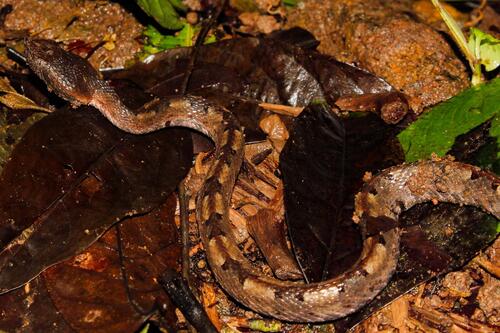 Rainforest Hognose ViperPorthidium nasutumVenomous
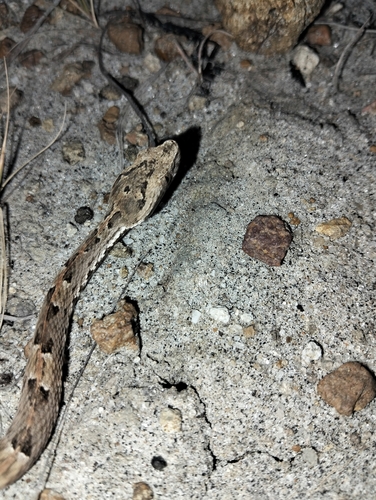 Lansberg's Hognose ViperPorthidium lansbergiiVenomous
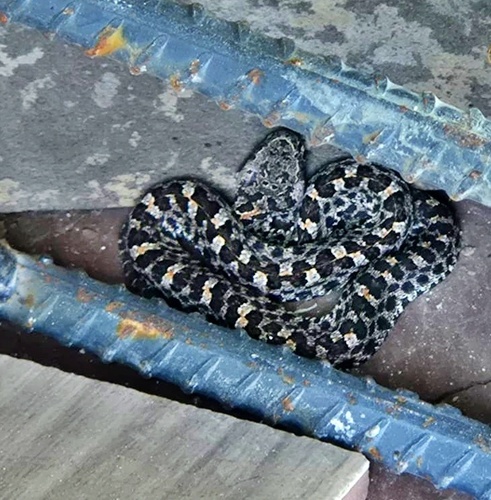 Slender Hognose ViperPorthidium ophryomegasVenomous
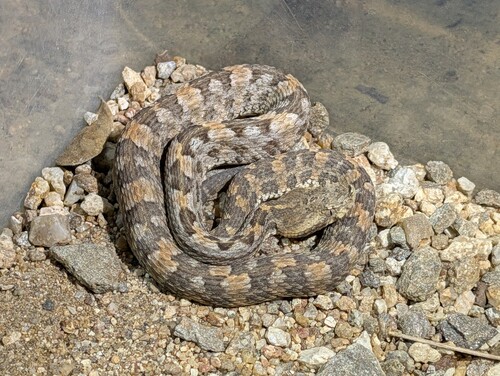 Dunn's Hognose ViperPorthidium dunniVenomous
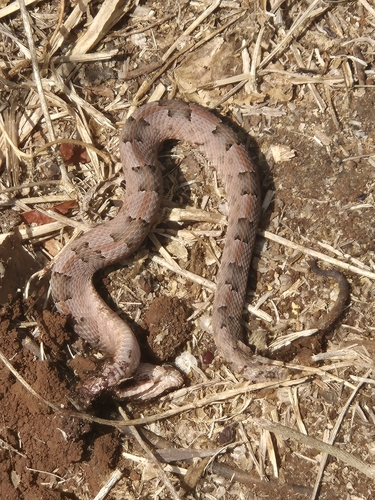 Yucatán Hognose ViperPorthidium yucatanicumVenomous
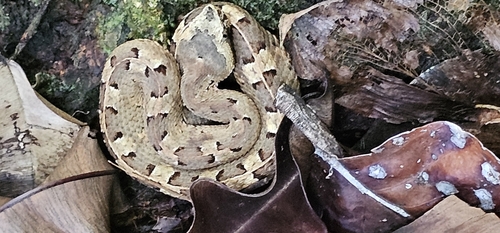 White-tailed Hognose ViperPorthidium porrasiVenomous
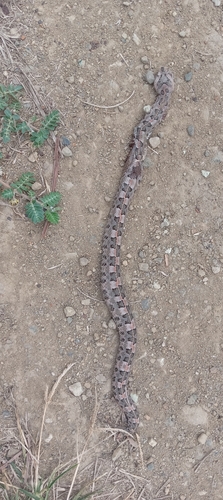 Manabí Hognose ViperPorthidium arcosaeVenomous
 Ujarran Hognose ViperPorthidium volcanicumVenomous
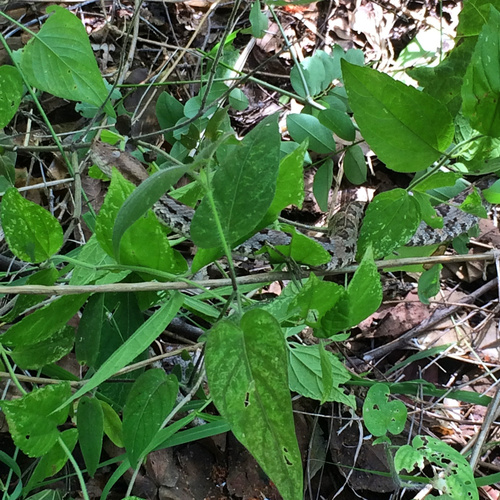 Western Hognose ViperPorthidium hespereVenomous
Keep learning
- Venomous vs Nonvenomous: How to Tell the DifferenceThe folk rules for telling venomous snakes apart, where each one fails, and why location-based identification beats guessing by sight.
- Are Snakes Dangerous? The Real Risk, in PerspectiveMost snakes are harmless and avoid people. Here is the honest picture of snakebite risk worldwide and how to lower your own.
- Snake Venom Explained: How It Works and WhyWhat snake venom actually is, why it evolved, the main venom types, fang delivery, how antivenom works, and why ranking the most venomous snake is hard.
- How Snakes Move, Hunt, and EatHow snakes move without legs, hunt as ambushers or active foragers, kill by constriction or venom, and swallow prey wider than their head.