
Genus · Colubridae
Plesiodipsas
The genus Plesiodipsas contains a single species. It is not considered dangerous to humans.
About snail-eating snakes
A tiny Central American genus of harmless, slug and snail eating colubrids.
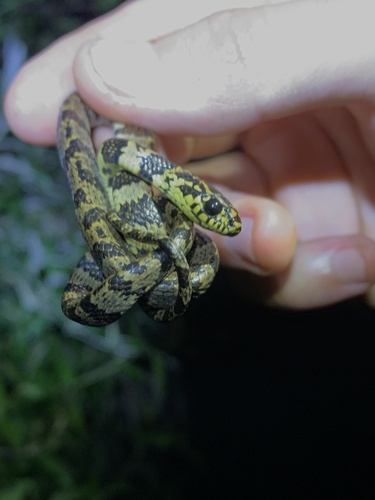
Plesiodipsas is a very small genus in the family Colubridae, the largest and most diverse snake family in the world. The genus is represented in our database by a single species, Aleman's Snail-eater (Plesiodipsas perijanensis). It belongs to the group of New World snakes known broadly as snail-eaters, slender nocturnal snakes specialized for feeding on soft-bodied prey. The genus sits among the goo-eating colubrids of the American tropics, close relatives of the better known Dipsas and Sibon snail-eaters, and it occupies the forests of the Perija mountains region along the border country of Colombia and Venezuela.
Members of this genus follow the general body plan of tropical snail-eating colubrids: small to medium in length, slender, with a relatively short blunt head and large eyes suited to a nocturnal, low-light life. These are forest snakes that tend to live in humid, vegetated habitats and are most active after dark. As snail-eaters, their diet centers on snails and slugs, which they extract or consume using the specialized jaw structure typical of this feeding guild. Because the genus is obscure and narrowly distributed, detailed natural history is limited, and the broad patterns described here come from the well documented biology of closely related snail-eating colubrids rather than species-specific records.
Plesiodipsas is harmless to people. These snakes are not venomous in any way dangerous to humans and pose no medical threat. Like most snakes, a wild individual may bite defensively if grabbed, but there is no venom of concern here. Snake handling is best left to professionals regardless of species, and if you encounter one in the wild the right move is to observe and leave it be. If any snakebite ever causes you concern, contact emergency services or US Poison Control at 1-800-222-1222.
Plesiodipsas belongs to the Colubridae family (Colubrids). The largest snake family, and the one most snakes you meet belong to. Typically round pupils, a head only slightly wider than the neck, and no heat-sensing facial pit or rattle. Scales may be smooth and glossy or keeled and matte depending on the species.
Danger: Almost all colubrids are harmless. A small number are rear-fanged with medically significant venom, the boomslang and the twig (vine) snakes of Africa being the dangerous exceptions. Most colubrids will flee or bluff rather than bite.
All species (1)
Keep learning
- What Is a Snake? Anatomy and the BasicsA clear overview of what makes a snake a snake: limbless body plan, anatomy, evolution from lizards, species diversity, and why they are ectothermic.
- How Snakes Move, Hunt, and EatHow snakes move without legs, hunt as ambushers or active foragers, kill by constriction or venom, and swallow prey wider than their head.
- What Do Snakes Eat?All snakes are carnivores. Learn what snakes eat, how diet changes with size and age, how often they feed, and how they hunt and swallow prey.
- Venomous vs Nonvenomous: How to Tell the DifferenceThe folk rules for telling venomous snakes apart, where each one fails, and why location-based identification beats guessing by sight.