
Genus · Colubridae
Palusophis
The genus Palusophis contains a single species. It is not considered dangerous to humans.
About South American marsh racers
Palusophis is a single-species South American colubrid, a slender wetland racer recently split out from the larger neotropical racer group.
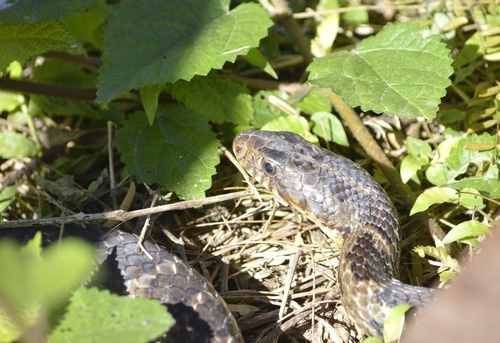
Palusophis is a genus in the family Colubridae, the largest snake family in the world, and it currently holds just one recognized species, the Rio tropical racer (Palusophis bifossatus). The genus was carved out of the older catch-all racer genera as researchers used genetic and anatomical evidence to break the sprawling neotropical racers into tighter, more accurate groups. In plain terms, this is one of the active South American snakes that older field guides would have filed under a broader "tropical racer" label before the name Palusophis came into use.
Members are found in South America, with the genus tied to lowland tropical settings. The name points toward marsh and wetland affinity, and like other neotropical racers these are typically active, ground-oriented, fast-moving snakes of warm, often damp or seasonally flooded habitat. As colubrids they are slim and long-bodied with large eyes and round pupils, built for daytime hunting and quick movement rather than ambush. The single recognized species is the practical reference point for what the genus looks like and where it lives, and the broader colubrid and neotropical-racer context fills in the rest.
On the safety question, Palusophis belongs to Colubridae, the family that includes most of the world's harmless and mildly venomous snakes rather than the front-fanged vipers, cobras, and their relatives. Many racers in this group are non-venomous or carry only weak rear-fanged venom that is not considered medically significant to people, and their main defenses are speed, escape, and a willingness to bite or musk when cornered. That said, do not handle wild snakes you cannot positively identify, since lookalikes exist and any bite can cause infection. If anyone is bitten and the snake's identity or condition is in doubt, stay calm, keep the limb still, and contact emergency services or US Poison Control at 1-800-222-1222 rather than attempting any field treatment. Like most racers, these snakes are active hunters that prey on small vertebrates and lay eggs, and they are far more valuable left in place doing pest control than handled or killed.
Palusophis belongs to the Colubridae family (Colubrids). The largest snake family, and the one most snakes you meet belong to. Typically round pupils, a head only slightly wider than the neck, and no heat-sensing facial pit or rattle. Scales may be smooth and glossy or keeled and matte depending on the species.
Danger: Almost all colubrids are harmless. A small number are rear-fanged with medically significant venom, the boomslang and the twig (vine) snakes of Africa being the dangerous exceptions. Most colubrids will flee or bluff rather than bite.
All species (1)
Keep learning
- What Is a Snake? Anatomy and the BasicsA clear overview of what makes a snake a snake: limbless body plan, anatomy, evolution from lizards, species diversity, and why they are ectothermic.
- How Snakes Move, Hunt, and EatHow snakes move without legs, hunt as ambushers or active foragers, kill by constriction or venom, and swallow prey wider than their head.
- What Do Snakes Eat?All snakes are carnivores. Learn what snakes eat, how diet changes with size and age, how often they feed, and how they hunt and swallow prey.
- Venomous vs Nonvenomous: How to Tell the DifferenceThe folk rules for telling venomous snakes apart, where each one fails, and why location-based identification beats guessing by sight.