
Genus · Colubridae
Oreocalamus
The genus Oreocalamus contains a single species. It is not considered dangerous to humans.
About Kalimantan burrowing snakes
A little-known Bornean burrowing snake genus with a single recognized species hidden in mountain forest soil.
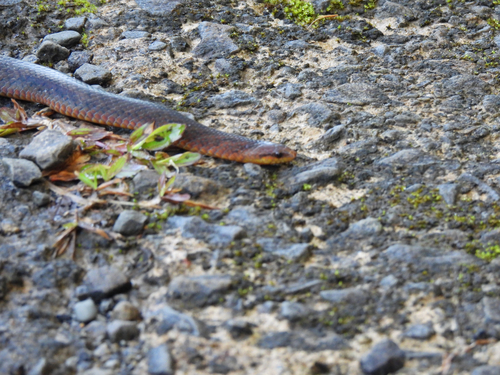
Oreocalamus is a small genus in the family Colubridae, the largest and most diverse snake family in the world. It holds a single recognized species, the Kalimantan burrowing snake (Oreocalamus hanitschi), which lives in the highland forests of Borneo. The genus name combines roots meaning mountain and reed, a nod to a slender snake associated with elevated, forested ground. Like most colubrids, these are non-front-fanged snakes that occupy a quiet ecological niche far from people.
Members of this genus are small, slim, secretive snakes built for life in and under leaf litter, soil, and forest debris. In general terms, burrowing and semi-fossorial colubrids of this type tend to have smooth scales, reduced or modest eyes, and a narrow head that is barely distinct from the neck, features that help them push through damp ground. They are encountered rarely, which is why detailed natural history for the genus remains limited. Recognizing one in the field is difficult, and identification of obscure Bornean colubrids is best confirmed by a herpetologist rather than guessed from a glance.
There is no evidence that Oreocalamus is dangerous to humans. It is a small, non-venomous colubrid with no medically significant venom, and it poses no threat in the ordinary sense. Even so, wild snakes are best left undisturbed and observed rather than handled. Diet, reproduction, and behavior for this genus are poorly documented, but small forest-floor colubrids of this kind typically feed on soft-bodied invertebrates or other small prey and lay eggs. If anyone is ever bitten by an unidentified snake and is uncertain what it was, treat it as a medical matter and contact emergency services or, in the United States, Poison Control at 1-800-222-1222.
Oreocalamus belongs to the Colubridae family (Colubrids). The largest snake family, and the one most snakes you meet belong to. Typically round pupils, a head only slightly wider than the neck, and no heat-sensing facial pit or rattle. Scales may be smooth and glossy or keeled and matte depending on the species.
Danger: Almost all colubrids are harmless. A small number are rear-fanged with medically significant venom, the boomslang and the twig (vine) snakes of Africa being the dangerous exceptions. Most colubrids will flee or bluff rather than bite.
All species (1)
Keep learning
- What Is a Snake? Anatomy and the BasicsA clear overview of what makes a snake a snake: limbless body plan, anatomy, evolution from lizards, species diversity, and why they are ectothermic.
- How Snakes Move, Hunt, and EatHow snakes move without legs, hunt as ambushers or active foragers, kill by constriction or venom, and swallow prey wider than their head.
- What Do Snakes Eat?All snakes are carnivores. Learn what snakes eat, how diet changes with size and age, how often they feed, and how they hunt and swallow prey.
- Venomous vs Nonvenomous: How to Tell the DifferenceThe folk rules for telling venomous snakes apart, where each one fails, and why location-based identification beats guessing by sight.