
Genus · Viperidae
Types of vipers
7 species make up the genus Montivipera, the snakes commonly called vipers. All of them are venomous.
About mountain vipers
Montivipera are the rugged mountain vipers of the Near East, true venomous snakes built for cold, rocky high country.
Montivipera is a genus of true vipers in the family Viperidae, the same lineage that includes Europe's adders and the Mediterranean horned vipers. The name means mountain viper, and it fits. These are stout, slow-moving ambush snakes adapted to the highlands and rocky slopes of the Near East, where many other snakes cannot persist. The genus was split out from the broader Old World viper group as researchers recognized that this mountain-dwelling cluster forms its own distinct branch.
The range centers on Turkey, the Caucasus, the Levant, and parts of Iran, reaching into the Zagros and Taurus mountain systems and the highlands of Armenia and Lebanon. Typical habitat is rocky hillsides, scree, alpine and subalpine meadows, and broken terrain at moderate to high elevation. Because these snakes are tied to cool mountain microclimates, many species occupy small, fragmented ranges, and several are of conservation concern from habitat loss and collection.
In general terms, Montivipera look like classic vipers: a thick body, a short tail, a triangular head distinct from the neck, vertical pupils, and keeled scales that give a rough texture. Most carry a zigzag or blotched dorsal pattern in browns and grays that blends into rock and dry vegetation. Field identification to species is difficult and depends heavily on region, because several members look broadly similar and ranges rarely overlap. The safe rule in their range is to treat any thick-bodied, triangular-headed snake as a viper and keep your distance.
Montivipera are venomous and should be considered dangerous to people. Like other true vipers they deliver venom through long, hinged front fangs, and a defensive bite is a genuine medical emergency. Do not attempt to handle, capture, photograph at close range, or kill a wild viper, since most bites happen when people try to interact with the snake. If a bite occurs, keep the person calm and still, remove rings and tight items, and get to professional emergency care immediately. In the United States contact Poison Control at 1-800-222-1222; elsewhere call your local emergency services. Do not rely on cutting, suction, tourniquets, or ice.
Ecologically these are patient ambush predators. They feed mainly on small mammals such as rodents, along with lizards and occasionally birds, striking from cover and tracking envenomed prey. Activity is shaped by the mountain climate, with snakes basking to warm up, sheltering under rocks during temperature extremes, and brumating through cold winters. Like many vipers of cooler climates they tend toward live birth, giving rise to fully formed young rather than laying eggs, which suits short high-elevation seasons. Left undisturbed they are not aggressive and rely on camouflage and stillness to avoid being seen.
Montivipera belongs to the Viperidae family (Vipers & pit vipers). Heavy-bodied venomous snakes with long, hinged, hollow fangs. Broad, triangular head distinct from a narrow neck, heavy body, and (usually) vertical, cat-like pupils. Pit vipers also have a heat-sensing pit; true vipers do not.
Danger: Every viper is venomous, and the family includes some of the world's most medically important snakes. Venom is typically hemotoxic, causing pain, swelling, tissue damage, and bleeding. Treat any viper bite as a medical emergency.
All species (7)
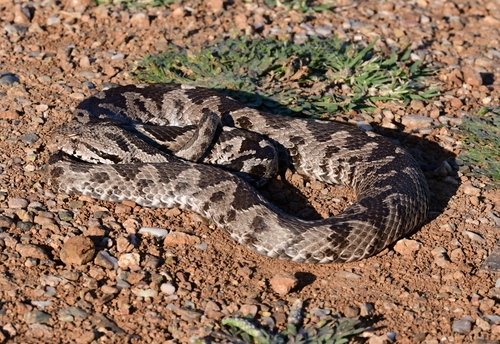 Ottoman ViperMontivipera xanthinaVenomous
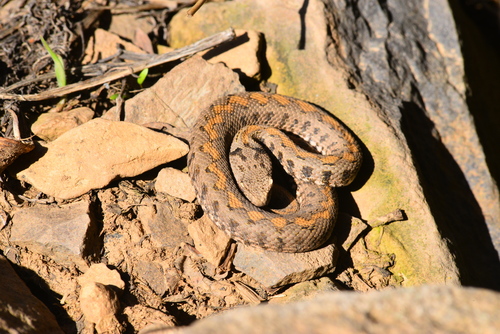 Armenian ViperMontivipera raddeiVenomous
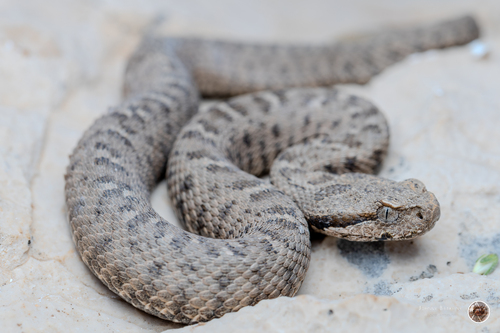 Lebanon ViperMontivipera bornmuelleriVenomous
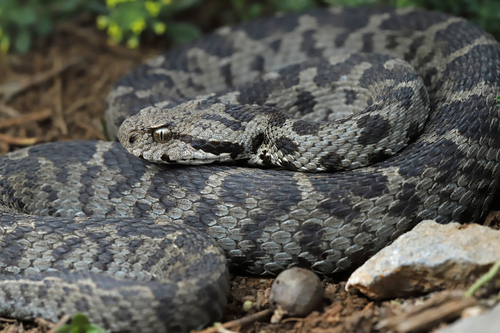 Mount Bulgar viperMontivipera bulgardaghicaVenomous
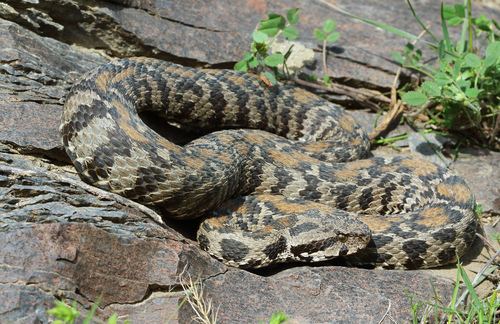 Wagner's ViperMontivipera wagneriVenomous
 Mountain ViperMontivipera albizonaVenomous
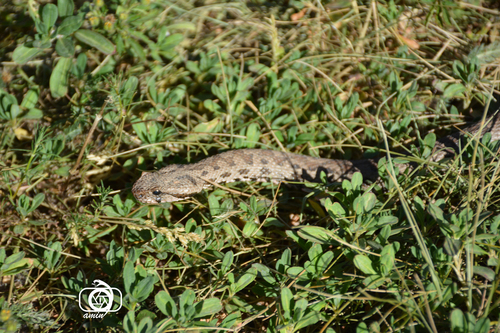 Latifi's ViperMontivipera latifiiVenomous
Keep learning
- Venomous vs Nonvenomous: How to Tell the DifferenceThe folk rules for telling venomous snakes apart, where each one fails, and why location-based identification beats guessing by sight.
- Are Snakes Dangerous? The Real Risk, in PerspectiveMost snakes are harmless and avoid people. Here is the honest picture of snakebite risk worldwide and how to lower your own.
- Snake Venom Explained: How It Works and WhyWhat snake venom actually is, why it evolved, the main venom types, fang delivery, how antivenom works, and why ranking the most venomous snake is hard.
- How Snakes Move, Hunt, and EatHow snakes move without legs, hunt as ambushers or active foragers, kill by constriction or venom, and swallow prey wider than their head.