
Genus · Viperidae
Types of pitvipers
3 species make up the genus Mixcoatlus, the snakes commonly called pitvipers. All of them are venomous.
About Mexican montane pitvipers
A small genus of secretive, high-elevation pitvipers found in the cloud forests and pine-oak highlands of southern Mexico.
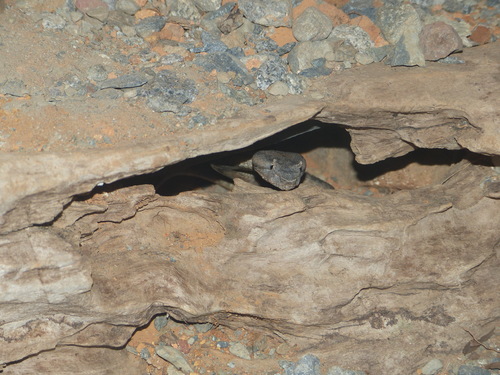
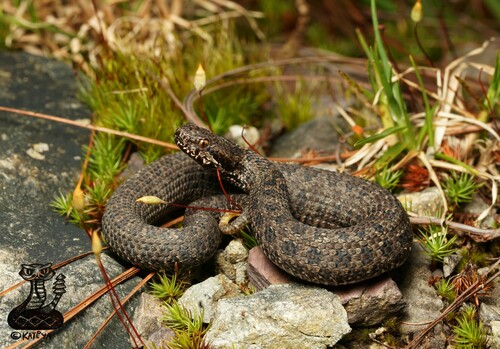
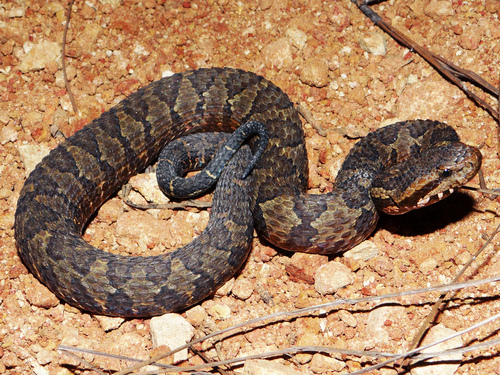
Mixcoatlus is a genus of pitvipers in the family Viperidae, the same family that includes rattlesnakes, copperheads, bushmasters, and the true vipers of the Old World. Members of the genus are sometimes called horned or montane pitvipers, and they are restricted to the mountains of southern Mexico, especially the states of Guerrero, Oaxaca, and Veracruz. The genus is small, with only three recognized species in our database, including the Black-tailed Horned Pitviper and Barbour's Montane Pit Viper.
As pitvipers, all members share the defining feature of the subfamily Crotalinae: a pair of heat-sensing facial pits, one on each side of the head between the eye and the nostril. These pits detect the body heat of warm-blooded prey and let the snake strike accurately even in darkness. Like other vipers, they have a broad, somewhat triangular head distinct from the neck, vertical pupils, and long hinged front fangs that fold back against the roof of the mouth when not in use. Some members carry raised scales above the eyes that give a horned appearance, a trait reflected in their common names.
These are snakes of cool, wet, high places. They live in montane cloud forest and pine-oak forest, often at elevations where mist and leaf litter are constant. They are generally small, ground-dwelling, and cryptic, spending much of their time hidden in leaf litter, under logs, or among rocks and roots. Because they are obscure and rarely encountered, far less is known about their daily lives than about more familiar vipers, and several populations are of conservation concern due to their narrow ranges and habitat loss.
Like most pitvipers, members of Mixcoatlus are ambush predators. They are believed to feed on small vertebrates and invertebrates available in their habitat, such as lizards, small rodents, frogs, and arthropods, taking prey by striking and envenomating it, then following and swallowing it whole. Many New World montane pitvipers give birth to live young rather than laying eggs, an adaptation suited to cold environments, though specific reproductive details for this genus are not well documented.
Members of Mixcoatlus are venomous. As true pitvipers they possess functional venom and fangs, and any bite from a wild venomous snake should be treated as a medical emergency. These snakes are not aggressive and tend to rely on camouflage and stillness rather than confrontation, but that is not a reason to handle or approach one. Do not attempt to catch, handle, or kill a wild venomous snake. If a bite occurs, keep the person calm and still, remove rings or tight items, and seek emergency medical care immediately. In the United States contact Poison Control at 1-800-222-1222 or call local emergency services; elsewhere contact your local emergency number.
Mixcoatlus belongs to the Viperidae family (Vipers & pit vipers). Heavy-bodied venomous snakes with long, hinged, hollow fangs. Broad, triangular head distinct from a narrow neck, heavy body, and (usually) vertical, cat-like pupils. Pit vipers also have a heat-sensing pit; true vipers do not.
Danger: Every viper is venomous, and the family includes some of the world's most medically important snakes. Venom is typically hemotoxic, causing pain, swelling, tissue damage, and bleeding. Treat any viper bite as a medical emergency.
All species (3)
Keep learning
- Venomous vs Nonvenomous: How to Tell the DifferenceThe folk rules for telling venomous snakes apart, where each one fails, and why location-based identification beats guessing by sight.
- Are Snakes Dangerous? The Real Risk, in PerspectiveMost snakes are harmless and avoid people. Here is the honest picture of snakebite risk worldwide and how to lower your own.
- Snake Venom Explained: How It Works and WhyWhat snake venom actually is, why it evolved, the main venom types, fang delivery, how antivenom works, and why ranking the most venomous snake is hard.
- How Snakes Move, Hunt, and EatHow snakes move without legs, hunt as ambushers or active foragers, kill by constriction or venom, and swallow prey wider than their head.