
Genus · Psammophiidae
Types of pencil snakes
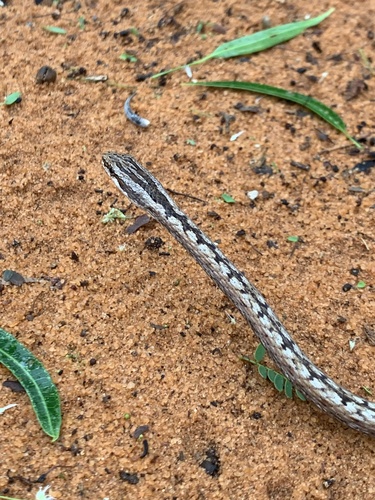
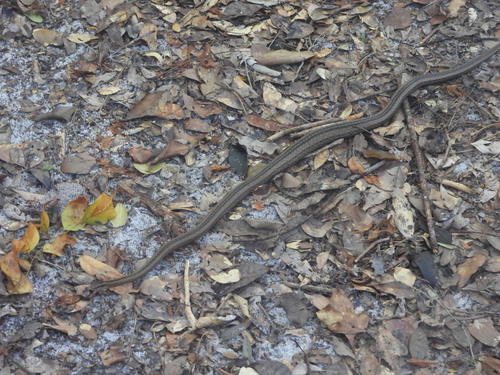
2 species make up the genus Mimophis, the snakes commonly called pencil snakes. None are considered dangerous to humans.
About Madagascar pencil snakes
Slender, fast-moving day-active snakes that are the only members of the sand snake family found on Madagascar.
Mimophis is a small genus in the family Psammophiidae, the group commonly known as sand snakes, whip snakes, and their relatives that is widespread across Africa and parts of Asia. What makes Mimophis distinctive is geography: it is the only psammophiid genus native to Madagascar, making it the island's representative of an otherwise mainland family. Our database holds two species, often called pencil snakes, including the northern pencil snake, a name that reflects their thin, pencil-like build.
These snakes are found across much of Madagascar, where they occupy a wide range of habitats from dry spiny forest and savanna to more humid and open country. Like other psammophiids, they are terrestrial and diurnal, meaning they are active by day, and they are alert, quick, and slender rather than heavy-bodied. In general terms you can recognize the group by a long thin body, a fairly long tail, large eyes suited to daytime hunting, and smooth scales, often in muted browns and grays with darker stripes or lines running along the body.
Members of Psammophiidae, including Mimophis, are rear-fanged and mildly venomous, using enlarged grooved teeth at the back of the jaw and a weak venom to subdue small prey such as lizards, small mammals, and other small animals. They are not considered dangerous to people, and members of this family are not known to cause serious envenomation in humans, but rear-fanged does not mean harmless, so a wild snake should be observed and left alone rather than handled. If anyone is bitten by a snake they cannot confidently identify and symptoms develop, treat it as a medical situation and contact emergency services or US Poison Control at 1-800-222-1222. Like most psammophiids, these snakes lay eggs.
Mimophis belongs to the Psammophiidae family (Sand & grass snakes). Fast, slender, day-active snakes of open country. Long, slim, and fast, with large eyes and a streamlined head, often striped lengthwise.
Danger: Rear-fanged and mildly venomous; bites can cause local swelling but are not considered dangerous to people.
All species (2)
Keep learning
- What Is a Snake? Anatomy and the BasicsA clear overview of what makes a snake a snake: limbless body plan, anatomy, evolution from lizards, species diversity, and why they are ectothermic.
- How Snakes Move, Hunt, and EatHow snakes move without legs, hunt as ambushers or active foragers, kill by constriction or venom, and swallow prey wider than their head.
- What Do Snakes Eat?All snakes are carnivores. Learn what snakes eat, how diet changes with size and age, how often they feed, and how they hunt and swallow prey.
- Venomous vs Nonvenomous: How to Tell the DifferenceThe folk rules for telling venomous snakes apart, where each one fails, and why location-based identification beats guessing by sight.