
Genus · Pseudoxyrhophiidae
Types of cat snakes
5 species make up the genus Madagascarophis, the snakes commonly called cat snakes. None are considered dangerous to humans.
About Madagascar cat snakes
Madagascar's nocturnal cat snakes, mildly venomous rear-fanged hunters found nowhere else on Earth.
Madagascarophis is a genus of snakes endemic to Madagascar, meaning every species lives only on that island and its small offshore islets. It belongs to the family Pseudoxyrhophiidae, a large radiation of mostly Madagascan and African snakes that diversified in isolation over millions of years. The common name cat snake comes from the vertical, slit-shaped pupils that members of this group typically show, an eye structure built for low light and shared with many other nocturnal snakes around the world.
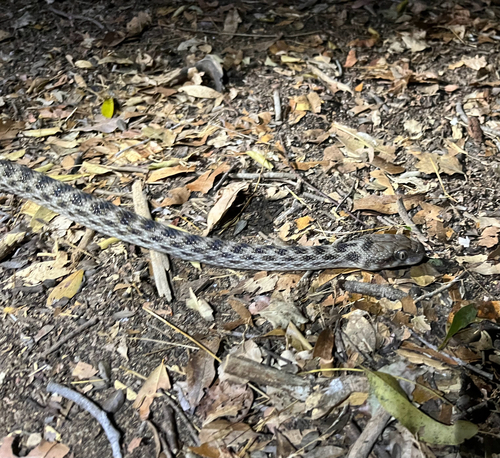
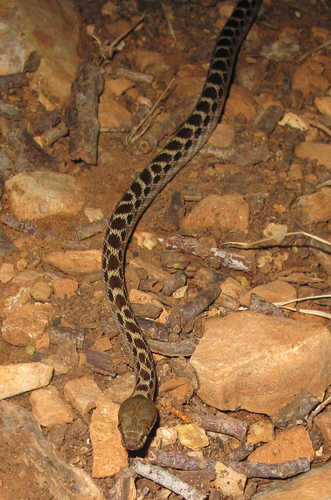
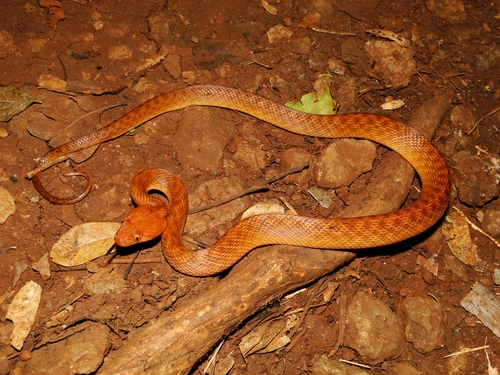
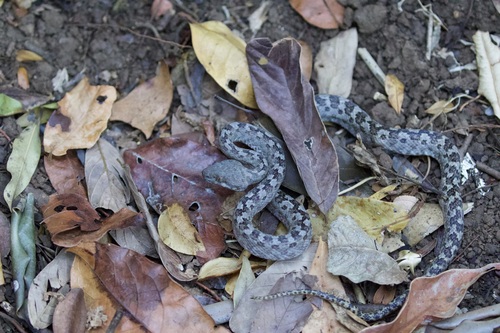
Members are medium-sized, slender to moderately built snakes, commonly under a meter in length though some individuals grow larger. They tend to show blotched, banded, or speckled patterns in browns, grays, and tans that blend into leaf litter, bark, and rocky ground. The vertical pupil is the most reliable field cue within the group. Because several Madagascan snakes look superficially alike, confident species identification usually needs locality and close examination rather than color alone, which is why we teach the genus at a general level here.
These are rear-fanged snakes, technically called opisthoglyphous, meaning they have enlarged grooved teeth set toward the back of the upper jaw and a mild venom delivered through chewing rather than a fast frontal strike. The venom is adapted for subduing small prey, and for healthy adult humans these snakes are generally considered of low medical concern. Low concern is not the same as harmless. Any bite can cause local reactions, individual responses vary, and wild snakes should not be handled. If a bite occurs, do not attempt home treatment; contact emergency services or US Poison Control at 1-800-222-1222 and seek medical care.
Ecologically, Madagascarophis are opportunistic, largely nocturnal predators. Across the genus they take a varied diet that can include frogs, lizards, small mammals, other snakes, and reptile eggs, reflecting flexible feeding typical of this family. They occupy a wide range of Madagascan habitats, from humid forests to drier scrub and rocky areas, and several are tolerant of disturbed and human-modified ground, which makes them among the snakes people encounter more often near settlements.
Like most pseudoxyrhophiids, these snakes reproduce by laying eggs rather than giving live birth. They are non-constricting and rely on their mild venom and grip to handle prey. Their abundance, broad diet, and tolerance of altered habitat make them an important part of Madagascar's reptile fauna and a frequent subject of study on how the island's snakes evolved in isolation.
Madagascarophis belongs to the Pseudoxyrhophiidae family (Malagasy snakes). A spectacular radiation of mostly harmless snakes centered on Madagascar. Highly variable; identification is usually by region and genus rather than a single family trait.
Danger: Considered harmless to humans. Some are mildly venomous (rear-fanged) but not medically significant.
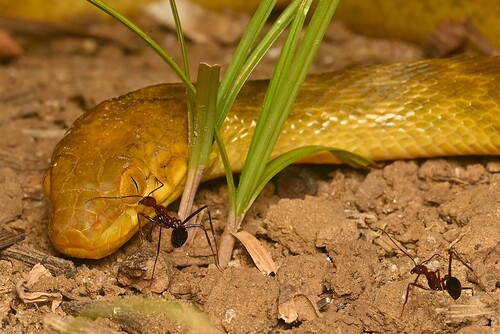
All species (5)
Keep learning
- What Is a Snake? Anatomy and the BasicsA clear overview of what makes a snake a snake: limbless body plan, anatomy, evolution from lizards, species diversity, and why they are ectothermic.
- How Snakes Move, Hunt, and EatHow snakes move without legs, hunt as ambushers or active foragers, kill by constriction or venom, and swallow prey wider than their head.
- What Do Snakes Eat?All snakes are carnivores. Learn what snakes eat, how diet changes with size and age, how often they feed, and how they hunt and swallow prey.
- Venomous vs Nonvenomous: How to Tell the DifferenceThe folk rules for telling venomous snakes apart, where each one fails, and why location-based identification beats guessing by sight.