
Genus · Pseudoxyrhophiidae
Types of tree snakes
7 species make up the genus Lycodryas, the snakes commonly called tree snakes. None are considered dangerous to humans.
About Madagascar tree snakes
Slender, big-eyed nocturnal tree snakes that belong to Madagascar's own endemic snake family.
Lycodryas is a genus of small to medium tree snakes in the family Pseudoxyrhophiidae, a group that is centered on Madagascar and nearby islands such as the Comoros. This family represents one of the great evolutionary radiations of snakes on Madagascar, where lineages that arrived long ago diversified into burrowers, ground hunters, and the slim arboreal forms seen here. Lycodryas is firmly part of that arboreal, mostly nocturnal branch.
Members live in forests and wooded habitats and are built for climbing. The typical body plan is long and laterally compressed, with a distinct head, a slim neck, and large eyes with vertical pupils, all classic signs of a night-active climber that relies on vision in low light. Color and pattern vary by species and can include banded, spotted, or fairly plain forms, so pattern alone is not a reliable way to tell species apart in the field.
These snakes are rear-fanged. They carry enlarged grooved teeth at the back of the upper jaw and a mild venom used to subdue small prey, delivered by chewing rather than by a forward strike. For people, Lycodryas is not considered dangerous and there is no record of these snakes causing serious harm to humans. Even so, the honest rule for any wild rear-fanged snake is to leave it alone and not handle it, since prolonged bites can still cause local irritation in sensitive individuals and field identification is rarely certain. If anyone is bitten and develops a reaction, seek emergency care or contact US Poison Control at 1-800-222-1222 or your local emergency services.
Ecologically these are ambush and active foragers of the forest canopy and understory. Like related Madagascan tree snakes, they feed largely on small vertebrates such as lizards, including geckos and chameleons, along with frogs and the occasional small mammal or bird, with diet shifting by species and body size. They are generally calm, slow-moving by day, and most active after dark.
Reproduction across the genus is egg-laying, in keeping with the broader pattern in the family. Our database includes 7 species of Lycodryas. Because several are restricted to small forest ranges and remain poorly studied, the safest approach is to treat them as harmless but protected wildlife, observe without handling, and rely on accurate regional context rather than assuming details that vary from one species to the next.
Lycodryas belongs to the Pseudoxyrhophiidae family (Malagasy snakes). A spectacular radiation of mostly harmless snakes centered on Madagascar. Highly variable; identification is usually by region and genus rather than a single family trait.
Danger: Considered harmless to humans. Some are mildly venomous (rear-fanged) but not medically significant.
All species (7)
 Spotted Tree SnakeLycodryas maculatusHarmless
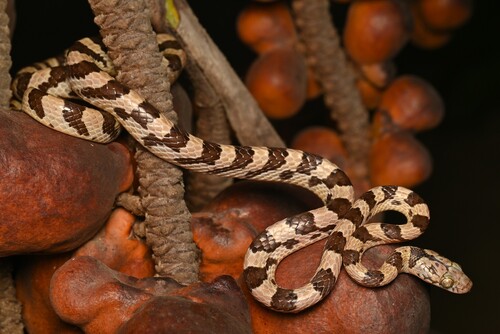 Ampijoroa Tree SnakeLycodryas pseudogranulicepsHarmless
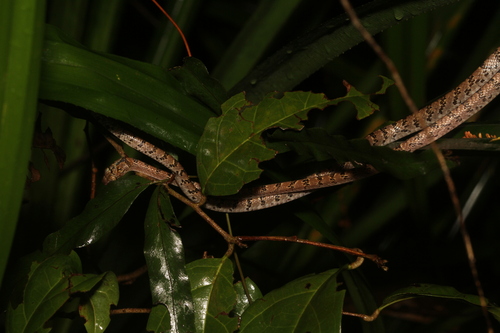 Nosy Bé Tree SnakeLycodryas granulicepsHarmless
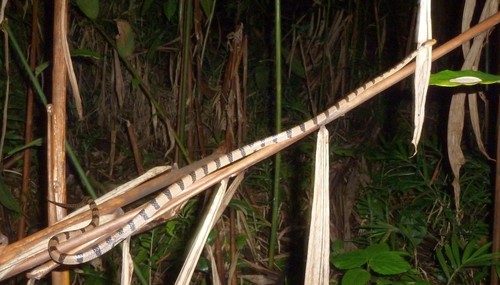 Northeastern Tree SnakeLycodryas gaimardiHarmless
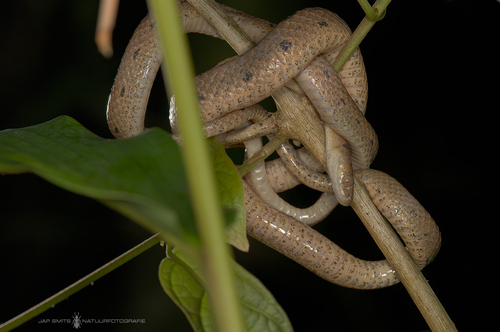 Antsiranana Tree SnakeLycodryas inopinaeHarmless
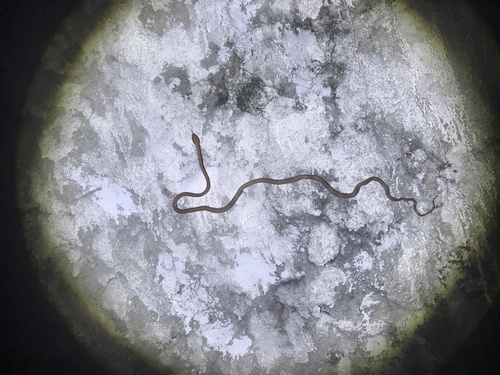 Western Comoran Tree SnakeLycodryas cococolaHarmless
 Yellow-and-black Tree SnakeLycodryas citrinusHarmless
Keep learning
- What Is a Snake? Anatomy and the BasicsA clear overview of what makes a snake a snake: limbless body plan, anatomy, evolution from lizards, species diversity, and why they are ectothermic.
- How Snakes Move, Hunt, and EatHow snakes move without legs, hunt as ambushers or active foragers, kill by constriction or venom, and swallow prey wider than their head.
- What Do Snakes Eat?All snakes are carnivores. Learn what snakes eat, how diet changes with size and age, how often they feed, and how they hunt and swallow prey.
- Venomous vs Nonvenomous: How to Tell the DifferenceThe folk rules for telling venomous snakes apart, where each one fails, and why location-based identification beats guessing by sight.