
Genus · Pseudoxyrhophiidae
Types of smooth snakes
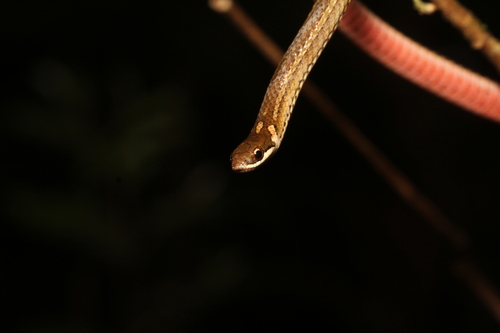
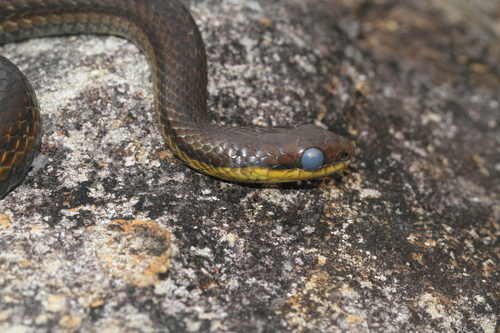
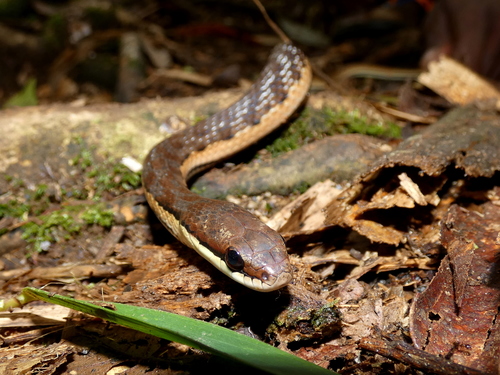
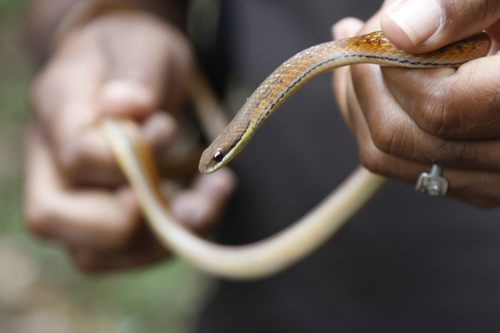
4 species make up the genus Liopholidophis, the snakes commonly called smooth snakes. None are considered dangerous to humans.
About Madagascar smooth and water snakes
A small group of slender Madagascar snakes that hunt frogs in rainforest streams and leaf litter.
Liopholidophis is a genus of snakes endemic to Madagascar, meaning it is found nowhere else on Earth. It belongs to the family Pseudoxyrhophiidae, the large group of rear-fanged snakes that makes up the great majority of Madagascar's snake life. These are not true vipers or cobras, and they are not closely related to the snakes most people know from North America or Europe. They are part of a separate radiation that diversified on the island over millions of years.
Members of this genus are generally small to medium in size, slim, and smooth-scaled, which is the source of names like smooth snake. Several species are tied closely to water, hence names like water snake, and are found near streams, marshes, and the wet floor of rainforest. Coloration is usually plain to lightly patterned, often with darker stripes or lines down the body, as reflected in names such as Six-lined Water Snake. They are easy to confuse with other slender Madagascar snakes, so identification by sight alone in the field is unreliable.
These snakes are rear-fanged, meaning any mild venom they produce is delivered by enlarged teeth set toward the back of the upper jaw rather than by hollow front fangs. Pseudoxyrhophiids of this kind are not considered dangerous to people and there is no record of them causing serious harm to humans. That said, a wild snake should never be handled. Picking up any wild snake risks bites, stress to the animal, and misidentification, and the responsible approach is to observe from a distance and leave it alone. If a person is bitten by an unknown snake and develops worrying symptoms, seek emergency care and contact US Poison Control at 1-800-222-1222 or local emergency services.
Ecologically, these are largely ground and streamside hunters. Diet across the genus and close relatives centers on amphibians, especially frogs, along with other small prey they can subdue. Like nearly all pseudoxyrhophiid snakes, they are egg layers rather than live bearers. Activity tends to follow Madagascar's wet conditions, with many species most active in humid forest habitats where frogs are abundant.
Because several Liopholidophis species are poorly studied and restricted to specific forest regions, detailed life history for individual species is limited, and some are of conservation concern as Madagascar's forests shrink. For most people, the practical takeaway is simple. These are harmless to humans in any real sense, but they are wild animals that should be watched and not touched.
Liopholidophis belongs to the Pseudoxyrhophiidae family (Malagasy snakes). A spectacular radiation of mostly harmless snakes centered on Madagascar. Highly variable; identification is usually by region and genus rather than a single family trait.
Danger: Considered harmless to humans. Some are mildly venomous (rear-fanged) but not medically significant.
All species (4)
Keep learning
- What Is a Snake? Anatomy and the BasicsA clear overview of what makes a snake a snake: limbless body plan, anatomy, evolution from lizards, species diversity, and why they are ectothermic.
- How Snakes Move, Hunt, and EatHow snakes move without legs, hunt as ambushers or active foragers, kill by constriction or venom, and swallow prey wider than their head.
- What Do Snakes Eat?All snakes are carnivores. Learn what snakes eat, how diet changes with size and age, how often they feed, and how they hunt and swallow prey.
- Venomous vs Nonvenomous: How to Tell the DifferenceThe folk rules for telling venomous snakes apart, where each one fails, and why location-based identification beats guessing by sight.