
Genus · Colubridae
Types of racers
3 species make up the genus Incaspis, the snakes commonly called racers. None are considered dangerous to humans.
About Andean racers
Incaspis is a small group of slender, fast-moving South American racers in the colubrid family.
Incaspis is a genus in the family Colubridae, the largest and most diverse snake family in the world. Colubrids account for the majority of snake species, and they are best understood as the broad catch-all of slender, agile, mostly harmless snakes that do not belong to the cobra, viper, or boa lineages. Incaspis is one of many such colubrid genera, set apart by anatomical and genetic features that herpetologists use to define it. Our database holds 3 species in this group, including Schmidt's Green Racer and Simon's Racer.
The genus is associated with western South America and the Andean region, where many small colubrids occupy mountain slopes, valleys, scrubland, and the edges of forest. Snakes like these tend to favor habitats with good ground cover, sun for warming, and prey to hunt. Members of small, regionally restricted genera like Incaspis are often poorly studied compared to common backyard snakes, so the most honest picture comes from the patterns shared across their colubrid relatives and their part of the world rather than from detailed records on each species.
In general terms, the racers and similar colubrids in this part of the family are recognized by a slim build, smooth or lightly keeled scales, large eyes with round pupils, and a long tapering tail. The name racer points to the active, alert, day-hunting lifestyle these snakes lead. Color varies by species, and the common names in this genus, such as the green racer, reflect the kinds of ground and vegetation tones that help these snakes stay hidden while they move.
On safety: the great majority of colubrids are harmless to people, and many that do produce mild venom are rear-fanged, meaning any venom-delivering teeth sit at the back of the mouth and are used to subdue small prey, not as a defense against humans. The specific venom status of Incaspis is not well documented, so the responsible approach is to treat any wild snake as something to observe and not to handle. Do not pick up a wild snake to test whether it is dangerous. If a bite happens or you are unsure about a snake, contact emergency services, or in the United States call Poison Control at 1-800-222-1222.
Ecologically, small Andean and South American colubrids of this type typically feed on prey they can overpower, such as lizards, frogs, small rodents, and sometimes the eggs or young of other animals, with diet shifting by species and size. Like most colubrids in their region, they are expected to reproduce by laying eggs, and they spend their active hours hunting and basking before retreating to cover. They are a working part of their ecosystem, helping control populations of the small animals they eat.
Incaspis belongs to the Colubridae family (Colubrids). The largest snake family, and the one most snakes you meet belong to. Typically round pupils, a head only slightly wider than the neck, and no heat-sensing facial pit or rattle. Scales may be smooth and glossy or keeled and matte depending on the species.
Danger: Almost all colubrids are harmless. A small number are rear-fanged with medically significant venom, the boomslang and the twig (vine) snakes of Africa being the dangerous exceptions. Most colubrids will flee or bluff rather than bite.
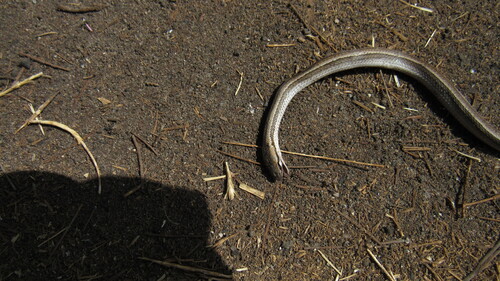
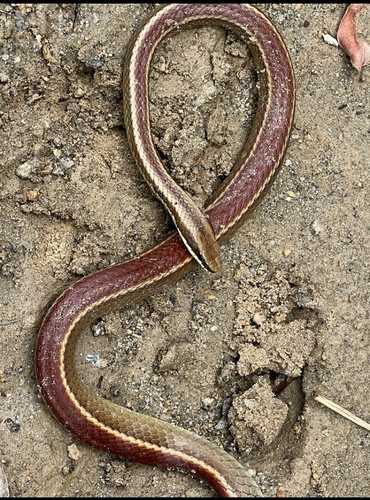
All species (3)
Keep learning
- What Is a Snake? Anatomy and the BasicsA clear overview of what makes a snake a snake: limbless body plan, anatomy, evolution from lizards, species diversity, and why they are ectothermic.
- How Snakes Move, Hunt, and EatHow snakes move without legs, hunt as ambushers or active foragers, kill by constriction or venom, and swallow prey wider than their head.
- What Do Snakes Eat?All snakes are carnivores. Learn what snakes eat, how diet changes with size and age, how often they feed, and how they hunt and swallow prey.
- Venomous vs Nonvenomous: How to Tell the DifferenceThe folk rules for telling venomous snakes apart, where each one fails, and why location-based identification beats guessing by sight.