
Genus · Colubridae
Types of keelbacks
4 species make up the genus Herpetoreas, the snakes commonly called keelbacks. None are considered dangerous to humans.
About Asian keelbacks
A small genus of slender, stream-loving keelbacks from the mountains and foothills of South and Southeast Asia.
Herpetoreas is a genus in the family Colubridae, the largest and most varied snake family on Earth. Colubrids account for the majority of the world's snakes and are mostly non-venomous or only mildly venomous to people. Within that family, Herpetoreas belongs to the broad group of natricine snakes commonly called keelbacks, named for the raised ridge, or keel, that runs along each dorsal scale and gives many of these snakes a slightly rough, matte texture rather than a glossy one. The genus is small, with only a few recognized species, and its members have at times been shuffled between related keelback genera as herpetologists have refined the group.
These are snakes of the Himalayan and Indo-Burmese region. Their range centers on the foothills and mid-elevation slopes of the Himalayas and adjacent highlands, taking in parts of northern India, Nepal, Bhutan, and nearby areas of South and Southeast Asia. Typical habitat is moist, cool, and often forested: stream banks, damp leaf litter, hill grassland, and the edges of montane wetlands. Like many keelbacks, they stay close to water and humidity and are most active in the warmer, wetter parts of the year.
In general terms, members of Herpetoreas are slender, medium-sized snakes with the keeled scales typical of keelbacks, a distinct head, and fairly large eyes suited to active, daytime foraging. Color and pattern vary by species and can include olive, brown, or grayish ground tones with darker markings or pale lateral lines. Because several keelback genera look broadly similar and identification rests on fine scale counts and locality, telling Herpetoreas apart from its relatives in the field is genuinely difficult and best left to regional keys and experts.
On safety: Herpetoreas snakes are not front-fanged venomous snakes and are not considered dangerous to humans. Like many colubrids they may be technically rear-fanged or carry mild oral secretions, but they are not regarded as a medical threat, and there is no evidence they cause serious envenomation in people. That said, no wild snake should be handled. Identification mistakes are easy in regions where harmless keelbacks share habitat with genuinely dangerous species, so the safe practice is to observe from a distance and not pick up any wild snake. If anyone is bitten and the snake's identity is uncertain, or symptoms develop, treat it as a medical situation and contact emergency services or, in the United States, Poison Control at 1-800-222-1222.
Ecologically, these keelbacks fit the natricine pattern. They are active hunters of small, moist-skinned prey, with diets that typically include frogs, tadpoles, and other small aquatic or semi-aquatic animals taken near water. As with most colubrids in this group, they are believed to be egg-layers. They are generally shy and non-aggressive, relying on quick escape into water or cover rather than confrontation when disturbed. Notable members in our database include the Himalayan Keelback, Wall's Keelback, and the Sikkim Keelback, names that reflect the genus's strong tie to the Himalayan region.
Herpetoreas belongs to the Colubridae family (Colubrids). The largest snake family, and the one most snakes you meet belong to. Typically round pupils, a head only slightly wider than the neck, and no heat-sensing facial pit or rattle. Scales may be smooth and glossy or keeled and matte depending on the species.
Danger: Almost all colubrids are harmless. A small number are rear-fanged with medically significant venom, the boomslang and the twig (vine) snakes of Africa being the dangerous exceptions. Most colubrids will flee or bluff rather than bite.
All species (4)
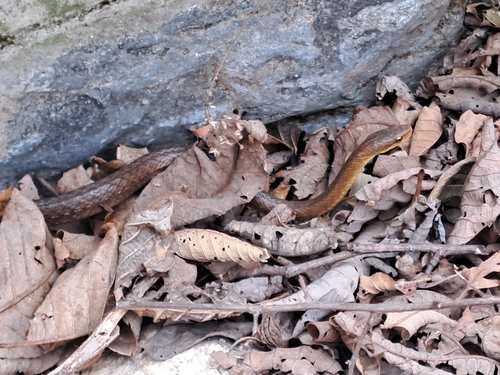
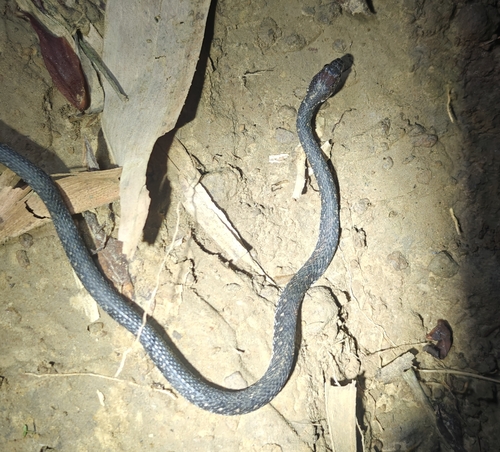

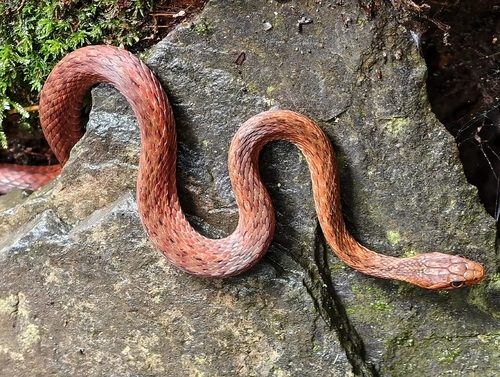
Keep learning
- What Is a Snake? Anatomy and the BasicsA clear overview of what makes a snake a snake: limbless body plan, anatomy, evolution from lizards, species diversity, and why they are ectothermic.
- How Snakes Move, Hunt, and EatHow snakes move without legs, hunt as ambushers or active foragers, kill by constriction or venom, and swallow prey wider than their head.
- What Do Snakes Eat?All snakes are carnivores. Learn what snakes eat, how diet changes with size and age, how often they feed, and how they hunt and swallow prey.
- Venomous vs Nonvenomous: How to Tell the DifferenceThe folk rules for telling venomous snakes apart, where each one fails, and why location-based identification beats guessing by sight.