
Genus · Elapidae
Types of marsh snakes
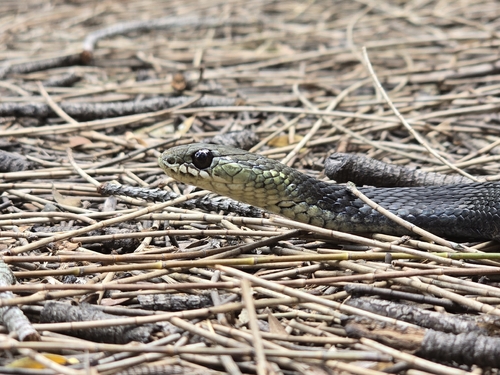
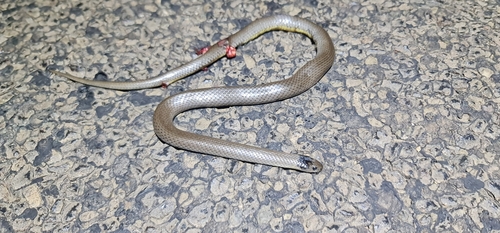
2 species make up the genus Hemiaspis, the snakes commonly called marsh snakes. All of them are venomous.
About Australian swamp and grey snakes
Two small, secretive Australian elapids that hunt frogs and skinks in damp grasslands and wetland margins.
Hemiaspis is a small genus of Australian snakes in the family Elapidae, the same front-fanged family that includes cobras, taipans, and sea snakes. The genus holds just two recognized species, the Marsh Snake (Hemiaspis signata) and the Grey Snake (Hemiaspis damelii). Both are modest, slender snakes of eastern Australia, and like all elapids they carry fixed front fangs and produce venom. They are far less famous than their large relatives, but they fill the role of small ground predators in wet, low-lying habitats.
As the common names suggest, these snakes favor moist environments. They are typically found in marshes, swamp edges, damp grasslands, floodplains, and the vegetated margins of creeks and wetlands across eastern Australia. They are generally small and dark to grey or olive in color, often with paler facial markings in the Marsh Snake, which can show fine light lines along the side of the head. They are usually active by day or in mild conditions, shelter under debris, logs, and ground cover, and feed mainly on frogs and small lizards such as skinks. Reproduction in the genus is live-bearing, which is common among Australian elapids.
Both Hemiaspis species are venomous, as is true of all elapids, and a wild snake should never be handled. These are small snakes and are not considered among Australia's deadly species, but any bite from a venomous snake can cause local pain and reaction, and individual responses vary. Do not rely on size or reputation to judge risk. If anyone is bitten, treat it as a medical emergency, keep the person calm and still, and seek professional care immediately by calling local emergency services. In the United States, Poison Control is reachable at 1-800-222-1222. The right response to any of these snakes in the wild is to leave it alone and give it space.
Hemiaspis belongs to the Elapidae family (Cobras, mambas, coral & sea snakes). Front-fanged venomous snakes, many with potent neurotoxic venom. Usually slender with a head barely wider than the neck and fixed front fangs (not the folding fangs of vipers). Coral snakes are boldly ringed; sea snakes have a flattened, paddle-like tail.
Danger: All elapids are venomous and the family is responsible for a large share of fatal snakebites worldwide. Many are shy, but bites can be life-threatening. Treat any bite as a medical emergency.
All species (2)
Keep learning
- Venomous vs Nonvenomous: How to Tell the DifferenceThe folk rules for telling venomous snakes apart, where each one fails, and why location-based identification beats guessing by sight.
- Are Snakes Dangerous? The Real Risk, in PerspectiveMost snakes are harmless and avoid people. Here is the honest picture of snakebite risk worldwide and how to lower your own.
- Snake Venom Explained: How It Works and WhyWhat snake venom actually is, why it evolved, the main venom types, fang delivery, how antivenom works, and why ranking the most venomous snake is hard.
- How Snakes Move, Hunt, and EatHow snakes move without legs, hunt as ambushers or active foragers, kill by constriction or venom, and swallow prey wider than their head.