
Genus · Elapidae
Types of crowned snakes
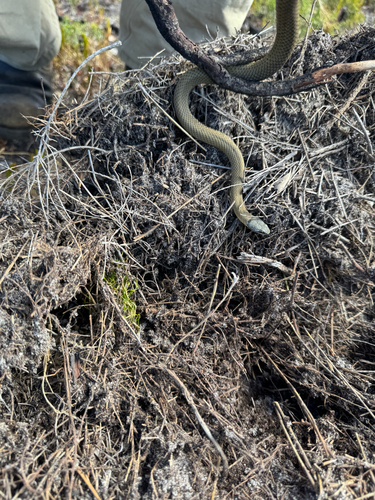
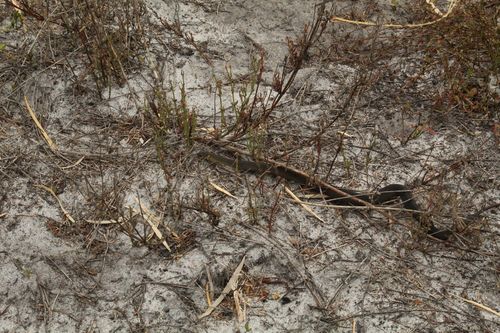
2 species make up the genus Elapognathus, the snakes commonly called crowned snakes. All of them are venomous.
About crowned snakes
Small, secretive Australian elapids of the cool, wet southwest, venomous in the technical sense but of little concern to people.
Elapognathus is a small genus in the family Elapidae, the front-fanged venomous snakes that also includes cobras, mambas, taipans, sea snakes, and the many small terrestrial elapids of Australia. The genus holds just two recognized species: the Crowned Snake (Elapognathus coronatus) and the Short-nosed Snake (Elapognathus minor). Both are endemic to the southwest corner of Western Australia, a temperate, high-rainfall region that supports a distinct community of small, ground-dwelling elapids found nowhere else. Within the broad Australian elapid radiation, Elapognathus sits among the modest-sized, secretive species rather than the large, medically significant snakes the family is famous for.
These are small, slender snakes, typically well under a meter in length, with smooth scales and the fixed front fangs that define the family. Recognition in the field is difficult for non-specialists because southwest Australia hosts several superficially similar small elapids, and reliable identification rests on scale counts and locality rather than color alone. They favor cool, damp habitats such as heath, swamp margins, dense coastal scrub, and forest leaf litter, where they shelter under logs, rocks, and ground debris and hunt in cover. Like many small elapids, they feed largely on small vertebrates such as frogs and lizards.
As true elapids, both species are venomous, so they should never be handled. That said, they are small, secretive, and not regarded as dangerous to people; bites are rare and the genus poses minimal risk under normal circumstances. Treat any wild snake as venomous and leave it undisturbed. In Australia, follow standard snakebite first aid and call 000 for emergencies; in the United States, contact Poison Control at 1-800-222-1222 or local emergency services. Do not attempt to capture or identify a snake by handling it. Reproductive details for these uncommon species are not well documented in general references, so the safest framing is to defer to regional herpetological authorities for specifics rather than assume.
Elapognathus belongs to the Elapidae family (Cobras, mambas, coral & sea snakes). Front-fanged venomous snakes, many with potent neurotoxic venom. Usually slender with a head barely wider than the neck and fixed front fangs (not the folding fangs of vipers). Coral snakes are boldly ringed; sea snakes have a flattened, paddle-like tail.
Danger: All elapids are venomous and the family is responsible for a large share of fatal snakebites worldwide. Many are shy, but bites can be life-threatening. Treat any bite as a medical emergency.
All species (2)
Keep learning
- Venomous vs Nonvenomous: How to Tell the DifferenceThe folk rules for telling venomous snakes apart, where each one fails, and why location-based identification beats guessing by sight.
- Are Snakes Dangerous? The Real Risk, in PerspectiveMost snakes are harmless and avoid people. Here is the honest picture of snakebite risk worldwide and how to lower your own.
- Snake Venom Explained: How It Works and WhyWhat snake venom actually is, why it evolved, the main venom types, fang delivery, how antivenom works, and why ranking the most venomous snake is hard.
- How Snakes Move, Hunt, and EatHow snakes move without legs, hunt as ambushers or active foragers, kill by constriction or venom, and swallow prey wider than their head.