
Genus · Cylindrophiidae
Types of pipe snakes
10+ species make up the genus Cylindrophis, the snakes commonly called pipe snakes. None are considered dangerous to humans.
About Asian pipe snakes
Cylindrophis are stout, cylinder-bodied burrowing snakes of Southeast Asia that flip their tails to bluff predators.
Cylindrophis is the only living genus in the family Cylindrophiidae, the Asian pipe snakes. These are non-venomous, primitive snakes that spend most of their lives underground or under leaf litter. The name pipe snake comes from the body shape: a nearly uniform diameter from head to tail, like a length of pipe, with a short blunt tail that does not taper to a fine point the way most snakes do.
The genus is centered on Southeast Asia and adjacent regions. Members occur across mainland and island Southeast Asia, including Indonesia, Malaysia, and nearby areas, with the Red Cylinder Snake (Cylindrophis ruffus) ranging widely through this zone and the Ceylonese Cylinder Snake (Cylindrophis maculatus) restricted to Sri Lanka. Typical habitat is moist lowland ground: marshes, rice paddies, gardens, forest floor, and the soft soil and mud where they can burrow. They are fossorial and semi-aquatic, often found after heavy rain.
Recognizing a Cylindrophis is mostly about body form. Look for a thick, rounded, cylinder-like body, smooth glossy scales, small eyes, and a head barely distinct from the neck, all suited to pushing through soil. Many species carry dark bodies marked with pale bands or blotches, and the underside of the tail is often boldly colored. When threatened the snake hides its head and raises its flattened tail to mimic a head, a defensive bluff that gives the family its reputation. Color and pattern vary by species, so the build and the tail display are the reliable family-level cues, not any single marking.
These snakes are harmless to people. They are non-venomous, not rear-fanged, and have small mouths built for swallowing soft prey rather than biting in defense; their main response to a threat is the tail-mimicry display, not striking. Even so, no wild snake should be picked up casually, since misidentification is the real risk: a person who is not certain what they are looking at can mistake one species for another. If anyone is bitten by a snake they cannot confidently identify, treat it as a medical situation, keep calm and still, and contact emergency services or US Poison Control at 1-800-222-1222 rather than attempting any field treatment.
Ecologically, Cylindrophis are specialized hunters of other elongate animals. They feed largely on eels, other snakes, and similar long-bodied prey that they find in soil and water, seizing and swallowing them whole. Reproduction is ovoviviparous in the well-studied species, meaning the female retains the eggs internally and gives birth to live young rather than laying a clutch. Behaviorally they are secretive and slow-moving above ground, relying on burrowing, hiding, and the tail bluff for defense rather than speed or venom.
Cylindrophis belongs to the Cylindrophiidae family (Asian pipe snakes). Cylindrical burrowers that flash a warning with the tail. Cylindrical body of nearly even width, glossy bands, and a short blunt tail used in display.
Danger: Harmless.
All species (12)
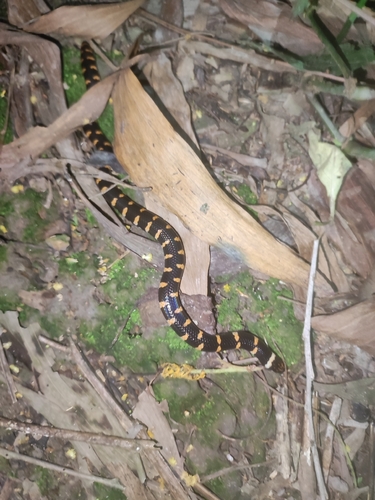 Jodi's pipe snakeCylindrophis jodiaeHarmless
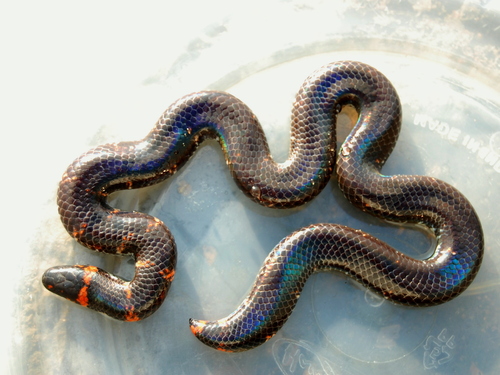 Red Cylinder SnakeCylindrophis ruffusHarmless
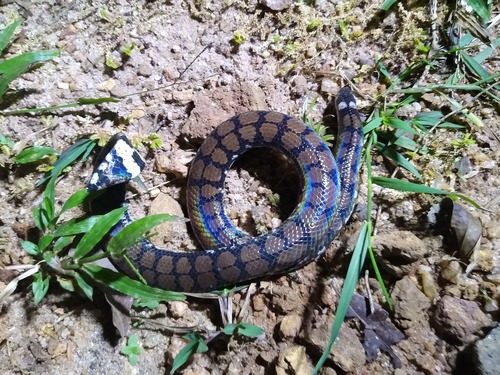 Ceylonese Cylinder SnakeCylindrophis maculatusHarmless
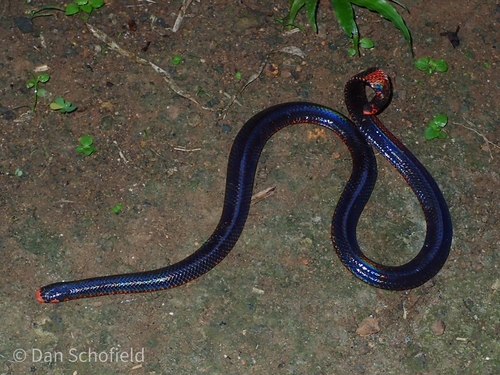 Black Pipe SnakeCylindrophis melanotusHarmless
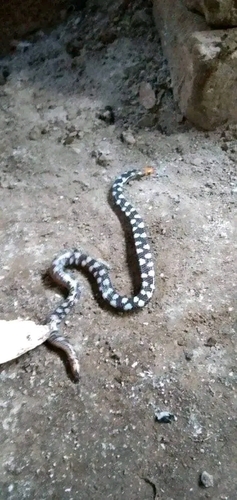 Island Pipe SnakeCylindrophis opisthorhodusHarmless
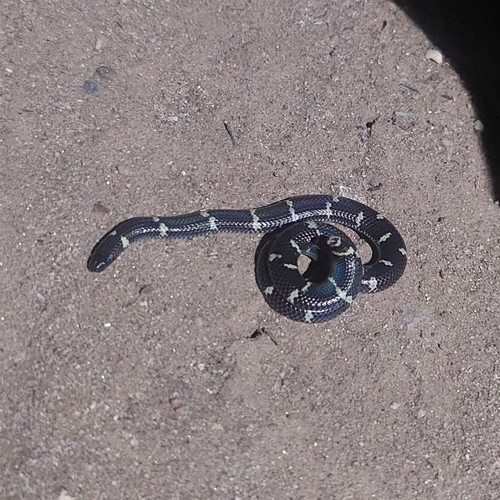 Burmese pipe snakeCylindrophis burmanusHarmless
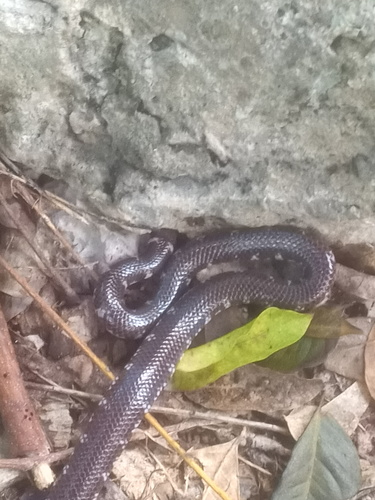 Boulenger's Pipe SnakeCylindrophis boulengeriHarmless
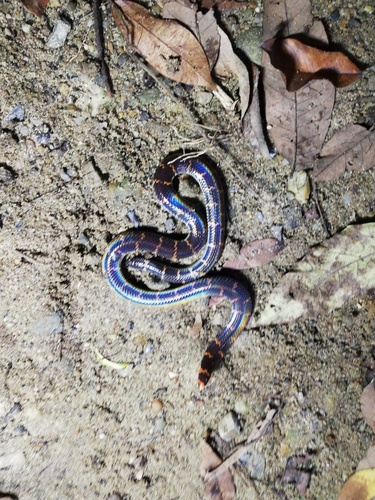 Slowinski's pipe snakeCylindrophis slowinskiiHarmless
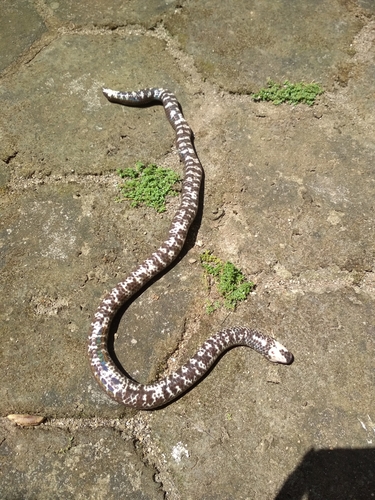 Cylindrophis subocularisHarmless
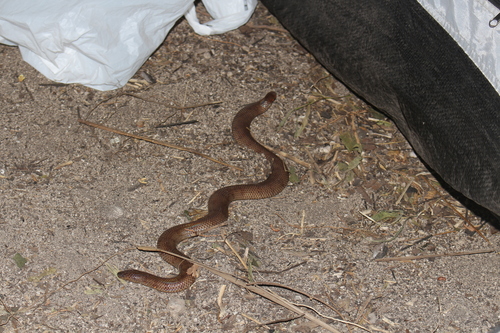 Yamdena pipe snakeCylindrophis yamdenaHarmless
- No photoBlanford's Pipe SnakeCylindrophis lineatusHarmless
- No photoEngkari Pipe SnakeCylindrophis engkariensisHarmless
Keep learning
- What Is a Snake? Anatomy and the BasicsA clear overview of what makes a snake a snake: limbless body plan, anatomy, evolution from lizards, species diversity, and why they are ectothermic.
- How Snakes Move, Hunt, and EatHow snakes move without legs, hunt as ambushers or active foragers, kill by constriction or venom, and swallow prey wider than their head.
- What Do Snakes Eat?All snakes are carnivores. Learn what snakes eat, how diet changes with size and age, how often they feed, and how they hunt and swallow prey.
- Venomous vs Nonvenomous: How to Tell the DifferenceThe folk rules for telling venomous snakes apart, where each one fails, and why location-based identification beats guessing by sight.