
Genus · Colubridae
Crisantophis
The genus Crisantophis contains a single species. It is not considered dangerous to humans.
About Central American road guarder
A single secretive lowland colubrid from Central America, often found near water and low ground vegetation.
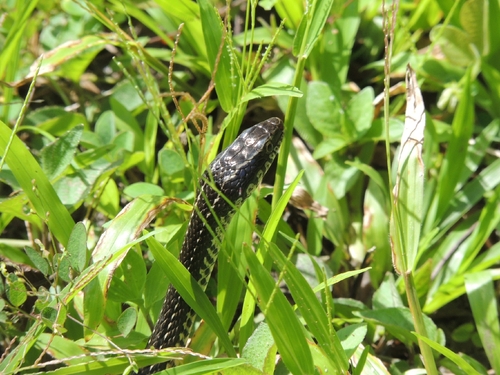
Crisantophis is a monotypic genus in the family Colubridae, the largest and most diverse snake family in the world. Monotypic means it holds just one recognized species, the snake our database lists under the name Dunn's Road Guarder. The genus was split off from related Central American colubrids to mark a distinct lineage, and like many small Neotropical colubrids it sits among the so-called ground snakes and water-associated snakes rather than the large, familiar racers and ratsnakes most people picture.
This genus is native to the lowlands of Central America, occurring along the Pacific side of the region across countries such as Costa Rica, Nicaragua, Honduras, and nearby areas. Its typical habitats are warm, low-elevation settings including open country, savanna, agricultural edges, and the margins of wetlands, streams, and other damp ground where cover and prey are easy to find. In broad terms members of the genus are small to medium colubrids with smooth scales and a slender build, patterned in muted browns and grays that blend into soil, grass, and leaf litter, and they are easy to overlook in the field.
Like many colubrids in this group, this snake is rear-fanged, meaning it has enlarged grooved teeth set toward the back of the upper jaw rather than hollow front fangs. Its mild saliva helps it subdue small prey, and it is not considered dangerous to people; there is no record of it causing serious harm to humans. Even so, no wild snake should be picked up or handled, both for the animal's sake and because any bite from an unidentified snake deserves caution. If a bite happens and symptoms develop, treat it as a medical situation and contact emergency services or US Poison Control at 1-800-222-1222. Ecologically these are ground-foraging predators that feed on small animals such as amphibians and other small prey near water, and like most colubrids in the region they are believed to lay eggs and to be quiet, retiring snakes that avoid people.
Crisantophis belongs to the Colubridae family (Colubrids). The largest snake family, and the one most snakes you meet belong to. Typically round pupils, a head only slightly wider than the neck, and no heat-sensing facial pit or rattle. Scales may be smooth and glossy or keeled and matte depending on the species.
Danger: Almost all colubrids are harmless. A small number are rear-fanged with medically significant venom, the boomslang and the twig (vine) snakes of Africa being the dangerous exceptions. Most colubrids will flee or bluff rather than bite.
All species (1)
Keep learning
- What Is a Snake? Anatomy and the BasicsA clear overview of what makes a snake a snake: limbless body plan, anatomy, evolution from lizards, species diversity, and why they are ectothermic.
- How Snakes Move, Hunt, and EatHow snakes move without legs, hunt as ambushers or active foragers, kill by constriction or venom, and swallow prey wider than their head.
- What Do Snakes Eat?All snakes are carnivores. Learn what snakes eat, how diet changes with size and age, how often they feed, and how they hunt and swallow prey.
- Venomous vs Nonvenomous: How to Tell the DifferenceThe folk rules for telling venomous snakes apart, where each one fails, and why location-based identification beats guessing by sight.