
Genus · Colubridae
Types of mussuranas
5 species make up the genus Clelia, the snakes commonly called mussuranas. None are considered dangerous to humans.
About mussuranas (snake-eating snakes)
Clelia are the mussuranas, glossy New World snakes famous for hunting and eating other snakes, including venomous pit vipers.
Clelia is a genus in the large family Colubridae, the same broad family that contains most of the world's harmless and mildly venomous snakes. Its members are commonly called mussuranas, a name that points to their best-known trait: they are dedicated snake eaters. The genus sits among the New World snakes and is closely tied to the dipsadine and related lineages of Central and South America, where snake-eating habits and rear-fanged venom delivery are common.
These snakes range across the warmer parts of the Americas, from Mexico and Central America through much of South America. They favor tropical and subtropical settings, including forest edges, savannas, grasslands, agricultural land, and the margins of human settlement. Mussuranas are largely ground-dwelling and most active around dusk and into the night, spending the day under cover such as leaf litter, logs, or burrows.
In general terms, members of Clelia are stout, smooth-scaled snakes with a glossy sheen. Adults are often a uniform dark color, frequently bluish black, slate, or lead gray, while many juveniles wear a brighter pattern, typically a red or orange body with a pale neck band and a dark head, which fades as the animal matures. Size varies by species, but several mussuranas are sizable snakes that can exceed a meter and a half, with some reaching around two meters.
Mussuranas are rear-fanged, meaning they have enlarged grooved teeth toward the back of the upper jaw and produce a mild venom used to subdue prey. They are also powerful constrictors and often combine the two: gripping and coiling around prey while venom takes effect. They are not considered dangerous to people in the way front-fanged venomous snakes are, and their reputation is generally that of a beneficial animal because they prey on venomous snakes. Even so, any wild snake can bite, a rear-fanged bite can cause local reactions, and handling a wild snake is never safe. Do not attempt to handle, capture, or provoke one. If a bite occurs, treat it as a medical matter and seek care promptly through US Poison Control at 1-800-222-1222 or local emergency services.
Their ecology centers on other reptiles. Mussuranas readily eat snakes, including venomous pit vipers, and supplement this with lizards and small vertebrates, showing notable resistance to viper venom. Like most colubrids in the region they are egg-laying. Representative members in our records include the Common Mussurana, the Equatorial Mussurana, the Mexican Snake Eater, and the Plumbeous Mussurana, names that reflect both their geography and their snake-eating diet.
Clelia belongs to the Colubridae family (Colubrids). The largest snake family, and the one most snakes you meet belong to. Typically round pupils, a head only slightly wider than the neck, and no heat-sensing facial pit or rattle. Scales may be smooth and glossy or keeled and matte depending on the species.
Danger: Almost all colubrids are harmless. A small number are rear-fanged with medically significant venom, the boomslang and the twig (vine) snakes of Africa being the dangerous exceptions. Most colubrids will flee or bluff rather than bite.
All species (5)
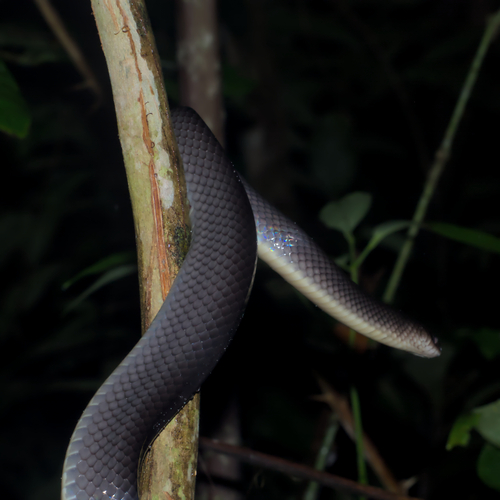
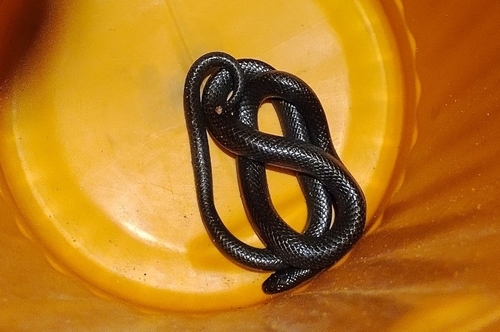
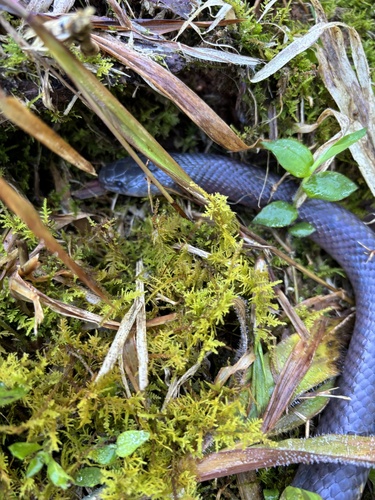
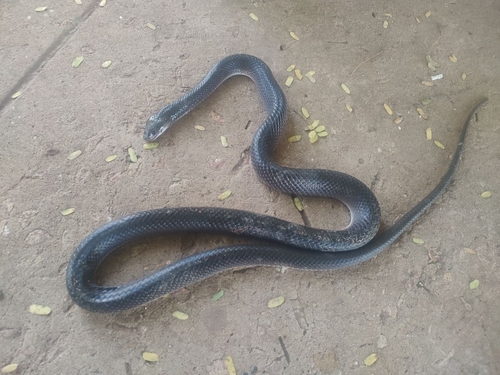
Keep learning
- What Is a Snake? Anatomy and the BasicsA clear overview of what makes a snake a snake: limbless body plan, anatomy, evolution from lizards, species diversity, and why they are ectothermic.
- How Snakes Move, Hunt, and EatHow snakes move without legs, hunt as ambushers or active foragers, kill by constriction or venom, and swallow prey wider than their head.
- What Do Snakes Eat?All snakes are carnivores. Learn what snakes eat, how diet changes with size and age, how often they feed, and how they hunt and swallow prey.
- Venomous vs Nonvenomous: How to Tell the DifferenceThe folk rules for telling venomous snakes apart, where each one fails, and why location-based identification beats guessing by sight.