
Genus · Colubridae
Caraiba
The genus Caraiba contains a single species. It is not considered dangerous to humans.
About Cuban racers
Caraiba is a single-species genus of small Cuban racer, a harmless ground-living colubrid found only on Cuba and its surrounding islets.
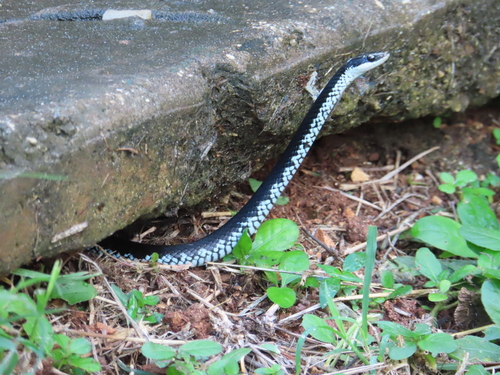
Caraiba is a monotypic genus, meaning it holds just one recognized species, the Cuban Lesser Racer (Caraiba andreae). It belongs to Colubridae, the largest and most varied snake family, and sits within the New World group of slim, fast, terrestrial racers and ground snakes that radiated across the Caribbean. As an island endemic, it is found only on Cuba and nearby small islands, where it is part of a distinctive West Indian colubrid fauna shaped by long isolation. The genus name reflects its Caribbean home, and several regional populations have been described as subspecies across the Cuban archipelago.
These are small, slender snakes of the ground layer. Like most Caribbean racers they have smooth scales, a fairly slim body, a tapering tail, and clear eyes suited to active daytime hunting. Color and pattern in this group tend toward browns, grays, and olive tones, often with darker stripes, blotches, or speckling that help break up the outline against leaf litter and bare soil. They are easy to confuse at a glance with other small Cuban ground snakes, so identification usually leans on locality (Cuba and its islets) combined with the slim, alert, fast-moving racer build rather than any single bold marking.
The Cuban Lesser Racer is harmless to people. Colubrids of this kind are not front-fanged venomous snakes and are not considered a danger to humans; like many small colubrids some carry mild rear-fang secretions used only to subdue small prey, which has no meaningful effect on a person. They are active foragers that hunt by day, taking small prey such as lizards, frogs, and large invertebrates, and they lay eggs rather than giving live birth, as is typical for the family. Wild snakes should still be observed and left alone rather than handled, since a stressed snake may bite or musk in self defense. If a bite from any snake causes a reaction you do not expect, contact US Poison Control at 1-800-222-1222 or local emergency services.
Caraiba belongs to the Colubridae family (Colubrids). The largest snake family, and the one most snakes you meet belong to. Typically round pupils, a head only slightly wider than the neck, and no heat-sensing facial pit or rattle. Scales may be smooth and glossy or keeled and matte depending on the species.
Danger: Almost all colubrids are harmless. A small number are rear-fanged with medically significant venom, the boomslang and the twig (vine) snakes of Africa being the dangerous exceptions. Most colubrids will flee or bluff rather than bite.
All species (1)
Keep learning
- What Is a Snake? Anatomy and the BasicsA clear overview of what makes a snake a snake: limbless body plan, anatomy, evolution from lizards, species diversity, and why they are ectothermic.
- How Snakes Move, Hunt, and EatHow snakes move without legs, hunt as ambushers or active foragers, kill by constriction or venom, and swallow prey wider than their head.
- What Do Snakes Eat?All snakes are carnivores. Learn what snakes eat, how diet changes with size and age, how often they feed, and how they hunt and swallow prey.
- Venomous vs Nonvenomous: How to Tell the DifferenceThe folk rules for telling venomous snakes apart, where each one fails, and why location-based identification beats guessing by sight.