
Genus · Colubridae
Types of reed snakes
30+ species make up the genus Calamaria, the snakes commonly called reed snakes. None are considered dangerous to humans.
About reed snakes (dwarf snakes)
Small, secretive burrowing snakes of Southeast Asia that spend almost their entire lives hidden in soil and leaf litter.
Calamaria is a genus in the family Colubridae, the largest snake family in the world. Members are commonly called reed snakes or dwarf snakes. The genus is large and diverse, with dozens of recognized species, including the Pink-headed Reed Snake, the Collared Reed Snake, the Northern Reed Snake, and the Variable Reed Snake. Because so many species are small, look alike, and live underground, the group is taxonomically difficult and new species are still being described.
These snakes are found across South and Southeast Asia, including southern China, the Indian subcontinent, Indochina, the Malay Peninsula, and the islands of Indonesia and the Philippines. They favor moist forest floors, soft soil, leaf litter, and the edges of fields and gardens. They are fossorial, meaning they live mostly buried, so they are rarely seen in the open and often turn up only when people dig, move logs, or clear debris.
Members are best recognized as small, smooth-scaled, cylindrical snakes with a short tail and a small, blunt head that is barely distinct from the neck, an adaptation for pushing through soil. Most species are modest in size, and the eyes are small. Coloration varies widely, from plain browns and blacks to banded or strikingly marked forms, and several species have bright neck collars or contrasting heads. Identifying individual species usually requires close examination of scale counts rather than color alone.
Calamaria reed snakes are harmless to people. They are not front-fanged venomous snakes and pose no medical threat through a bite. Their small mouths and gentle nature mean encounters are low risk, and they are not considered dangerous. As with any wild animal, the responsible practice is to observe rather than handle, leave the snake undisturbed, and avoid picking up snakes you cannot confidently identify. If anyone is ever bitten by an unidentified snake and there is any doubt, treat it as a medical matter and contact emergency services or, in the United States, Poison Control at 1-800-222-1222.
Ecologically, reed snakes are specialized predators of soft-bodied soil invertebrates. They feed largely on earthworms and other small prey such as insect larvae, hunting through the soil and litter where these are abundant. Like most colubrids in this group they are egg-laying, producing small clutches. Their behavior is shy and inoffensive; when uncovered they typically try to burrow away or hide rather than confront a threat, which is part of why they remain so poorly observed despite being widespread.
Calamaria belongs to the Colubridae family (Colubrids). The largest snake family, and the one most snakes you meet belong to. Typically round pupils, a head only slightly wider than the neck, and no heat-sensing facial pit or rattle. Scales may be smooth and glossy or keeled and matte depending on the species.
Danger: Almost all colubrids are harmless. A small number are rear-fanged with medically significant venom, the boomslang and the twig (vine) snakes of Africa being the dangerous exceptions. Most colubrids will flee or bluff rather than bite.
All species (39)
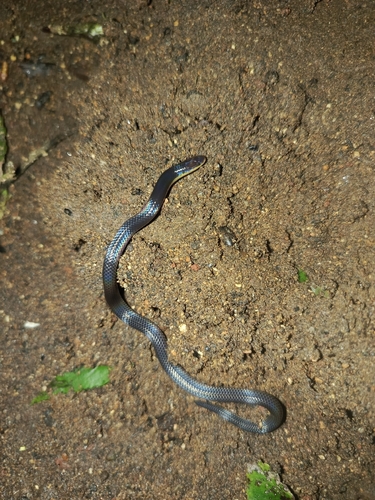 Pink-headed Reed SnakeCalamaria schlegeliHarmless
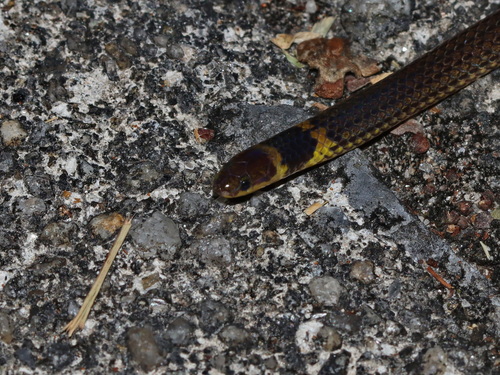 Collared Reed SnakeCalamaria pavimentataHarmless
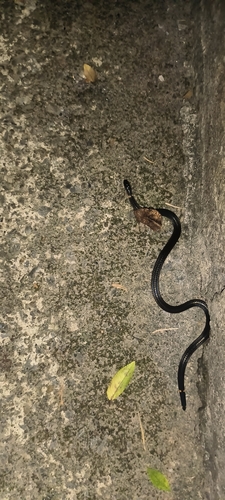 Northern Reed SnakeCalamaria septentrionalisHarmless
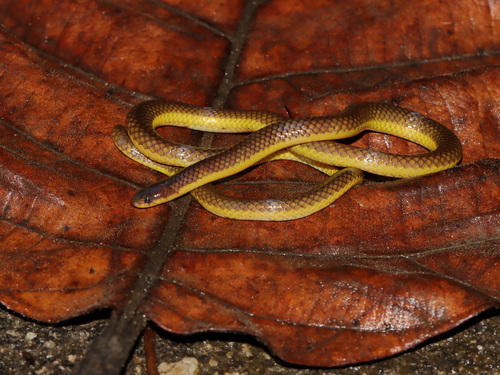 Variable Reed SnakeCalamaria lumbricoideaHarmless
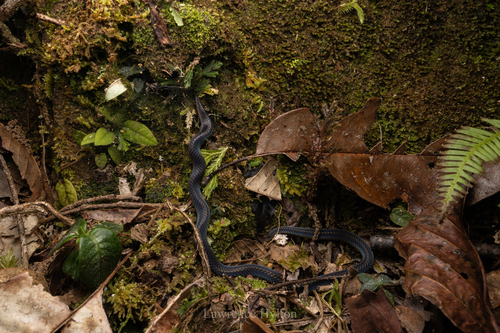 Schmidt's Reed SnakeCalamaria schmidtiHarmless
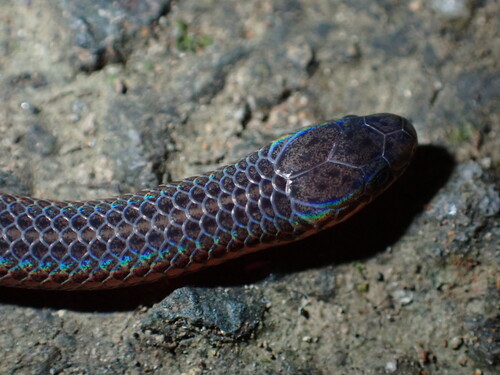 Gervais' Worm SnakeCalamaria gervaisiiHarmless
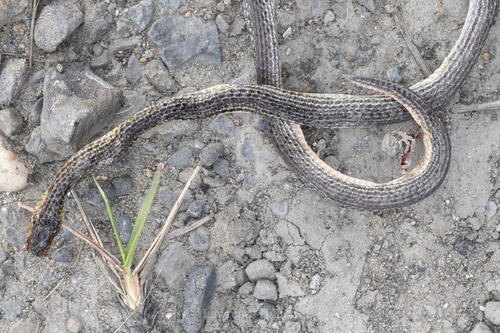 Lined Reed SnakeCalamaria griswoldiHarmless
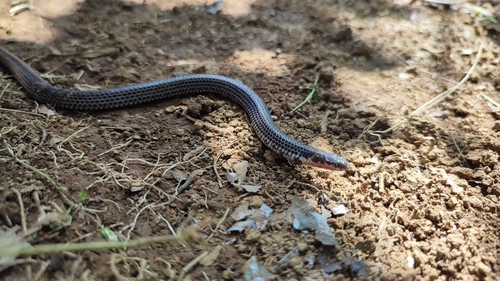 Linne's Dwarf SnakeCalamaria linnaeiHarmless
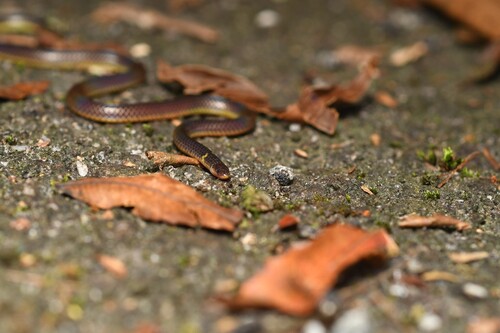 Lovi’s Reed SnakeCalamaria loviiHarmless
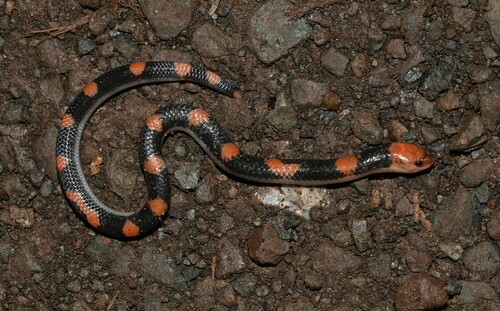 Samarinda Reed SnakeCalamaria hilleniusiHarmless
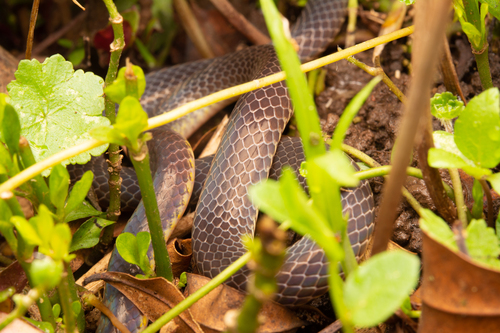 Two-colored Dwarf SnakeCalamaria bicolorHarmless
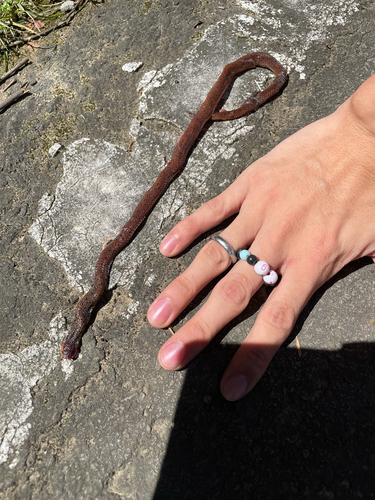 Grabowsky's Reed SnakeCalamaria grabowskyiHarmless
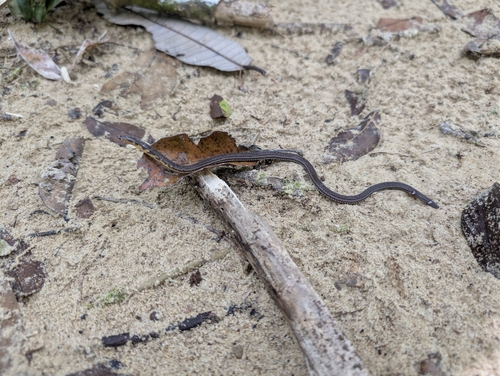 Bornean Reed SnakeCalamaria borneensisHarmless
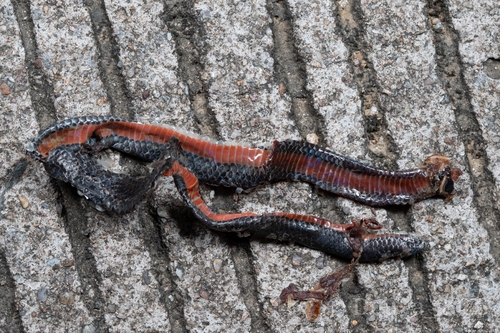 Calamaria arcanaHarmless
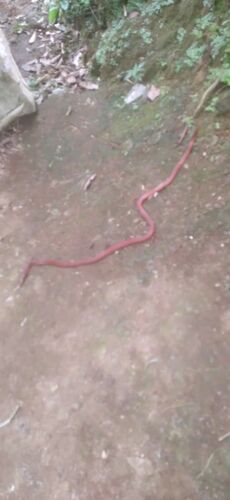 Calamaria concolorHarmless
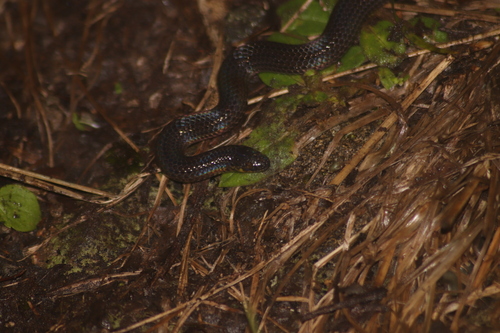 Yellow-spotted Reed SnakeCalamaria modestaHarmless
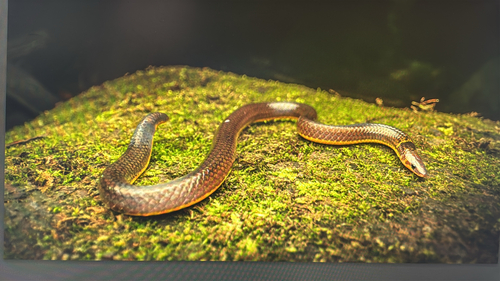 Ampat Lawang Dwarf SnakeCalamaria leucogasterHarmless
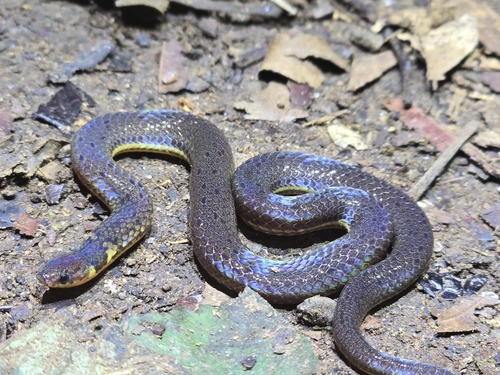 Boie's Dwarf SnakeCalamaria virgulataHarmless
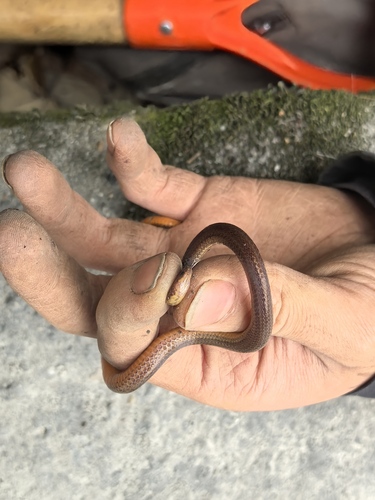 Calamaria berezowskiiHarmless
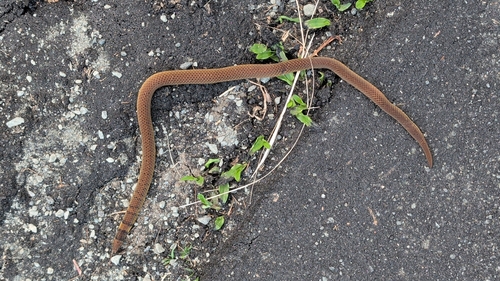 Philippine Dwarf SnakeCalamaria bitorquesHarmless
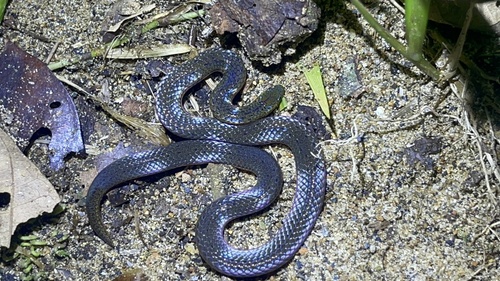 Yellow-bellied Reed SnakeCalamaria suluensisHarmless
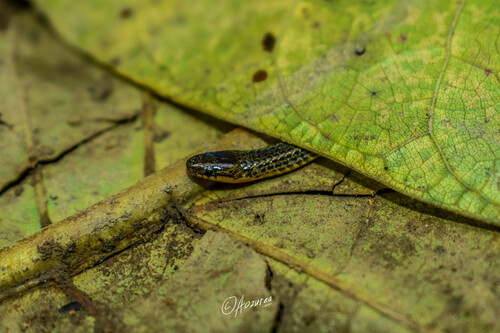 Calamaria butonensisHarmless
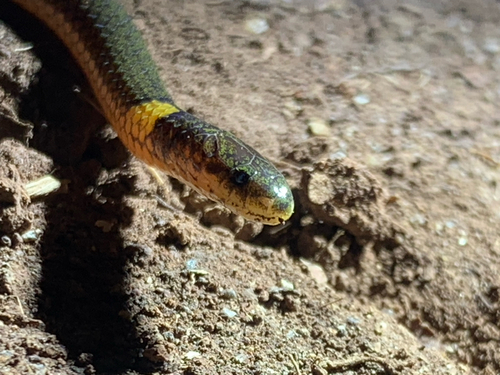 Dalat Dwarf SnakeCalamaria buchiHarmless
 White-bellied Reed SnakeCalamaria albiventerHarmless
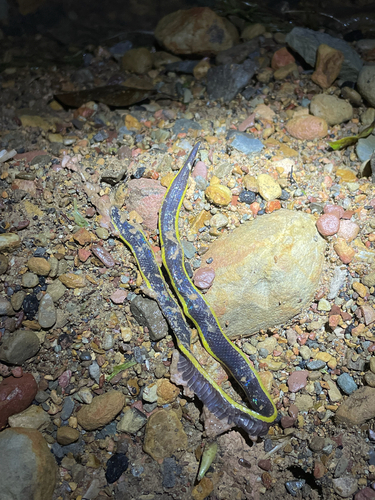 White-striped Reed SnakeCalamaria lateralisHarmless
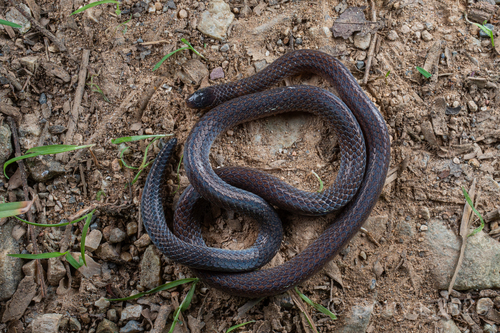 Calamaria andersoniHarmless
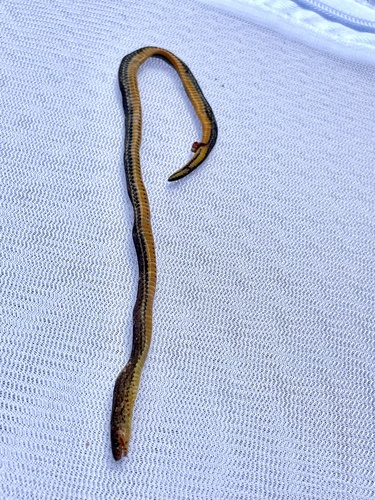 Everett's Reed SnakeCalamaria everettiHarmless
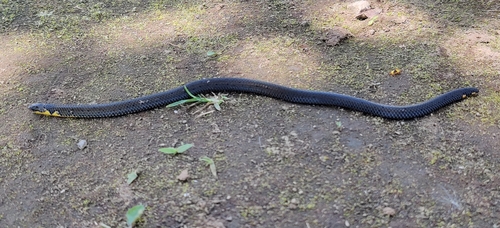 Javanese Reed SnakeCalamaria javanicaHarmless
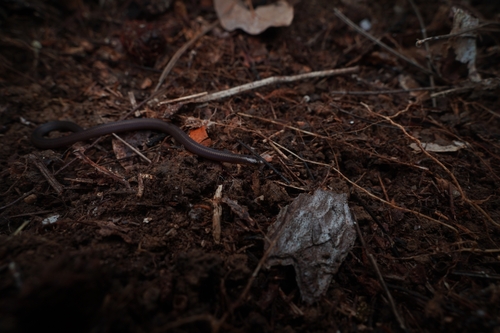 Pfeffer's Reed SnakeCalamaria pfefferiHarmless
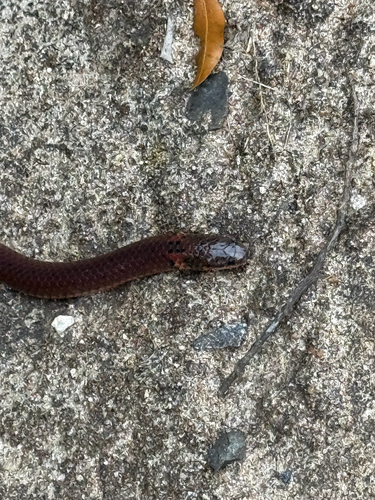 Sang's reed snakeCalamaria sangiHarmless
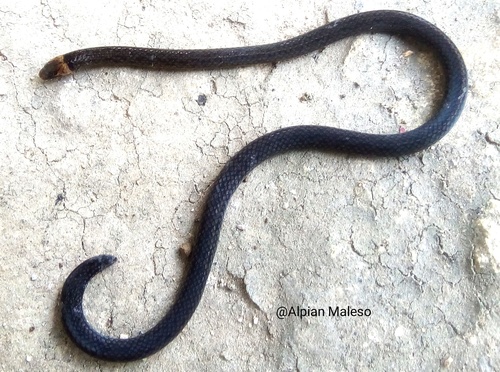 Banggai reed snakeCalamaria banggaiensisHarmless
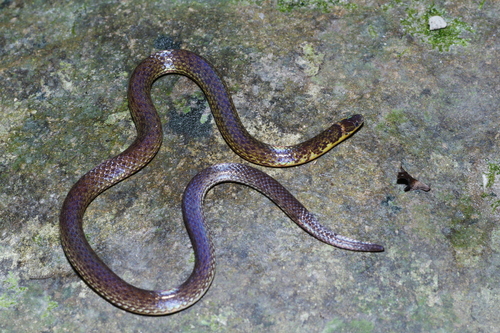 Calamaria ceramensisHarmless
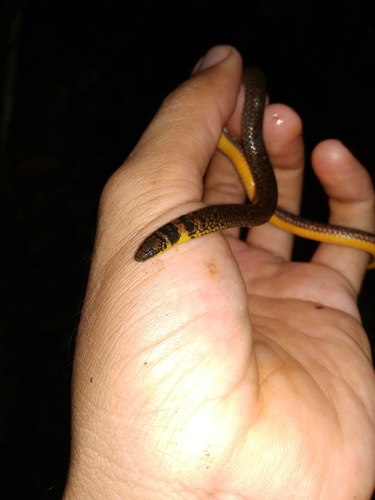 Narrow-headed Reed SnakeCalamaria nuchalisHarmless
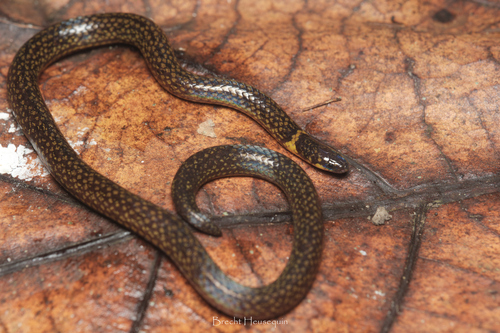 Padang Reed SnakeCalamaria abstrusaHarmless
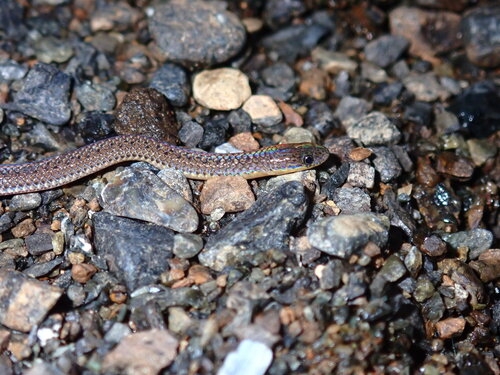 Palawan Worm SnakeCalamaria palavanensisHarmless
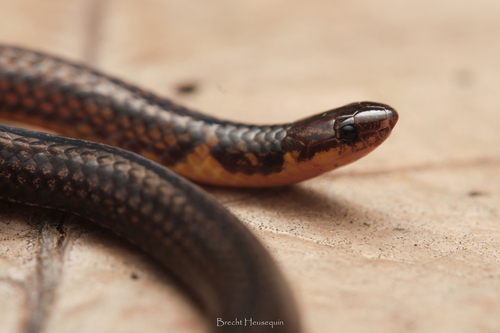 Sumatra Dwarf SnakeCalamaria sumatranaHarmless
- No photoKapuas Reed SnakeCalamaria melanotaHarmless
- No photoYunnan Reed SnakeCalamaria yunnanensisHarmless
- No photoCalamaria longirostrisHarmless
Keep learning
- What Is a Snake? Anatomy and the BasicsA clear overview of what makes a snake a snake: limbless body plan, anatomy, evolution from lizards, species diversity, and why they are ectothermic.
- How Snakes Move, Hunt, and EatHow snakes move without legs, hunt as ambushers or active foragers, kill by constriction or venom, and swallow prey wider than their head.
- What Do Snakes Eat?All snakes are carnivores. Learn what snakes eat, how diet changes with size and age, how often they feed, and how they hunt and swallow prey.
- Venomous vs Nonvenomous: How to Tell the DifferenceThe folk rules for telling venomous snakes apart, where each one fails, and why location-based identification beats guessing by sight.