
Genus · Viperidae
Types of pitvipers
9 species make up the genus Bothrocophias, the snakes commonly called pitvipers. All of them are venomous.
About toad-headed pitvipers
A small group of stout, venomous South American pitvipers named for the blunt, upturned, toad-like snout most of its members carry.
Bothrocophias is a genus of venomous snakes in the family Viperidae, the same family that contains true vipers, rattlesnakes, and lanceheads. Within Viperidae its members belong to the pitviper group, the subfamily that carries a deep heat-sensing pit on each side of the head between the eye and the nostril. That facial pit detects the body heat of prey and is a defining trait shared across all pitvipers. The genus is closely related to Bothrops, the lanceheads, and several species now in Bothrocophias were once classified as Bothrops before the genus was separated.
The common name toad-headed pitviper comes from the short, broad, often upturned snout seen in most species, which gives the head a squat, toad-like profile. Members are generally stout-bodied, medium-sized snakes with strongly keeled scales that give the body a rough texture, a triangular head distinct from the neck, and vertically elliptical pupils. Color patterns tend toward browns, grays, and reddish tones with dark blotches or bands that break up the outline against leaf litter and forest floor. The heat-sensing pit, keeled scales, and blocky head together separate them from harmless lookalikes, though field identification of any pitviper should be left to people trained to do it safely.
The genus is restricted to South America. Its species occur largely along the Andes and the upper Amazon basin, across countries such as Colombia, Ecuador, Peru, Bolivia, and into western Brazil and Venezuela. Typical habitats are humid montane and lowland tropical forest, including cloud forest on Andean slopes and rainforest floor at lower elevations. These are ground-dwelling, often secretive snakes that spend their time in leaf litter and dense vegetation where their patterning gives them strong camouflage.
Like other pitvipers, Bothrocophias species are ambush predators. They commonly wait motionless and strike prey that passes within range, using the facial pits to locate warm-bodied animals and the heat-sensing system together with vision and scent to aim. Diet centers on small vertebrates such as rodents, frogs, lizards, and other small animals, with the mix varying by species and size. Many pitvipers in this part of the world bear live young rather than laying eggs, a reproductive mode common in the broader lancehead group to which this genus is allied.
These are venomous snakes and should be treated as dangerous. As members of the pitviper line related to the lanceheads, their venom can cause serious tissue and blood effects, and a bite is a medical emergency. Never attempt to handle, capture, or move a wild venomous snake; give it distance and let it leave. If a bite occurs, keep the person calm and still, remove tight items near the bite, and get to professional medical care immediately. In the United States contact Poison Control at 1-800-222-1222 or call emergency services; elsewhere call your local emergency number. Do not rely on tourniquets, cutting, or suction.
Bothrocophias belongs to the Viperidae family (Vipers & pit vipers). Heavy-bodied venomous snakes with long, hinged, hollow fangs. Broad, triangular head distinct from a narrow neck, heavy body, and (usually) vertical, cat-like pupils. Pit vipers also have a heat-sensing pit; true vipers do not.
Danger: Every viper is venomous, and the family includes some of the world's most medically important snakes. Venom is typically hemotoxic, causing pain, swelling, tissue damage, and bleeding. Treat any viper bite as a medical emergency.
All species (9)
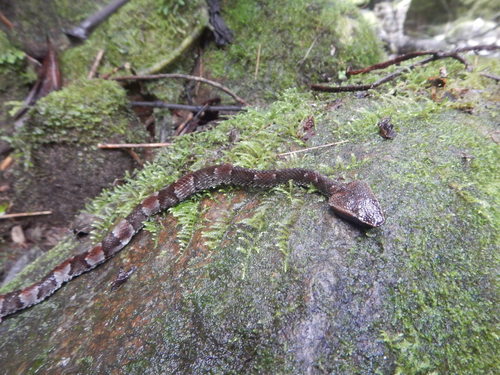 Small-eyed Toad-headed PitviperBothrocophias microphthalmusVenomous
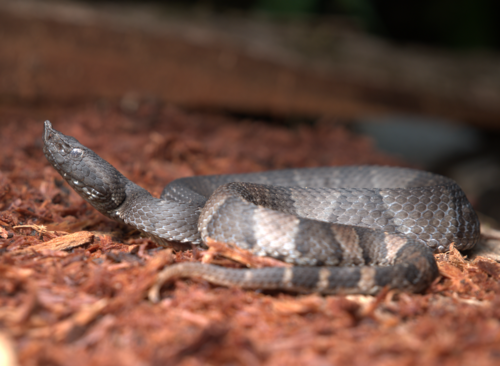 Amazonian Toad-headed PitviperBothrocophias hyoproraVenomous
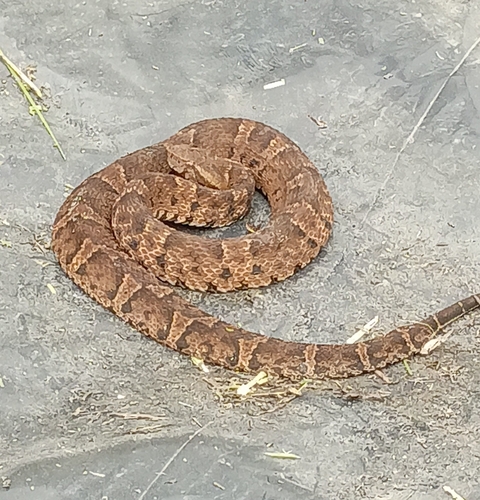 Ecuadorian Toadheaded PitviperBothrocophias campbelliVenomous
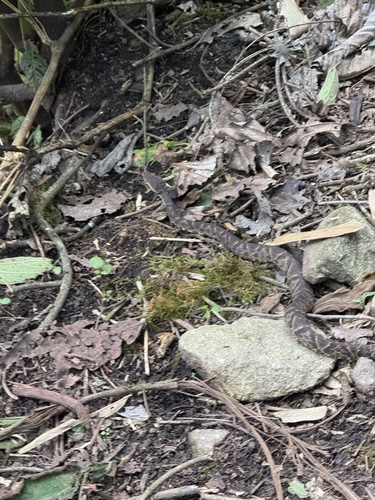 Andean LanceheadBothrocophias andianusVenomous
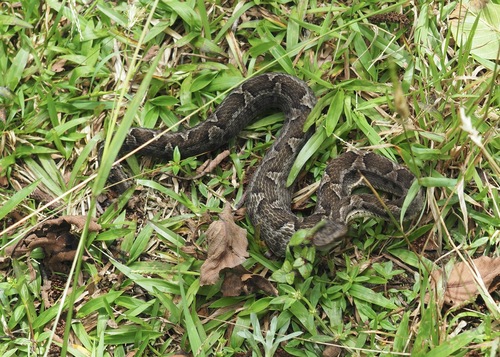 Lojan LanceheadBothrocophias lojanusVenomous
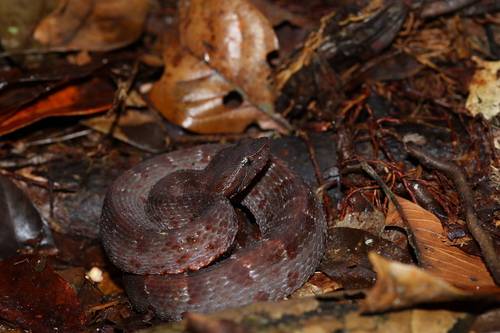 Chocoan Toadheaded PitviperBothrocophias myersiVenomous
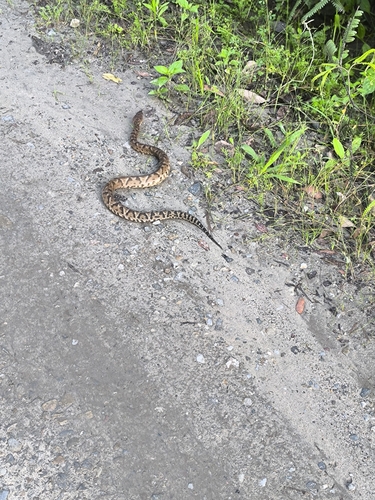 Bothrocophias tulitoiVenomous
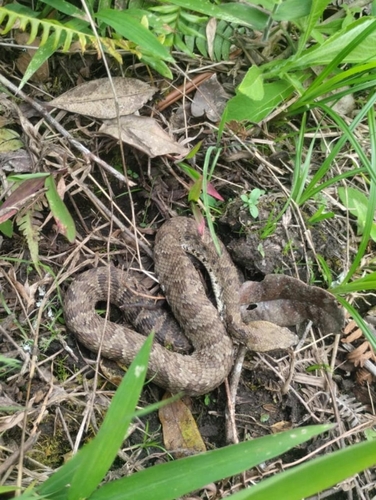 Bothrocophias myrringaeVenomous
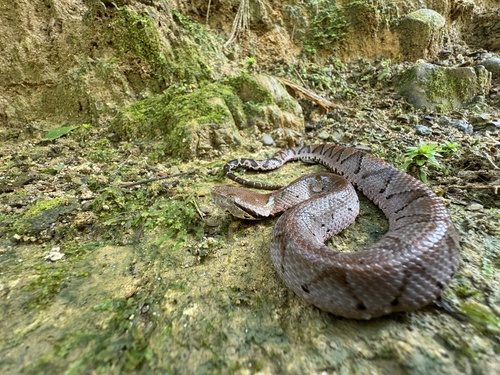 Colombian Toadheaded PitviperBothrocophias colombianusVenomous
Keep learning
- Venomous vs Nonvenomous: How to Tell the DifferenceThe folk rules for telling venomous snakes apart, where each one fails, and why location-based identification beats guessing by sight.
- Are Snakes Dangerous? The Real Risk, in PerspectiveMost snakes are harmless and avoid people. Here is the honest picture of snakebite risk worldwide and how to lower your own.
- Snake Venom Explained: How It Works and WhyWhat snake venom actually is, why it evolved, the main venom types, fang delivery, how antivenom works, and why ranking the most venomous snake is hard.
- How Snakes Move, Hunt, and EatHow snakes move without legs, hunt as ambushers or active foragers, kill by constriction or venom, and swallow prey wider than their head.