
Genus · Elapidae
Types of copperheads
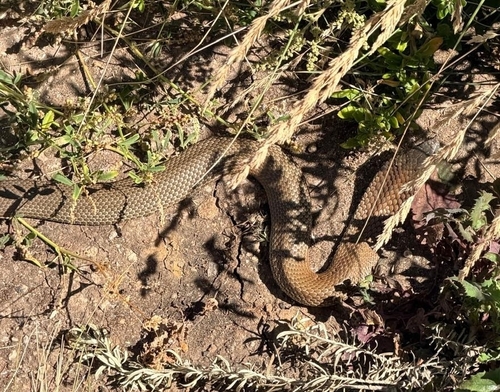
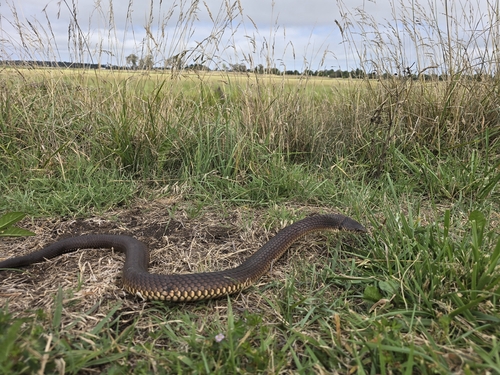
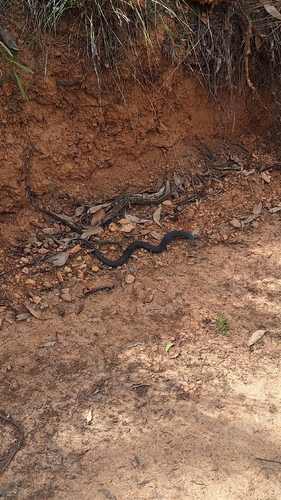
3 species make up the genus Austrelaps, the snakes commonly called copperheads. All of them are venomous.
About Australian copperheads
Australia's cold-tolerant elapids that share a name with American copperheads but are a completely different, front-fanged venomous snake.
Austrelaps is a small genus of venomous snakes in the family Elapidae, the same family that contains cobras, mambas, sea snakes, and most of Australia's dangerous land snakes. The common name copperhead causes constant confusion: these animals are not related to the North American copperhead, which is a pit viper. They were named by early settlers who noticed the coppery or reddish tones on the head and neck of some individuals.
The genus contains three species, all native to southeastern Australia and Tasmania: the Lowlands Copperhead, the Highlands Copperhead, and the Pygmy Copperhead. They are found in cool, often damp environments such as wetlands, swamp margins, grasslands, and montane areas. One of the most notable traits of Austrelaps is cold tolerance. They are among the few snakes that remain active in cool, high-altitude, and high-latitude conditions where most reptiles cannot function, which lets them range farther south than nearly any other Australian snake.
In general terms, Austrelaps copperheads are medium-sized, fairly slender to moderately robust snakes with smooth scales and a relatively narrow head that is only slightly distinct from the neck. Color is variable, ranging through gray, brown, reddish, and near black, frequently with paler flanks and the coppery head tones that gave them their name. Because color overlaps with many harmless and dangerous Australian species, appearance alone is not a reliable way to identify them, which matters because their range overlaps with highly venomous tiger snakes and brown snakes.
All three species are front-fanged and venomous. As elapids their venom contains neurotoxic and other active components, and a serious bite is a medical emergency. They are generally regarded as less aggressive than some other Australian elapids and will usually try to flee, but a cornered animal can deliver a dangerous bite. Never attempt to handle, catch, or kill a wild copperhead. If a bite occurs, treat it as a medical emergency: keep the person calm and still and seek emergency care immediately. In the United States contact Poison Control at 1-800-222-1222 or call local emergency services; in Australia call 000.
Ecologically, Austrelaps are active hunters that feed largely on frogs and lizards, with some taking small mammals and other prey, reflecting their wetland and grassland habitats. Like a number of Australian elapids they give birth to live young rather than laying eggs, an adaptation that suits the cool climates they inhabit by letting the female regulate developing young with her own basking. They are most often seen foraging by day in mild weather and shelter under vegetation, debris, and ground cover.
Austrelaps belongs to the Elapidae family (Cobras, mambas, coral & sea snakes). Front-fanged venomous snakes, many with potent neurotoxic venom. Usually slender with a head barely wider than the neck and fixed front fangs (not the folding fangs of vipers). Coral snakes are boldly ringed; sea snakes have a flattened, paddle-like tail.
Danger: All elapids are venomous and the family is responsible for a large share of fatal snakebites worldwide. Many are shy, but bites can be life-threatening. Treat any bite as a medical emergency.
All species (3)
Keep learning
- Venomous vs Nonvenomous: How to Tell the DifferenceThe folk rules for telling venomous snakes apart, where each one fails, and why location-based identification beats guessing by sight.
- Are Snakes Dangerous? The Real Risk, in PerspectiveMost snakes are harmless and avoid people. Here is the honest picture of snakebite risk worldwide and how to lower your own.
- Snake Venom Explained: How It Works and WhyWhat snake venom actually is, why it evolved, the main venom types, fang delivery, how antivenom works, and why ranking the most venomous snake is hard.
- How Snakes Move, Hunt, and EatHow snakes move without legs, hunt as ambushers or active foragers, kill by constriction or venom, and swallow prey wider than their head.