
Genus · Pareidae
Types of slug snakes
9 species make up the genus Asthenodipsas, the snakes commonly called slug snakes. None are considered dangerous to humans.
About slug-eating snakes
Small, slow-moving Asian forest snakes that have specialized so completely on slugs and snails that their jaws are built around the job.
Asthenodipsas is a genus in the family Pareidae, the slug-eating and snail-eating snakes of South and Southeast Asia. The family is defined by a striking feeding specialization: its members eat soft-bodied mollusks, mainly slugs and land snails, and their skulls have been reshaped to do it. Rather than the symmetrical jaws of most snakes, pareids tend to have a reduced or absent groove under the chin and uneven numbers of teeth on the two sides of the lower jaw, an adaptation that helps them extract snails from their shells. Our database holds 9 species in this genus.
These are snakes of wet tropical forest. Asthenodipsas occurs in Southeast Asia, including the Malay Peninsula, Borneo, Sumatra and nearby regions, where it lives in humid lowland and montane rainforest. They are largely nocturnal and spend much of their time in low vegetation, shrubs and leaf litter, the same damp, shaded places where their slug and snail prey are active after dark. Because they are small, slow and easily overlooked, field data on individual species is limited and several have only become well known relatively recently.
Recognizing an Asthenodipsas comes down to general traits rather than one bold marking. They are small, slender to moderately built snakes with blunt, rounded heads that are fairly distinct from the neck, and large eyes suited to a nocturnal, low-light life. Coloration is usually muted, in browns, greys and tans, sometimes with banding, blotching or a darker neck or nape in particular species. Examples in this genus include the Smooth Slug Snake, the Asian Slug Snake, the Bornean dark-necked slug snake and the Malayan slug snake. As with many forest snakes, locality and habits are as useful for identification as pattern alone.
Slug-eating snakes are harmless to people. They are non-venomous, not front-fanged venom delivery animals, and pose no medical danger; their entire feeding apparatus is tuned to soft, shell-bound prey rather than to subduing or harming large animals. Their small size and secretive, nocturnal habits mean most people never see one. The right approach with any wild snake is still to observe and not handle, both for the animal's welfare and because field identification can be uncertain. If a bite from any wild snake occurs and you are unsure of the species, contact emergency services or, in the US, Poison Control at 1-800-222-1222.
Ecologically, Asthenodipsas are quiet, slow-moving specialist predators. They hunt slugs and snails at night, using their modified jaws to handle and consume mollusks, and they move deliberately through vegetation and leaf litter rather than chasing fast prey. Members of the family are generally egg-laying. Their restrained pace, muted colors and after-dark activity all fit a low-profile role as forest-floor and understory mollusk hunters, an unusual niche that sets pareids apart from most other snakes.
Asthenodipsas belongs to the Pareidae family (Slug-eating snakes). Snail and slug specialists with lopsided jaws. Slender, blunt-headed snakes, often with large eyes; usually found in damp forest.
Danger: Harmless. No venom of concern.
All species (9)
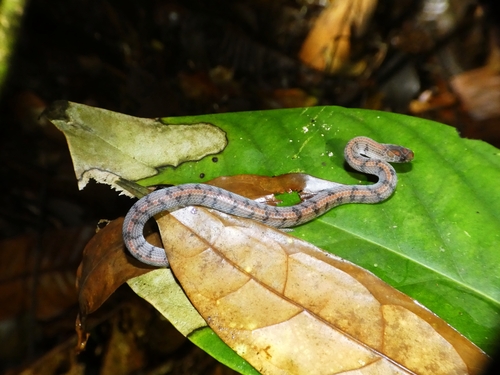 Smooth Slug SnakeAsthenodipsas laevisHarmless
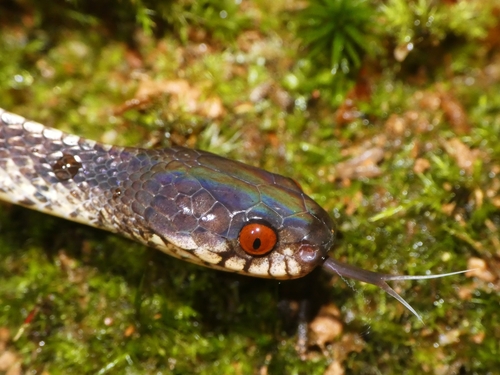 Asian Slug SnakeAsthenodipsas vertebralisHarmless
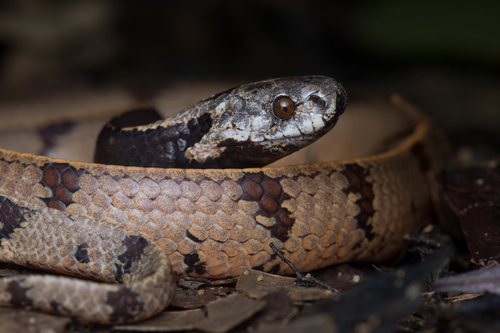 Bornean dark-necked slug snakeAsthenodipsas borneensisHarmless
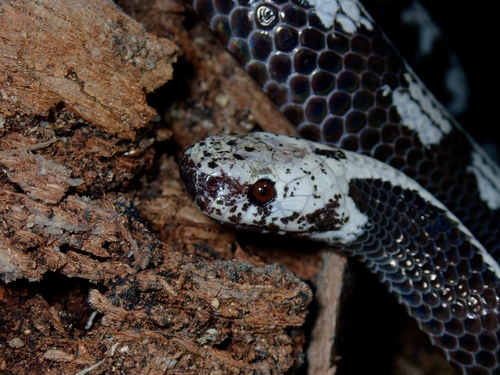 Malayan slug snakeAsthenodipsas malaccanusHarmless
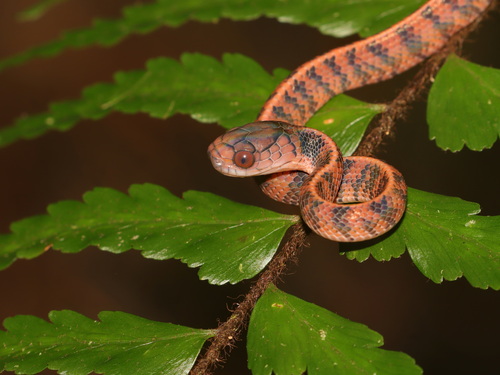 Asthenodipsas lasgalenensisHarmless
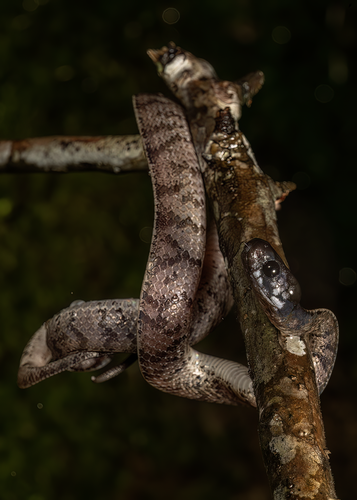 Asthenodipsas ingeriHarmless
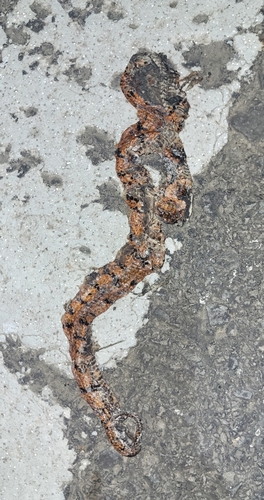 Asthenodipsas stuebingiHarmless
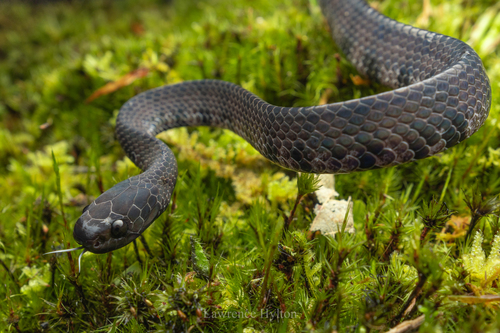 Jamil Slug SnakeAsthenodipsas jamilinaisiHarmless
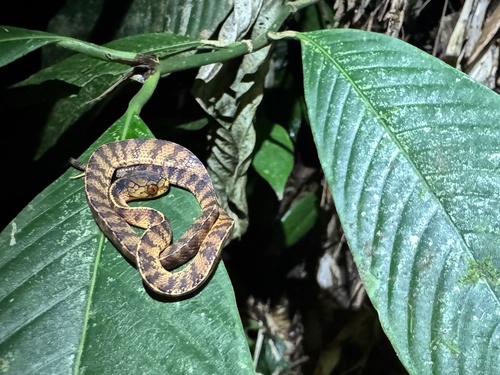 Sumatran Slug SnakeAsthenodipsas tropidonotusHarmless
Keep learning
- What Is a Snake? Anatomy and the BasicsA clear overview of what makes a snake a snake: limbless body plan, anatomy, evolution from lizards, species diversity, and why they are ectothermic.
- How Snakes Move, Hunt, and EatHow snakes move without legs, hunt as ambushers or active foragers, kill by constriction or venom, and swallow prey wider than their head.
- What Do Snakes Eat?All snakes are carnivores. Learn what snakes eat, how diet changes with size and age, how often they feed, and how they hunt and swallow prey.
- Venomous vs Nonvenomous: How to Tell the DifferenceThe folk rules for telling venomous snakes apart, where each one fails, and why location-based identification beats guessing by sight.