
Genus · Elapidae
Types of coral snakes
2 species make up the genus Aspidelaps, the snakes commonly called coral snakes. All of them are venomous.
About shield-nosed and coral cobras
Small burrowing African elapids with an enlarged nose shield and a defensive cobra-style hood.
Aspidelaps is a small genus in the family Elapidae, the group of front-fanged venomous snakes that also includes true cobras, mambas, and coral snakes. The genus is restricted to southern and southwestern Africa and is built around two recognized species: the Cape coral snake (Aspidelaps lubricus) and the shield-nosed snake (Aspidelaps scutatus). The common name points to their most distinctive feature, an enlarged scale on the tip of the snout that forms a shovel-like shield used for burrowing through sandy soils.
These are modest-sized snakes, generally under a meter, with cylindrical bodies suited to a partly fossorial life in arid and semiarid country, scrub, and sandy or rocky ground. The Cape coral snake shows bold banding in orange to reddish tones with dark crossbars, while the shield-nosed snake is more drab and is named for its especially prominent rostral shield. Despite their small size, both can flatten the neck into a narrow hood and rear up when threatened, a defensive display that echoes their cobra relatives. They are mainly nocturnal and crepuscular and feed on small vertebrates such as lizards, small snakes, rodents, and amphibians; they are egg-laying (oviparous).
Aspidelaps species are venomous front-fanged elapids and should be treated as medically significant, not handled. Bites are uncommon because the snakes are secretive, but envenomation has caused serious effects and at least one human fatality is on record for the genus, so a bite is a medical emergency. Do not attempt to catch, restrain, or handle a wild Aspidelaps. If a bite occurs, keep the person calm and still, remove rings or tight items, and get to emergency medical care immediately; in the US contact Poison Control at 1-800-222-1222, and elsewhere call local emergency services.
Aspidelaps belongs to the Elapidae family (Cobras, mambas, coral & sea snakes). Front-fanged venomous snakes, many with potent neurotoxic venom. Usually slender with a head barely wider than the neck and fixed front fangs (not the folding fangs of vipers). Coral snakes are boldly ringed; sea snakes have a flattened, paddle-like tail.
Danger: All elapids are venomous and the family is responsible for a large share of fatal snakebites worldwide. Many are shy, but bites can be life-threatening. Treat any bite as a medical emergency.
All species (2)
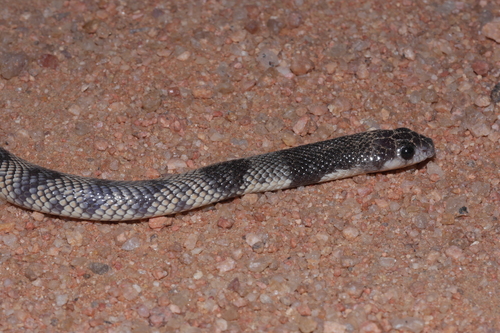
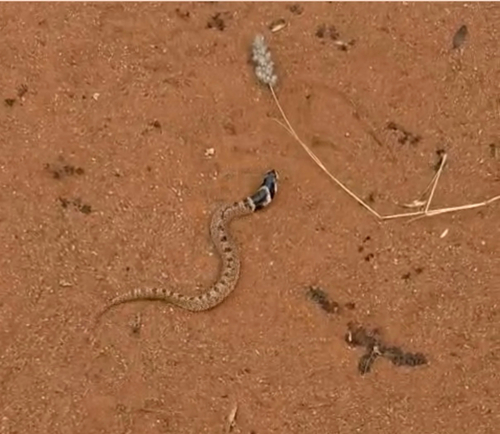
Keep learning
- Venomous vs Nonvenomous: How to Tell the DifferenceThe folk rules for telling venomous snakes apart, where each one fails, and why location-based identification beats guessing by sight.
- Are Snakes Dangerous? The Real Risk, in PerspectiveMost snakes are harmless and avoid people. Here is the honest picture of snakebite risk worldwide and how to lower your own.
- Snake Venom Explained: How It Works and WhyWhat snake venom actually is, why it evolved, the main venom types, fang delivery, how antivenom works, and why ranking the most venomous snake is hard.
- How Snakes Move, Hunt, and EatHow snakes move without legs, hunt as ambushers or active foragers, kill by constriction or venom, and swallow prey wider than their head.