
Genus · Xenodermidae
Types of odd-scaled snakes
20+ species make up the genus Achalinus, the snakes commonly called odd-scaled snakes. None are considered dangerous to humans.
About Odd-scaled snakes
Small, secretive forest snakes named for the strange, non-overlapping scales that give their skin a rough, beaded look.
Achalinus is a genus of small snakes in the family Xenodermidae, often called odd-scaled snakes. The family name points to their defining trait: unusual skin. Instead of the smooth, tightly overlapping scales most snakes have, xenodermids carry scales that are keeled, granular, or widely spaced, sometimes with bare skin showing between rows. In Achalinus this gives the body a distinctly textured, almost iridescent appearance under good light. Our database holds 20+ species in this genus.
These are creatures of cool, damp forest. Achalinus is concentrated in East and Southeast Asia, including Japan, China, Taiwan, Vietnam, and nearby regions. They favor montane and forested habitats with moist leaf litter, soil, and ground cover. Much of their life is spent hidden, which is one reason new species in this genus are still being described and why solid field data on many of them remains thin.
Recognizing an Achalinus comes down to a few general cues rather than bright markings. They tend to be slender and modest in size, with small heads not much wider than the neck, small eyes suited to a low-light underground or leaf-litter life, and the characteristic rough or matte scale texture of the family. Coloration is usually plain and dark, often brown to blackish, sometimes with a faint sheen. They are easy to mistake for other small ground snakes, so scale texture and locality are the most reliable clues.
Odd-scaled snakes are harmless to people. They are non-venomous and pose no medical danger; they are not front-fanged venom delivery animals, and there is no evidence they are a threat to humans. Their small size and secretive habits mean most people never encounter one. As with any wild animal, the right approach is to observe and not handle, both for the snake's welfare and because identification in the field can be uncertain. If a bite from any wild snake occurs and you are unsure of the species, contact emergency services or US Poison Control at 1-800-222-1222.
Ecologically, Achalinus are quiet ground-dwelling predators of soft-bodied prey. Available accounts indicate a diet centered on earthworms and other small invertebrates, consistent with their burrowing, leaf-litter lifestyle and reduced eyes. Like many xenodermids, members of the genus are egg-laying. They are largely nocturnal or crepuscular and spend daylight hidden in soil, under logs, or within leaf litter, which fits their low-profile role as small forest-floor specialists.
Achalinus belongs to the Xenodermidae family (Odd-scaled snakes). Forest snakes with strange, knob-like scales. Distinctive bumpy, irregular scalation unlike the smooth or evenly keeled scales of most snakes.
Danger: Harmless.
All species (21)
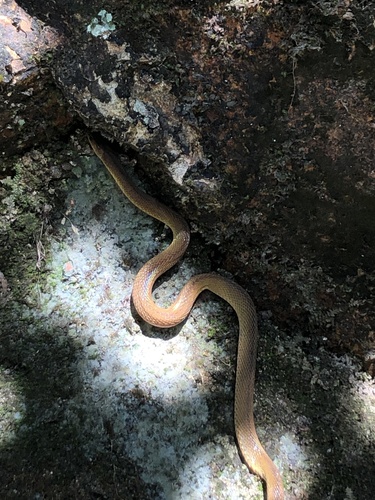 Boulenger's Odd-scaled SnakeAchalinus rufescensHarmless
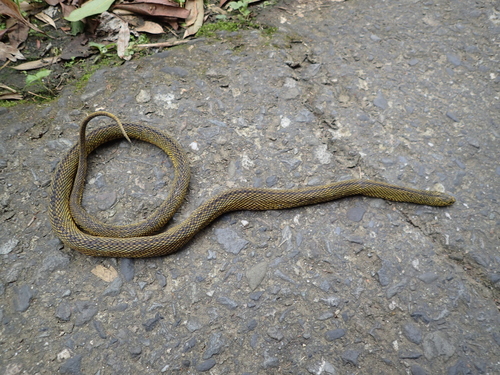 Black Odd-scaled SnakeAchalinus nigerHarmless
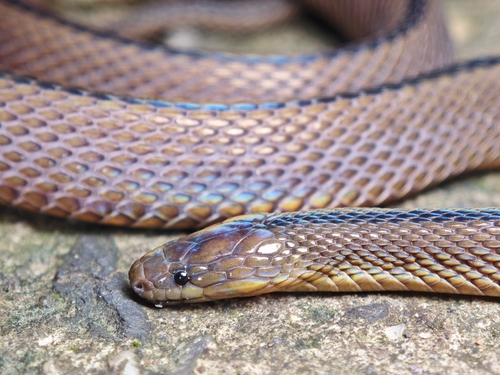 Huang's odd-scaled snakeAchalinus huangjietangiHarmless
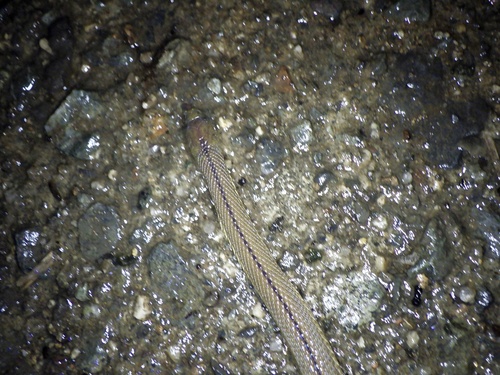 Peters' Odd-scaled SnakeAchalinus spinalisHarmless
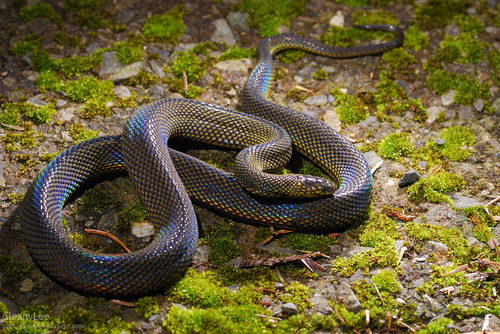 Formosa Odd-scaled SnakeAchalinus formosanusHarmless
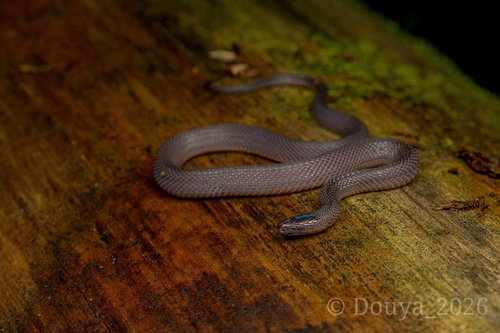 Achalinus ningshanensisHarmless
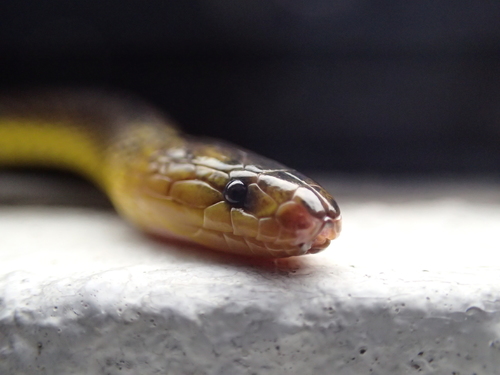 Amami Takachiho SnakeAchalinus werneriHarmless
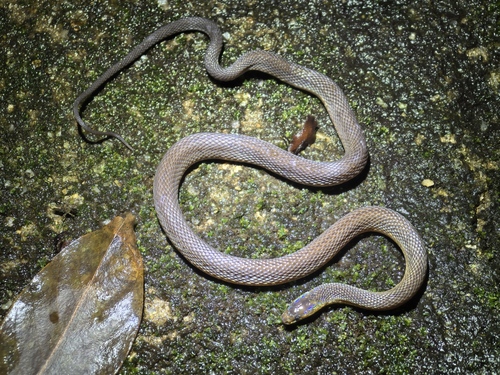 Achalinus dehuaensisHarmless
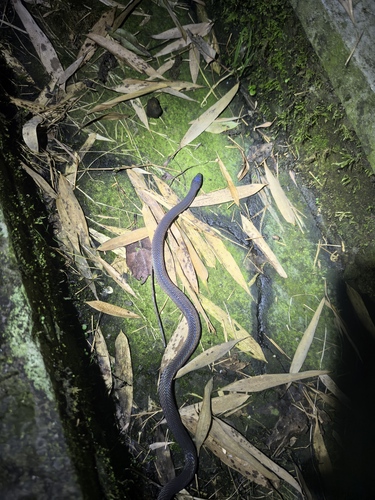 Szechwan Odd-scaled SnakeAchalinus meiguensisHarmless
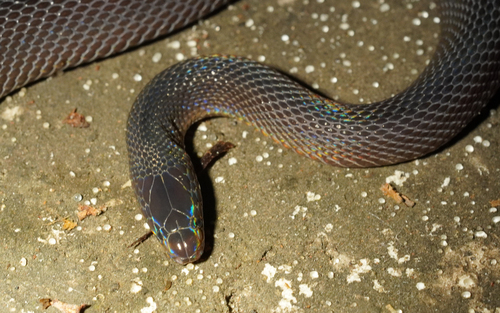 Achalinus panzhihuaensisHarmless
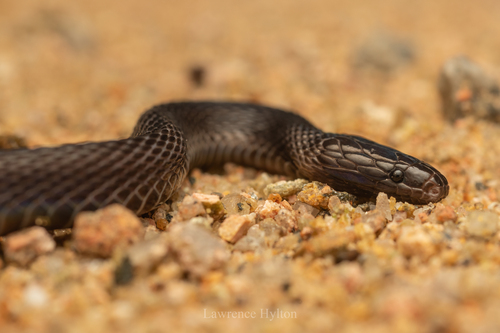 Zong's Odd-scaled SnakeAchalinus jinggangensisHarmless
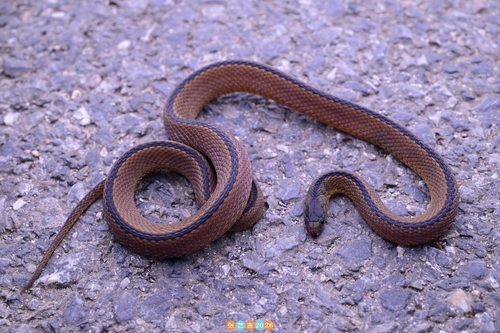 Achalinus dabieshanensisHarmless
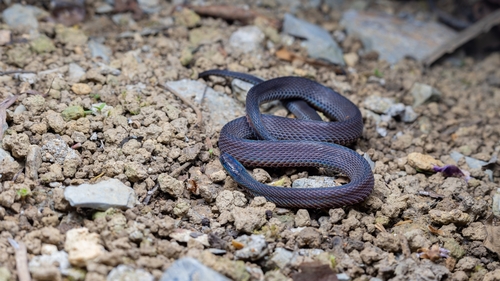 Achalinus yunkaiensisHarmless
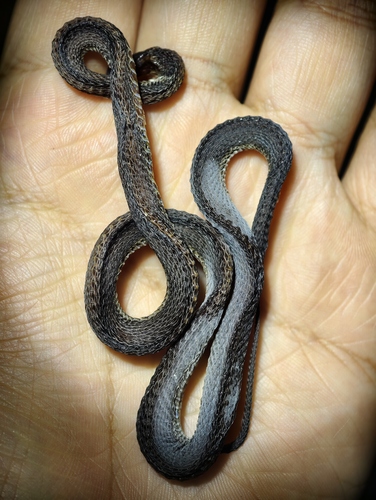 Kuocang Moutain odd-scaled snakeAchalinus mirabilisHarmless
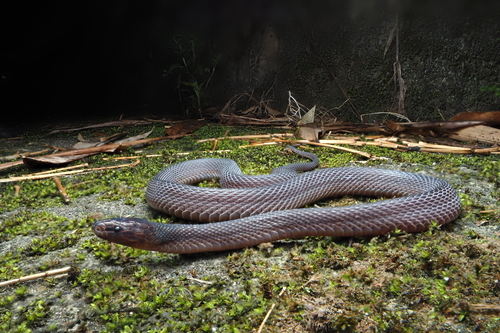 Achalinus hunanensisHarmless
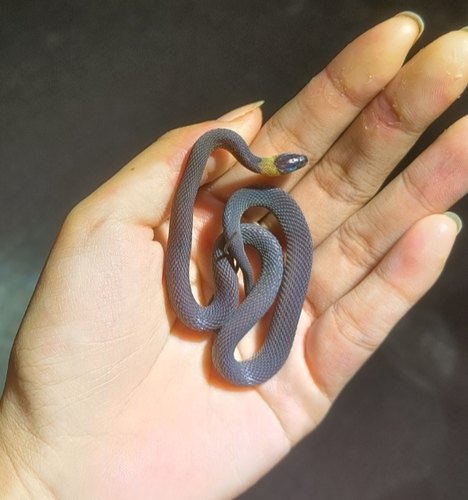 Achalinus jianghuaensisHarmless
- Achalinus quangiHarmless
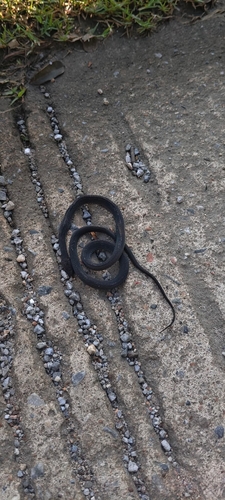 Achalinus vanhoensisHarmless
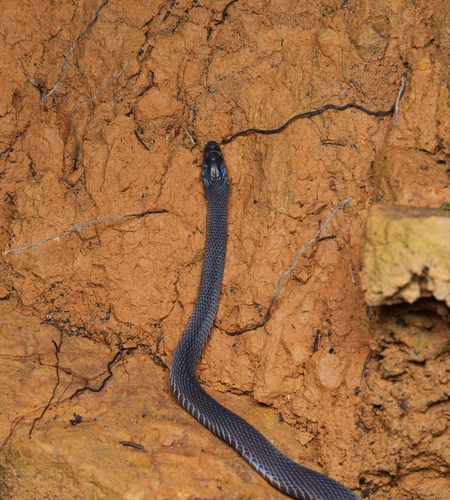 Bourret's Odd-scaled SnakeAchalinus aterHarmless
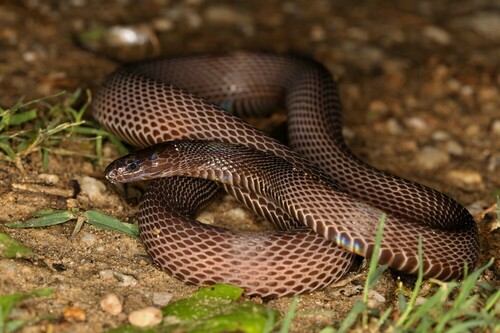 Ha Giang Odd-scaled SnakeAchalinus zugorumHarmless
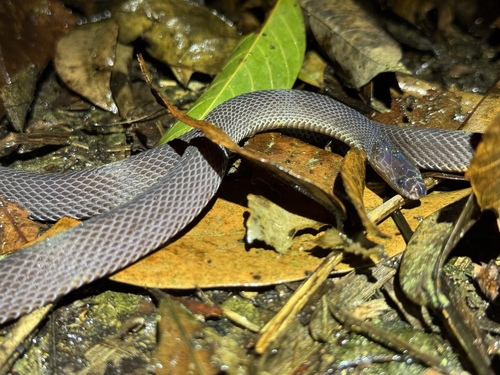 Trang An Odd-scaled SnakeAchalinus tranganensisHarmless
Keep learning
- What Is a Snake? Anatomy and the BasicsA clear overview of what makes a snake a snake: limbless body plan, anatomy, evolution from lizards, species diversity, and why they are ectothermic.
- How Snakes Move, Hunt, and EatHow snakes move without legs, hunt as ambushers or active foragers, kill by constriction or venom, and swallow prey wider than their head.
- What Do Snakes Eat?All snakes are carnivores. Learn what snakes eat, how diet changes with size and age, how often they feed, and how they hunt and swallow prey.
- Venomous vs Nonvenomous: How to Tell the DifferenceThe folk rules for telling venomous snakes apart, where each one fails, and why location-based identification beats guessing by sight.