
Saint Pierre and Miquelon
Snakes in Saint Pierre and Miquelon
2 snake species have been recorded in Saint Pierre and Miquelon, 1 venomous.
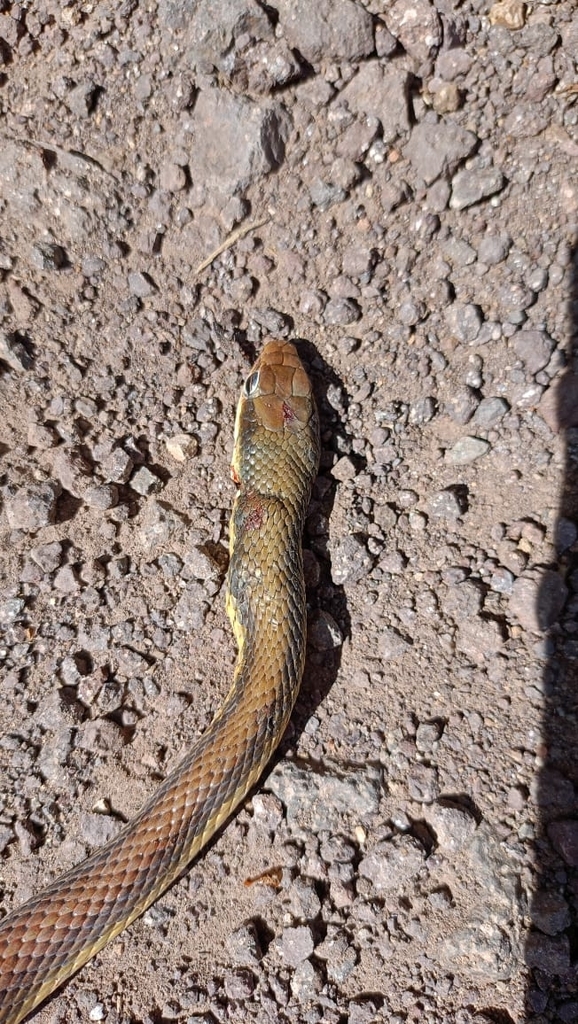
Snakes of Saint Pierre and Miquelon
Saint Pierre and Miquelon is a small French archipelago in the North Atlantic, lying just south of Newfoundland. Our database records 2 snake species for the territory, 1 of which is venomous. The great majority of snake species are non-venomous, and these cold, wind-swept islands are at the far northern edge of where snakes can survive at all. The landscape is shaped by a cool maritime climate, peat bogs, low heath, coastal barrens, and stunted boreal forest, with long winters that limit the active season to a few warmer months. These conditions favor cold-tolerant, ground-dwelling snakes over the heat-loving species found farther south.
The habitats that define the islands also define their snake fauna. Snakes here rely on sunny clearings, rocky south-facing slopes, forest edges, and the margins of ponds and wetlands where small prey concentrates and where basking sites let a cold-blooded animal raise its body temperature. Because the growing season is short and frost arrives early, snakes spend a large part of the year sheltered below the frost line in burrows, rock crevices, or other protected refuges. This narrow window of activity keeps both diversity and population density low compared with warmer regions.
On the question of danger, the honest answer for this far-northern archipelago is that it is essentially free of the dangerous land snakes that concern people elsewhere. The region holds no native medically significant vipers or other highly venomous land snakes of the kind found in warmer parts of the world. A snake recorded as venomous at the northern limits of North America is typically a mildly venomous, rear-fanged colubrid that uses weak saliva to subdue small prey such as amphibians and is not considered a serious threat to humans. There is no need for routine antivenom stocking driven by local snakes, and a person walking the barrens and bogs faces effectively no risk from a venomous snakebite.
The non-venomous majority is the real story of these islands. Hardy, cold-adapted colubrid snakes are the kind of fauna suited to this climate: small to medium ground snakes that hunt earthworms, slugs, amphibians, and the occasional small fish or rodent. They are secretive, more often felt as a quick movement through the heath than seen clearly, and they pose no danger to people. As insect, amphibian, and rodent predators, and as prey for birds and mammals, snakes sit in the middle of the food web. Even at low numbers they help regulate the small animals they eat and feed the predators that eat them, so they are a quiet but real part of the island ecosystem.
Safety here is straightforward because the medical risk from local snakes is minimal. Even so, never handle a wild snake, venomous or not: handling causes most bites, and identification in the field is unreliable. Treat any snake as wildlife to observe from a distance and leave alone. If a bite does occur, or if you are unsure what bit you, the correct response is to seek professional medical evaluation rather than attempting any home remedy. Definitive care for a venomous bite anywhere is hospital treatment, including antivenom when a physician judges it necessary. In the United States you can reach Poison Control at 1-800-222-1222; in this French territory and elsewhere, contact local emergency services without delay.
Snakes in Saint Pierre and Miquelon: FAQ
- Are there venomous snakes in Saint Pierre and Miquelon?
- Yes. 1 venomous snake species has verified records in Saint Pierre and Miquelon, including Tehuantepec Isthmus Neotropical Rattlesnake. Most snakes in Saint Pierre and Miquelon, however, are harmless.
- How many snake species live in Saint Pierre and Miquelon?
- 2 snake species have verified records in Saint Pierre and Miquelon, of which 1 is venomous.
- What is the most commonly seen snake in Saint Pierre and Miquelon?
- The Salvadora gymnorhachis is the most frequently reported snake in Saint Pierre and Miquelon, based on verified wildlife observations.
- What should I do if I see a venomous snake in Saint Pierre and Miquelon?
- Keep your distance and do not try to catch or kill it. Most bites happen when people handle or corner a snake. If someone is bitten, contact local emergency services or poison control immediately.
Venomous snakes in Saint Pierre and Miquelon
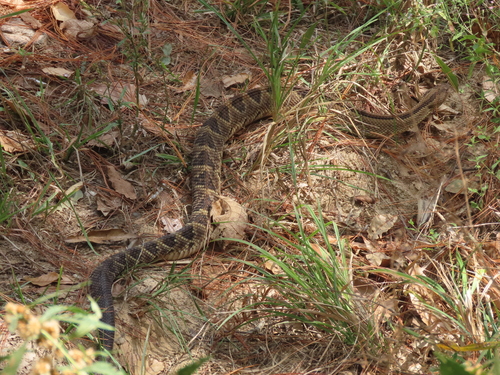 Tehuantepec Isthmus Neotropical RattlesnakeCrotalus ehecatlVenomous
Heavy body, broad triangular head, vertical (cat-like) pupils, and a segmented keratin rattle at the tail tip.
Every snake recorded in Saint Pierre and Miquelon
2 species across 2 families, grouped by family. Venomous flagged.
Colubridae (1)
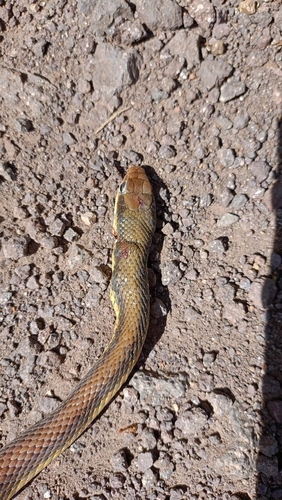
Compiled from verified GBIF & iNaturalist observations. "How often seen" reflects how frequently a snake is reported here, not how dangerous it is. Informational only.
Keep learning
- Are Snakes Dangerous? The Real Risk, in PerspectiveMost snakes are harmless and avoid people. Here is the honest picture of snakebite risk worldwide and how to lower your own.
- Snakebite First Aid: What to Do (and What Never to Do)A clear, CDC-based guide to snakebite first aid: the steps that help, the popular myths that hurt, and how to tell a serious bite from a minor one.
- Venomous vs Nonvenomous: How to Tell the DifferenceThe folk rules for telling venomous snakes apart, where each one fails, and why location-based identification beats guessing by sight.
- What to Do If You Find a SnakeFound a snake at home or on a trail? Here is how to stay calm, give it space, identify it safely, and know when to call a professional.