
Latvia
Snakes in Latvia
2 snake species have been recorded in Latvia, 1 venomous.
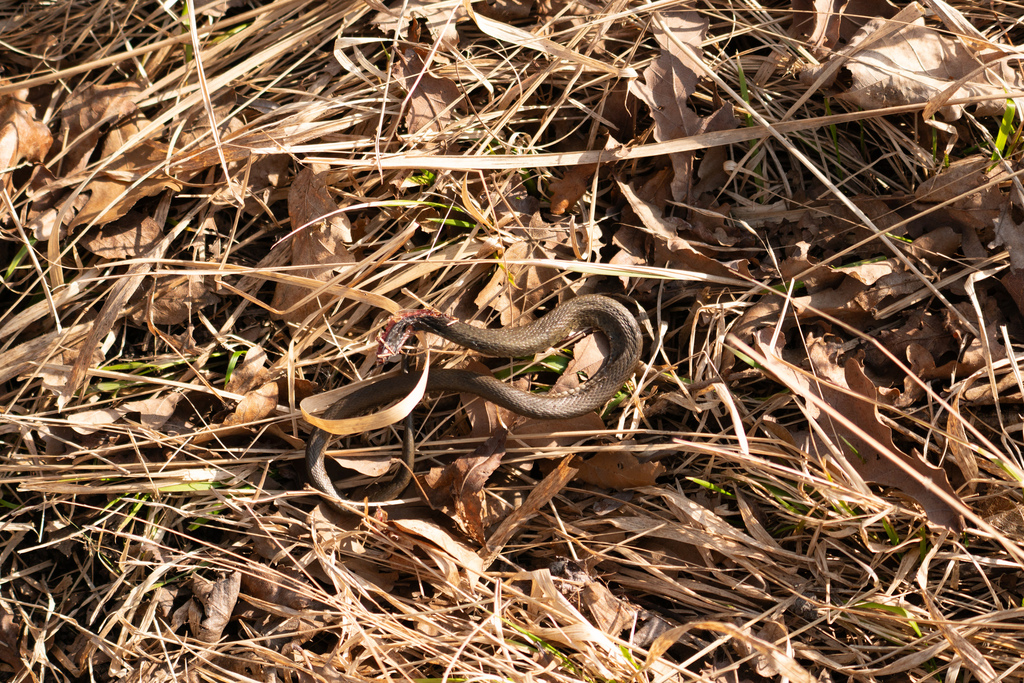
Snakes of Latvia
Latvia is a small, low-lying Baltic country of forests, peat bogs, river floodplains, lakes, and a long stretch of coastline on the Gulf of Riga and the Baltic Sea. Its climate is cool and temperate, with short summers and long, hard winters, so the reptiles that live here are cold-adapted species that spend much of the year hibernating. This northern setting keeps snake diversity low. Latvia has 2 snake species recorded in our database, 1 of them venomous, and the great majority of the country's snake fauna is non-venomous.
The habitats that matter most for Latvian snakes are the edges and openings: sunny forest clearings, heathland, the margins of bogs and wetlands, woodpiles, stone walls, and old field borders where a snake can bask and then retreat to cover. Because the growing season is short, these warm microhabitats are valuable, and snakes concentrate where sun and shelter sit close together. Wet ground, ponds, and slow rivers also support frogs and other prey that snakes rely on.
There is one venomous snake in Latvia, and it belongs to the viper family. This is the kind of viper found across much of northern and central Europe, a relatively small, thick-bodied snake often marked with a dark zigzag pattern down the back. It is shy and not aggressive, preferring to retreat rather than confront, and it accounts for the country's single venomous species. There are no other established groups of dangerous snakes in Latvia.
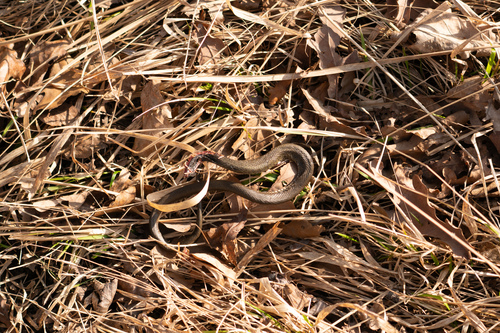
The harmless majority is represented by a non-venomous colubrid, the kind of grass-and-water snake typical of the region. These snakes are not venomous and pose no medical threat. They are strong swimmers, often seen near wetlands and ponds, and they feed largely on amphibians and fish. A snake like this is the one most people encounter in gardens, along waterways, and in damp woodland.
Snakes play a real ecological role in Latvia. They help control populations of small mammals, frogs, and fish, and they are prey for birds and larger predators, so they sit in the middle of the food web. Even where diversity is low, they are part of a healthy temperate ecosystem. On safety: most snakes here are harmless, and the only medical concern is the regional viper. A viper bite is uncommon and rarely life threatening with prompt care, but it should always be treated as a medical emergency. The correct treatment is professional hospital care, including antivenom when a doctor decides it is needed. Never handle a wild venomous snake. If a bite happens, contact local emergency services right away, or in the United States call Poison Control at 1-800-222-1222.
Snakes in Latvia: FAQ
- Are there venomous snakes in Latvia?
- Yes. 1 venomous snake species has verified records in Latvia, including Adder. Most snakes in Latvia, however, are harmless.
- How many snake species live in Latvia?
- 2 snake species have verified records in Latvia, of which 1 is venomous.
- What is the most commonly seen snake in Latvia?
- The Grass Snake is the most frequently reported snake in Latvia, based on verified wildlife observations.
- What should I do if I see a venomous snake in Latvia?
- Keep your distance and do not try to catch or kill it. Most bites happen when people handle or corner a snake. If someone is bitten, contact local emergency services or poison control immediately.
Venomous snakes in Latvia
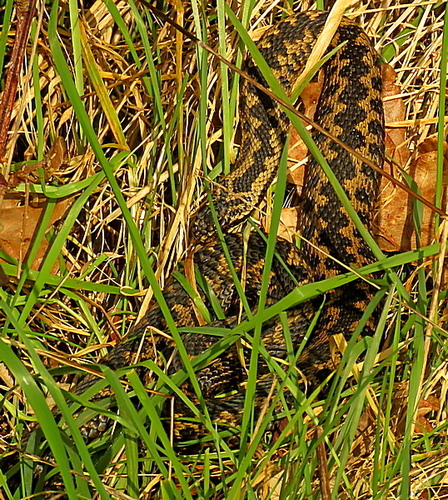
Every snake recorded in Latvia
2 species across 2 families, grouped by family. Venomous flagged.
Colubridae (1)
Viperidae (1)
Compiled from verified GBIF & iNaturalist observations. "How often seen" reflects how frequently a snake is reported here, not how dangerous it is. Informational only.
Keep learning
- Are Snakes Dangerous? The Real Risk, in PerspectiveMost snakes are harmless and avoid people. Here is the honest picture of snakebite risk worldwide and how to lower your own.
- Snakebite First Aid: What to Do (and What Never to Do)A clear, CDC-based guide to snakebite first aid: the steps that help, the popular myths that hurt, and how to tell a serious bite from a minor one.
- Venomous vs Nonvenomous: How to Tell the DifferenceThe folk rules for telling venomous snakes apart, where each one fails, and why location-based identification beats guessing by sight.
- What to Do If You Find a SnakeFound a snake at home or on a trail? Here is how to stay calm, give it space, identify it safely, and know when to call a professional.