
Estonia
Snakes in Estonia
2 snake species have been recorded in Estonia, 1 venomous.
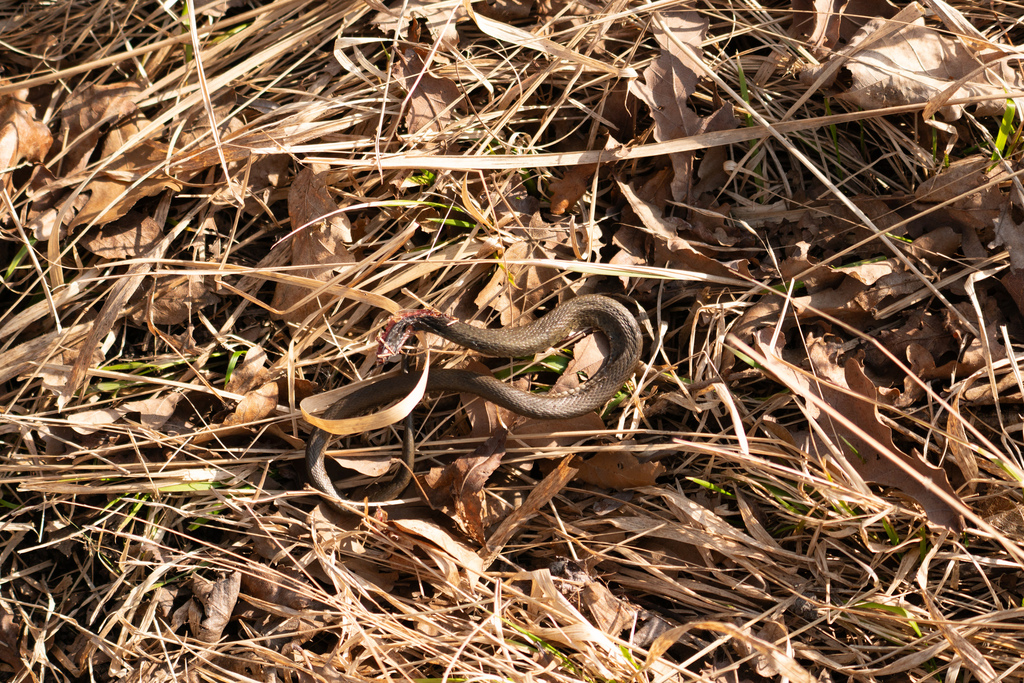
Snakes of Estonia
Estonia is a small, cool-climate country on the eastern shore of the Baltic Sea, and its snake fauna is correspondingly limited. Our database records 2 snake species for the country, of which 1 is venomous. The landscape is a low, flat mosaic of boreal forest, peat bogs, wet meadows, coastal heath, and thousands of lakes and islands. Long, cold winters force every Estonian snake to spend much of the year in hibernation, so the active season is short and concentrated in the warmer months. These conditions favor cold-tolerant, ground-dwelling species rather than the larger diversity found further south in Europe.
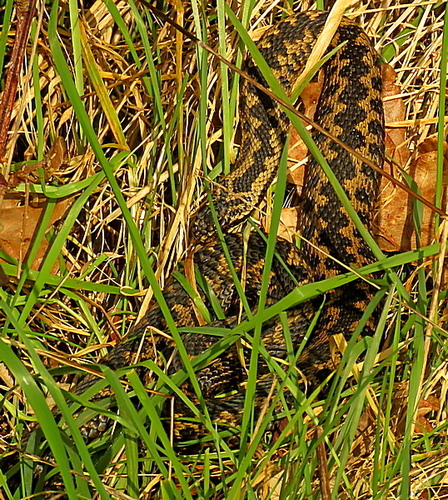
The single venomous snake present in Estonia belongs to the true viper group, the same broad family of short, stout, ambush-hunting vipers found across northern Europe. It is a small-bodied species adapted to cold climates, typically found in bogs, forest edges, clearings, and heathland where it can bask in sunlight. It is not aggressive and relies on camouflage, preferring to stay still or retreat rather than confront people. Bites in Estonia are uncommon and usually happen when a snake is stepped on or handled. There are no large, fast, or highly dangerous snakes in the country.
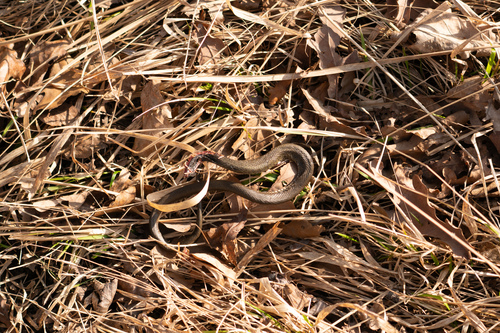
The harmless majority is represented by Estonia's non-venomous snake, a slender, fast-moving species that is completely without venom and poses no danger to people. Non-venomous snakes in this region typically hunt amphibians, fish, small mammals, and insects in and around wetlands, ponds, and damp grassland, and many are strong swimmers. They are shy and quick to flee. For most Estonians and visitors, a snake encounter means a brief glimpse of a harmless animal slipping away into cover.
Snakes play a meaningful ecological role even in a fauna this small. As mid-level predators they help control populations of rodents, amphibians, and invertebrates, and in turn they are prey for birds of prey, foxes, and other carnivores. In Estonia's bog and forest systems, where cold limits the number of reptile species, each species carries real weight in the local food web. Protecting their wetland and woodland habitat keeps these systems balanced.
On safety, the practical picture is reassuring: the great majority of snakes you might meet in Estonia are harmless, and even the one venomous species is shy and avoids people. The main medical concern is a bite from the local viper. If a bite occurs, the correct response is to treat it as a medical emergency and seek professional care immediately, where antivenom and hospital treatment are the established options. Never attempt to handle, catch, or kill a wild venomous snake, and never assume a wild snake is safe to pick up. Do not rely on improvised first aid; contact local emergency services, or in the United States call Poison Control at 1-800-222-1222.
Snakes in Estonia: FAQ
- Are there venomous snakes in Estonia?
- Yes. 1 venomous snake species has verified records in Estonia, including Adder. Most snakes in Estonia, however, are harmless.
- How many snake species live in Estonia?
- 2 snake species have verified records in Estonia, of which 1 is venomous.
- What is the most commonly seen snake in Estonia?
- The Grass Snake is the most frequently reported snake in Estonia, based on verified wildlife observations.
- What should I do if I see a venomous snake in Estonia?
- Keep your distance and do not try to catch or kill it. Most bites happen when people handle or corner a snake. If someone is bitten, contact local emergency services or poison control immediately.
Venomous snakes in Estonia
Every snake recorded in Estonia
2 species across 2 families, grouped by family. Venomous flagged.
Colubridae (1)
Viperidae (1)
Compiled from verified GBIF & iNaturalist observations. "How often seen" reflects how frequently a snake is reported here, not how dangerous it is. Informational only.
Keep learning
- Are Snakes Dangerous? The Real Risk, in PerspectiveMost snakes are harmless and avoid people. Here is the honest picture of snakebite risk worldwide and how to lower your own.
- Snakebite First Aid: What to Do (and What Never to Do)A clear, CDC-based guide to snakebite first aid: the steps that help, the popular myths that hurt, and how to tell a serious bite from a minor one.
- Venomous vs Nonvenomous: How to Tell the DifferenceThe folk rules for telling venomous snakes apart, where each one fails, and why location-based identification beats guessing by sight.
- What to Do If You Find a SnakeFound a snake at home or on a trail? Here is how to stay calm, give it space, identify it safely, and know when to call a professional.