
Belarus
Snakes in Belarus
2 snake species have been recorded in Belarus, 1 venomous.
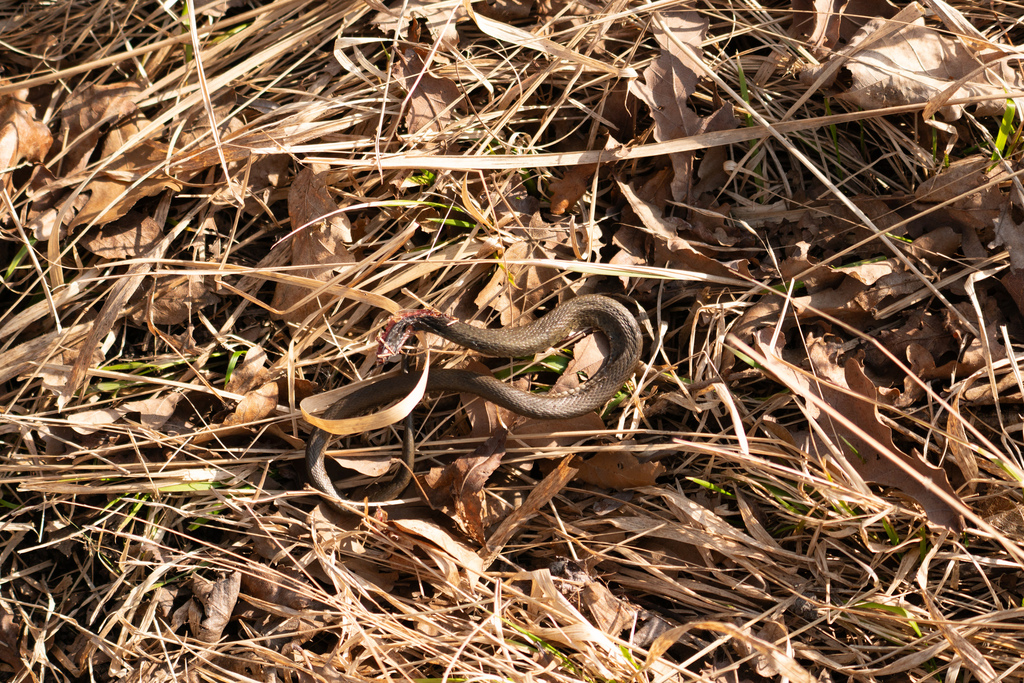
Snakes of Belarus
Belarus is a landlocked country of low plains, broad river valleys, and extensive forest and wetland in the East European mixed-forest belt. Its snake fauna is small, shaped by a continental climate with cold winters that limit reptile diversity to cold-tolerant species. Our database records 2 snake species for Belarus, 1 of them venomous. The country sits within the natural range of only a handful of European snakes, and the great majority of snakes a person might encounter here are not venomous.
The habitats that hold snakes are the ones with cover, prey, and sun. Peat bogs, the famous Polesie marshes, damp meadows, forest edges, riverbanks, and the margins of lakes and ponds give snakes the mix of moisture, basking spots, and amphibian or rodent prey they need. Because winters are long, snakes here spend much of the year hibernating below the frost line and are active mainly from spring through early autumn, when they bask to raise body temperature.
Venomous snakes in Belarus are limited to the viper group. The common European adder, a member of the true viper family, is the country's one medically relevant venomous snake. It is a small, stout, cold-adapted viper that ranges across much of northern and central Europe and tolerates the bog and forest habitats found here. It is not aggressive and bites people only when trodden on, cornered, or handled, but its venom can cause real harm. There are no large or fast-striking venomous snakes in this region, and no sea snakes, since Belarus has no coastline.
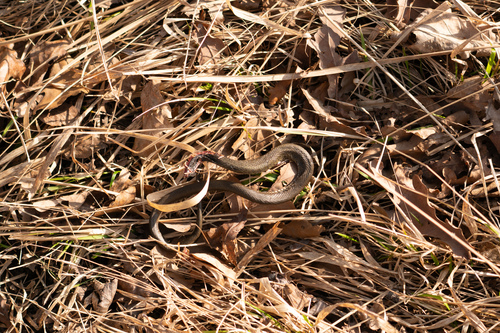
The harmless majority is best represented by the colubrid snakes, with the grass snake being the iconic non-venomous serpent of Belarusian wetlands. Grass snakes are strong swimmers often seen near water, hunting frogs and fish, and are recognized by pale markings behind the head. When threatened they bluff, hiss, or play dead rather than deliver a dangerous bite. These snakes are a normal and beneficial part of the landscape.
Snakes earn their place in this ecosystem. They control rodents and amphibians, and in turn feed birds of prey, storks, and mammals, linking the wetland and forest food webs. Most species you meet in Belarus are harmless. The main medical concern is a bite from the European adder. Treatment for a venomous snakebite is professional medical care at a hospital, where antivenom can be given when needed; it is not something to manage on your own. Never handle a wild snake, even one you believe is harmless, since identification is easy to get wrong. If a bite occurs, seek emergency care immediately by contacting local emergency services, or in the United States Poison Control at 1-800-222-1222.
Snakes in Belarus: FAQ
- Are there venomous snakes in Belarus?
- Yes. 1 venomous snake species has verified records in Belarus, including Adder. Most snakes in Belarus, however, are harmless.
- How many snake species live in Belarus?
- 2 snake species have verified records in Belarus, of which 1 is venomous.
- What is the most commonly seen snake in Belarus?
- The Grass Snake is the most frequently reported snake in Belarus, based on verified wildlife observations.
- What should I do if I see a venomous snake in Belarus?
- Keep your distance and do not try to catch or kill it. Most bites happen when people handle or corner a snake. If someone is bitten, contact local emergency services or poison control immediately.
Venomous snakes in Belarus
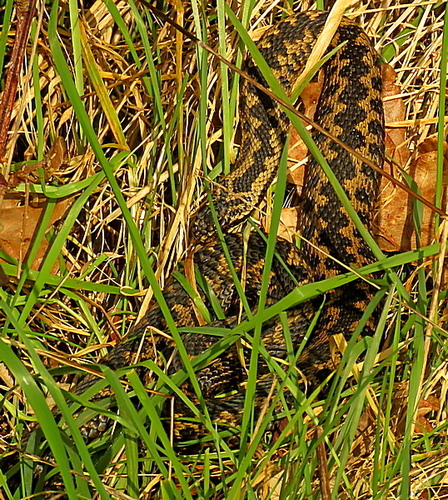
Every snake recorded in Belarus
2 species across 2 families, grouped by family. Venomous flagged.
Colubridae (1)
Viperidae (1)
Compiled from verified GBIF & iNaturalist observations. "How often seen" reflects how frequently a snake is reported here, not how dangerous it is. Informational only.
Keep learning
- Are Snakes Dangerous? The Real Risk, in PerspectiveMost snakes are harmless and avoid people. Here is the honest picture of snakebite risk worldwide and how to lower your own.
- Snakebite First Aid: What to Do (and What Never to Do)A clear, CDC-based guide to snakebite first aid: the steps that help, the popular myths that hurt, and how to tell a serious bite from a minor one.
- Venomous vs Nonvenomous: How to Tell the DifferenceThe folk rules for telling venomous snakes apart, where each one fails, and why location-based identification beats guessing by sight.
- What to Do If You Find a SnakeFound a snake at home or on a trail? Here is how to stay calm, give it space, identify it safely, and know when to call a professional.