
Living with snakes
When Do Snakes Have Babies? Mating and Birthing Season Explained
When do snakes have babies? Most mate in spring and have young in late summer to early fall. The timing, egg-layers vs live-bearers, and when you see them.
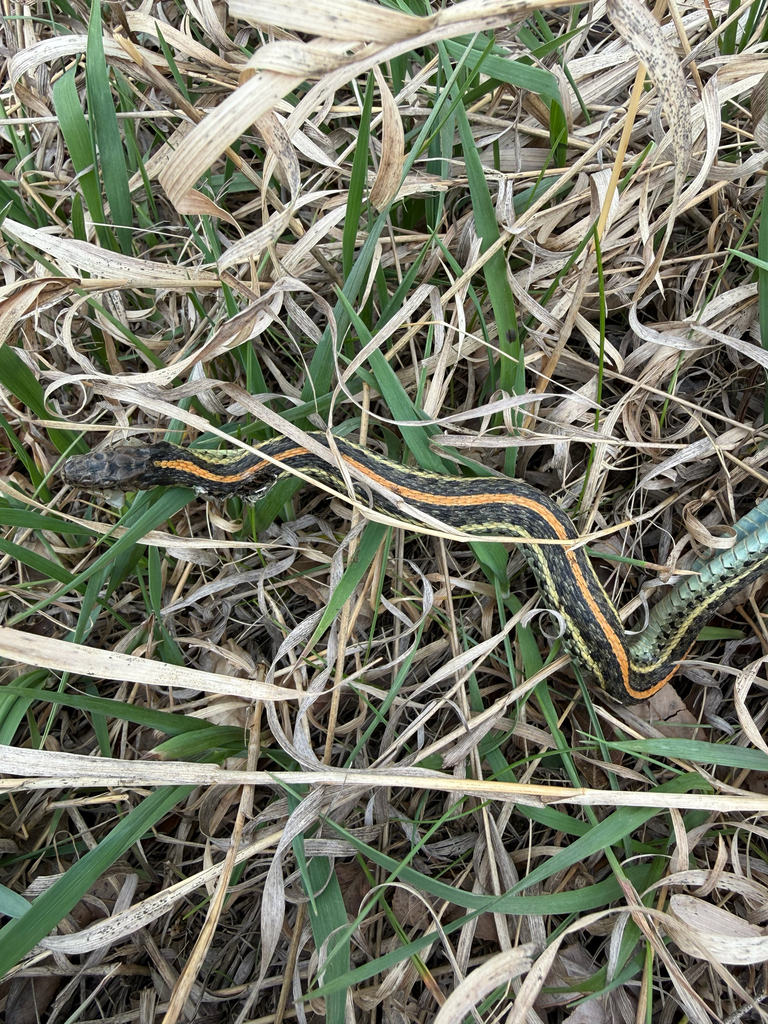
If you suddenly notice several small, thin snakes in late summer, you are probably seeing the season's new arrivals. Most snakes in the United States and Canada follow a predictable yearly cycle: they mate in spring and produce young from mid-summer into early fall. Knowing the timing helps you understand what you are seeing in the yard and why certain weeks bring more snake sightings. Here is how the breeding and birthing season works.
The basic timeline: spring mating, late-summer young
For the majority of temperate-climate snakes, the cycle starts as they emerge from winter dormancy. Mating happens in spring, often in a burst soon after the snakes become active in the warming weeks. After mating, females develop eggs or embryos through the warm months and produce young in late summer, roughly July through September, with exact timing varying by species and region. Warmer southern areas can run earlier and longer; cooler northern areas compress the season.
Egg-layers vs live-bearers
Not all snakes 'have babies' the same way, and this changes when and where you encounter the young.
- Egg-layers (oviparous): most snake species lay eggs, often in early-to-mid summer, hidden in warm, humid, sheltered spots like compost, mulch, rotting logs, or loose soil. The eggs incubate for several weeks and hatch in late summer to early fall.
- Live-bearers (viviparous or ovoviviparous): some groups, including garter snakes, watersnakes, and most North American pit vipers such as rattlesnakes and copperheads, give birth to fully formed young rather than laying eggs, typically in late summer.
- Either way, the result is the same season of new juveniles appearing from roughly late summer into fall.
When you are most likely to see juveniles
Late summer and early fall are peak time for spotting young snakes, because that is when a fresh batch has just hatched or been born and is dispersing to find food and cover. They are small, often more boldly patterned than adults, and on the move, which makes them more noticeable even though they are usually shyer and more vulnerable than grown snakes. A run of juvenile sightings in August or September is a normal seasonal event, not a sign of an infestation.
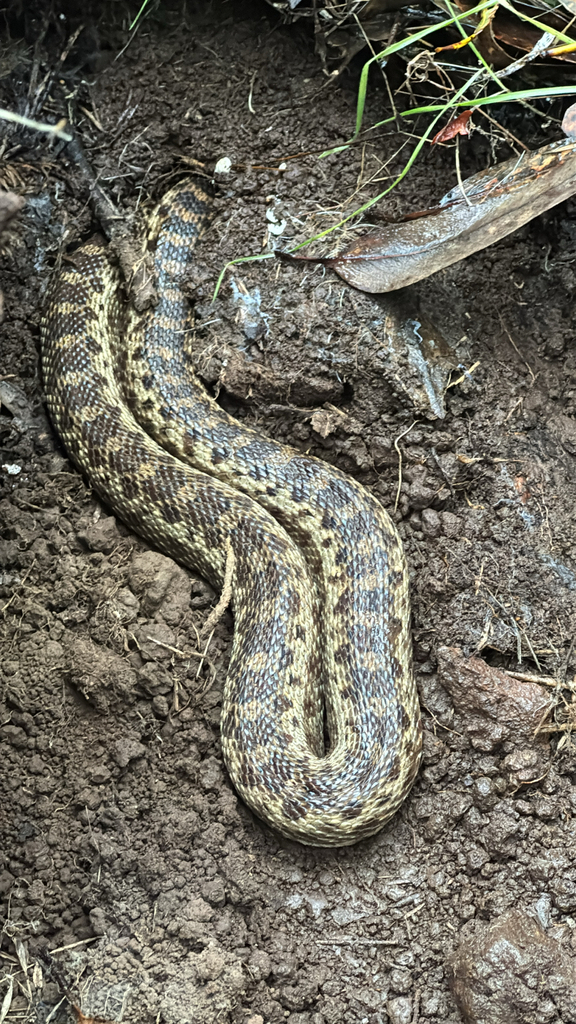
Are baby snakes more dangerous?
A persistent myth holds that baby venomous snakes are more dangerous than adults because they 'cannot control their venom.' This is not accurate. A juvenile venomous snake delivers far less venom than a large adult simply because it is much smaller. That does not mean a young venomous snake is safe to handle, no wild snake is, but it does mean you should not panic at the sight of a small snake. The far more important point is that the overwhelming majority of juveniles you see are harmless species. For a closer look at young snakes, eggs, and how to tell them apart, see our baby snakes and eggs guide.
What this means for your yard
If you want fewer snakes during birthing season, focus on the same fundamentals that work year-round: remove the warm, humid hiding spots where eggs are laid and the cover where young shelter, and control the rodents that feed them.
- Turn or contain compost and mulch piles, common egg-laying sites, and keep them away from the house.
- Clear leaf litter, brush piles, tall grass, and debris where juveniles hide.
- Control rodents and insects, the food that keeps a population growing.
- Seal gaps under sheds, decks, and foundations where snakes shelter and may nest nearby.
For the full prevention approach, see our guides on how to keep snakes away and what attracts snakes, and signs of snakes for what to look for.
If you find young snakes or eggs
A small snake or a clutch of leathery eggs is almost always harmless and, in the case of rodent-eaters, genuinely helpful. Give any snake space and let it move on rather than handling it. To learn which species breed near you, use our identification tool, browse by state and county, or explore the species library. If a snake or nest is somewhere genuinely inconvenient, contact local animal control or a licensed wildlife professional instead of moving it yourself.
So the short answer to when snakes have babies is: mating in spring, young in late summer to early fall, with egg-layers hatching and live-bearers giving birth around the same window. A late-summer wave of small snakes is simply the season doing what it always does.