
Regional guide
Snakes in Arizona: The Rattlesnake Capital and the Coral Snake
A field guide to snakes in Arizona, home to more rattlesnake species than any other U.S. state, plus the Arizona coral snake and harmless desert snakes.
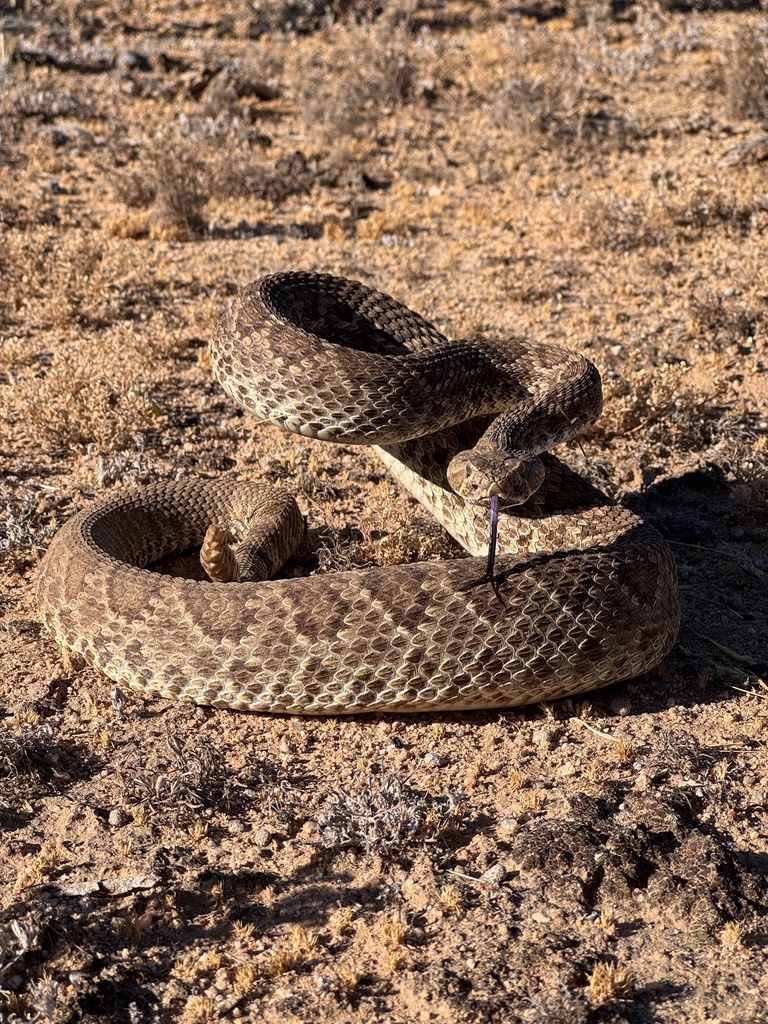
Arizona is the rattlesnake capital of the United States. No other state is home to as many rattlesnake species, a result of the Sonoran Desert, sky-island mountains, and grasslands all packed into one region. The state also has one elapid, the Arizona coral snake, and a long list of harmless desert species that do most of the rodent control.
Because rattlesnakes are so diverse here, this guide focuses on the main venomous snakes in Arizona and the harmless ones most often mistaken for them. For a full county-level breakdown, see the Arizona snake guide.
A State Full of Rattlesnakes
Arizona hosts well over a dozen rattlesnake species, more than anywhere else in the country. They share the pit viper traits of a broad triangular head, vertical pupils, a heat-sensing facial pit, and the keratin rattle at the tail tip. The rattle is a warning, but a rattlesnake will not always sound it before moving, so it is a helpful sign rather than a guarantee.
Western Diamond-backed Rattlesnake
The western diamond-backed rattlesnake is the most commonly encountered rattlesnake in Arizona and is responsible for most serious bites in the state. It is large, found across deserts and grasslands, and stands its ground when threatened. The black and white bands near the tail, just before the rattle, are a useful field mark.
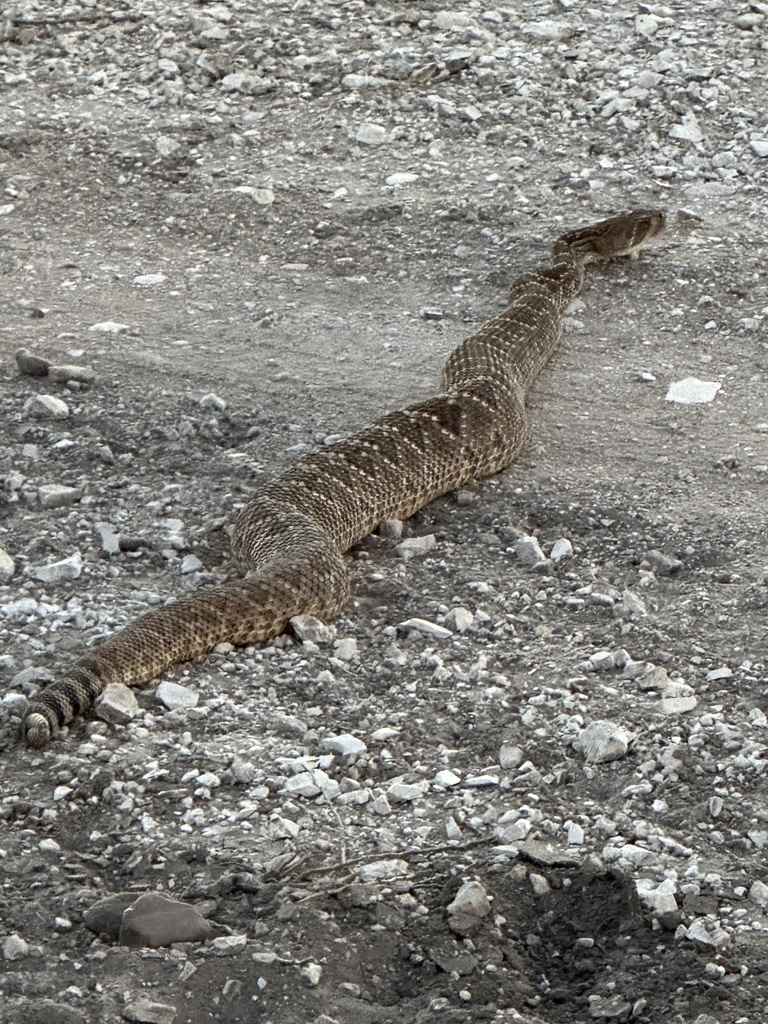
Mojave Rattlesnake
The Mojave rattlesnake inhabits the desert and grassland of southern and western Arizona. It resembles the western diamondback but is known for an especially potent venom that, in many populations, includes strong neurotoxic components in addition to tissue-damaging ones. It is one reason every rattlesnake bite in the state should be treated as a medical emergency.
Other Arizona Rattlesnakes
Beyond the diamondback and the Mojave, Arizona's rattlesnake diversity is remarkable. A few of the others you may encounter include:
- The tiger rattlesnake, a small species of rocky desert with a relatively tiny head and drop-for-drop very toxic venom.
- The sidewinder, a small desert rattlesnake that moves with a distinctive sideways looping motion and has horn-like scales over its eyes.
- The western black-tailed rattlesnake, a mountain and foothill species with a dark tail.
- The southwestern speckled rattlesnake, a rocky-country snake whose color often matches the local stone.
Arizona Coral Snake
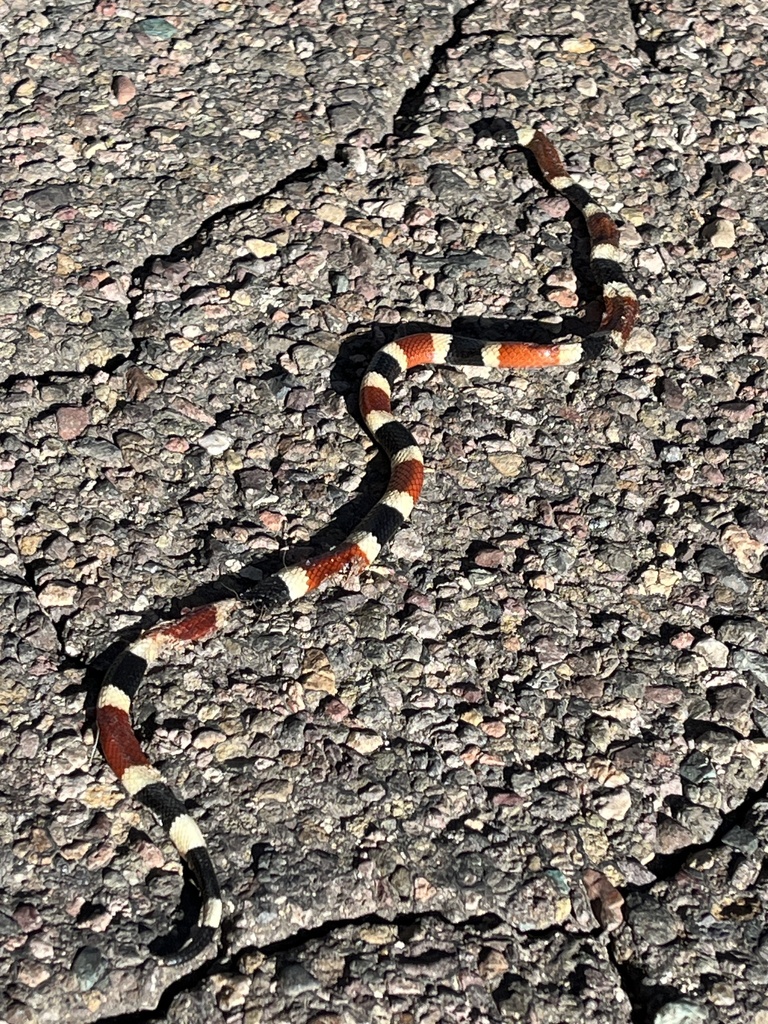
The one venomous snake in Arizona that is not a rattlesnake is the Sonoran coralsnake, often called the Arizona coral snake. It is small, slender, and banded in red, black, and white or yellow, with the red and lighter bands touching. As an elapid relative of cobras, it has neurotoxic venom, but it is secretive, has a small mouth, and almost never bites people. Bites are very rare.
Common Harmless Snakes
Most snakes in Arizona are non-venomous, and several are routinely mistaken for rattlesnakes:
- The gopher snake, which hisses, flattens its head, and vibrates its tail to mimic a rattlesnake, but is harmless and a strong rodent hunter.
- The common coachwhip, a long, fast, slender snake that races across open ground when disturbed.
- The desert kingsnake, which actually preys on rattlesnakes and is immune to their venom.
When Are Arizona Snakes Most Active
Arizona rattlesnakes are most active from spring through fall. In the heat of summer many become nocturnal, hunting and moving on warm evenings and at night to avoid the scorching daytime ground, which is exactly when many bites occur. Spring is another high-encounter time, as snakes emerge from winter dens and bask. During the coldest months they retreat underground and are rarely seen. If you hike, garden, or work outdoors on warm desert evenings, that is when extra caution pays off most.
Staying Safe Around Arizona Snakes
With so many rattlesnakes, Arizona sees its share of bites, but most happen when people try to handle, move, or kill a snake. The simplest prevention is to keep your distance and give any snake room to leave. Watch where you put your hands and feet around rocks, woodpiles, and brush, especially on warm evenings when desert snakes are active, and carry a flashlight after dark.
To see exactly which species live in your county, use the Arizona guide, browse the venomous snakes list, or try the identification tool when you have a photo.