
Keeping snakes
What Do Pet Snakes Eat?
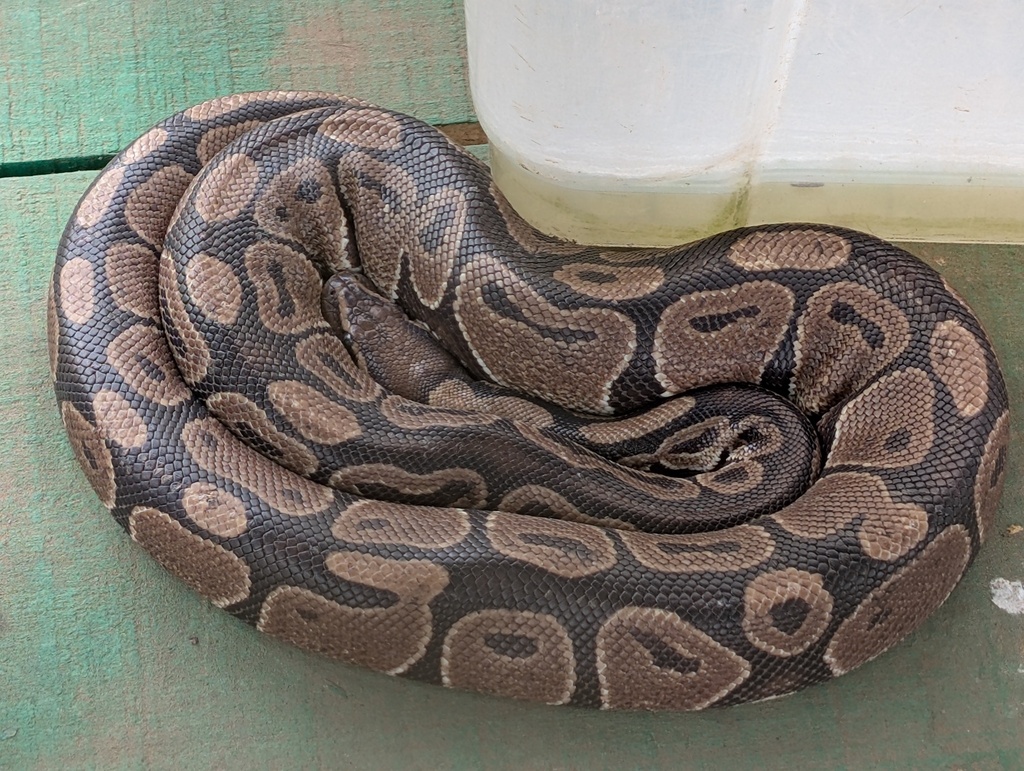
Nearly all pet snakes are obligate carnivores, which means they eat whole prey animals and nothing else. For the common pet species kept in homes, that almost always means rodents such as mice and rats, sized to the snake and offered on a feeding schedule that matches its age and metabolism.
Snakes Are Obligate Carnivores
Every snake is a carnivore. There are no plant-eating snakes, and a pet snake cannot be fed vegetables, fruit, or commercial kibble. Snakes are built to swallow whole prey and digest the entire animal, including bone, organs, and fur, which together supply the calcium, protein, and fat a snake needs. This is why whole prey is the only complete diet and why supplements are rarely necessary for healthy snakes on a proper feeding plan.
Because they eat infrequently and digest slowly, snakes get most of their nutrition from a single, complete meal rather than from grazing across the day. A whole rodent delivers a balanced ratio of muscle, fat, and bone that no homemade mix or processed food can reliably match. Trying to feed a snake anything other than appropriate whole prey leads to malnutrition and serious health problems.
Rodents Are the Staple for Most Pet Snakes
The large majority of pet snakes kept today, including corn snakes, ball pythons, king snakes, milk snakes, and boa constrictors, eat rodents as their primary diet. Mice and rats are the standard because they are nutritionally complete, widely available frozen, and come in a full range of sizes from newborn pinkies up to adult rats. As a snake grows, you simply move it up to larger prey.
Rodent sizes are sold by a common naming system. From smallest to largest these are pinkies (newborn, hairless mice), fuzzies (mice with light fur), hoppers (juvenile mice), and adult mice, then rat pups, weanlings, and adult rats for larger snakes. Matching the right size to your snake is the single most important part of feeding, which the next section covers.
Diets Beyond Rodents
Not every species eats rodents. Some snakes are dietary specialists, and feeding them the wrong prey causes them to refuse food or decline in health. Garter snakes commonly eat fish, earthworms, and amphibians, and many do well on a mix of nightcrawlers and feeder fish, though some fish species contain an enzyme that destroys vitamin B1 and should be limited or avoided. Hognose snakes often prefer amphibians in the wild but can usually be kept on appropriately sized mice in captivity, sometimes scented to encourage feeding.
A few species eat other prey types entirely. Egg-eating snakes feed on bird eggs, and rough green snakes eat insects such as crickets and soft-bodied invertebrates. Before bringing home any snake, confirm exactly what that species eats and whether you can source that food reliably. The single most common mistake new keepers make is assuming every snake will take a mouse.
How Often Pet Snakes Eat
Snakes eat far less often than mammals because their metabolism is slow and a single whole-prey meal lasts a long time. Feeding frequency depends mostly on age and size. Hatchlings and juveniles are growing fast and typically eat every five to seven days. Sub-adults usually eat every seven to ten days, and full-grown adults of many species do well on a meal every ten to fourteen days, with some large constrictors going even longer.
Resist the urge to overfeed. Obesity is one of the most common health problems in captive snakes and is caused by feeding too often or feeding prey that is too large. A snake that is gaining weight steadily, defecating normally, and shedding cleanly is being fed correctly. If you are unsure, a reptile veterinarian or a species-specific care guide can confirm the right interval for your animal.
Prey Size and Frozen Versus Live
The general rule for prey size is that the prey should be roughly as wide as the widest part of the snake's body, or slightly smaller. Prey that is too large can cause regurgitation or refusal, while prey that is far too small will not provide enough nutrition. As the snake grows you step up to the next prey size rather than feeding several small items at once.
Most keepers and veterinarians recommend feeding frozen-thawed prey rather than live. Frozen prey is safer because a live rodent can bite and seriously injure a snake, it is more convenient to store, and it carries less risk of parasites. Always thaw frozen prey fully and warm it to roughly body temperature before offering it, since snakes detect warmth and may ignore cold food. Never microwave prey, and never leave a live rodent unattended in the enclosure.
Safe Feeding Practices
Handle feeding hygienically. Wash your hands before and after, since rodents can carry Salmonella, and never thaw prey on surfaces you prepare your own food on. Offer prey with long feeding tongs rather than your fingers so the snake learns to associate the tongs, not your hand, with food. Give your snake quiet time to digest after a meal and avoid handling it for a day or two, as stress can cause regurgitation.
If a snake refuses food, do not panic. Many healthy snakes, especially ball pythons, go off food during shedding, breeding season, or seasonal cooling, and a missed meal or two is usually normal. Remove uneaten prey, recheck enclosure temperatures, and try again in several days. If refusal continues for weeks, if the snake is losing noticeable weight, or if it regurgitates repeatedly, contact a reptile veterinarian rather than forcing the issue.
Frequently asked
- Can pet snakes eat anything besides rodents?
- It depends on the species. Most popular pet snakes eat mice and rats, but garter snakes eat fish and worms, egg-eating snakes eat bird eggs, and rough green snakes eat insects. Always confirm what your specific species eats before you buy it.
- How long can a pet snake go without eating?
- Healthy adult snakes can safely skip meals for weeks, and refusals during shedding, breeding season, or cooler months are common. A missed meal or two is usually not a concern, but ongoing refusal combined with weight loss warrants a reptile veterinarian.
- Should I feed my snake live or frozen prey?
- Frozen-thawed prey is generally recommended. It is safer because live rodents can bite and injure a snake, it stores easily, and it carries less parasite risk. Thaw it fully and warm it to about body temperature before offering.
- What size prey should I feed my snake?
- As a rule, prey should be about as wide as the widest part of your snake's body or slightly smaller. Step up to larger prey as the snake grows rather than feeding several small items at once.
- How often should I feed a pet snake?
- It varies by age. Hatchlings and juveniles usually eat every five to seven days, sub-adults every seven to ten days, and adults every ten to fourteen days. Overfeeding causes obesity, so match the interval to your snake's age and species.
Last reviewed June 22, 2026. Informational only, and not a substitute for professional medical or wildlife advice.