
Keeping snakes
Best Pet Snakes for Beginners
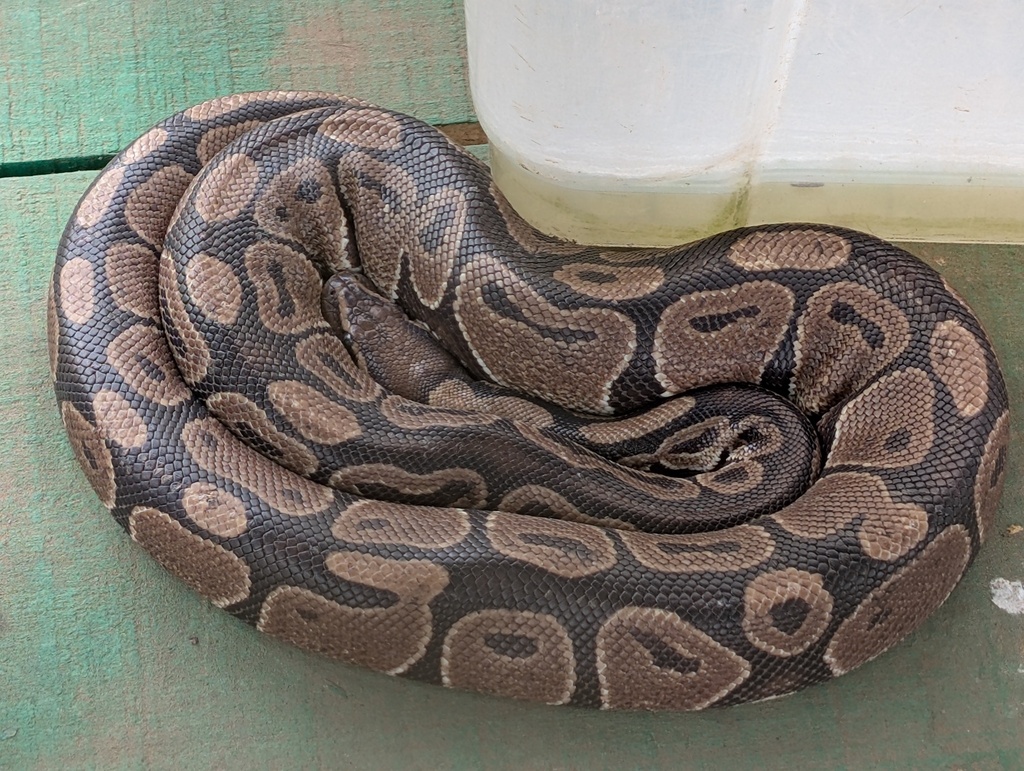
A good first snake is calm, stays a manageable size, eats reliably, and tolerates a simple, stable enclosure. The species below are the ones experienced keepers and herpetologists point new owners toward because they forgive small mistakes and rarely surprise you. This guide ranks the top choices, explains what makes a snake beginner friendly, and flags the species and situations a first-time keeper should skip.
What makes a snake good for beginners
Beginner suitability comes down to a few traits that reduce the chance of a stressed animal or a discouraged keeper. The ideal first snake stays under about 5 feet, has a docile temperament, accepts pre-killed frozen-thawed rodents without fuss, and thrives in a basic setup that holds steady temperature and humidity. Hardiness matters too: a forgiving species tolerates the minor husbandry errors almost every new keeper makes in the first year.
Equally important is what you can commit to. Snakes are long-lived. Many of the species below routinely reach 15 to 30 years in captivity, so a first snake is a multi-decade commitment, not a casual purchase. Choose a captive-bred animal from a reputable breeder or rescue rather than a wild-caught one. Captive-bred snakes are calmer, parasite-free, already feeding on frozen-thawed prey, and you are not removing an animal from a wild population.
Corn snake: the classic first snake
The corn snake (Pantherophis guttatus) is the species most herpetologists recommend to a first-time keeper, and for good reason. Adults reach roughly 3 to 5 feet, stay slender, and are alert but reliably gentle once they settle. They are escape artists, so a secure, well-clipped lid is non-negotiable, but otherwise their care is forgiving and well documented.
Corn snakes tolerate a wide range of conditions, feed eagerly on appropriately sized frozen-thawed mice, and come in a huge variety of color morphs. A 20-gallon long tank or equivalent suits an adult, with a warm side around 85 to 88 degrees Fahrenheit, a cooler side near 75, two hides, and fresh water. Their easygoing nature and low cost make them the default recommendation for someone keeping a snake for the first time.
Ball python: docile but quirky about food
The ball python (Python regius) is the most popular pet snake in the world. It is heavy-bodied but compact, with adults typically 3 to 5 feet, and famously docile, often curling into a ball rather than acting defensively. Its calm temperament makes it pleasant to handle and a strong beginner option for someone who wants a thicker-bodied snake than a corn.
The one caveat is feeding. Ball pythons are notorious for going off food, sometimes for weeks or months, especially when stressed, during winter, or after a move. A healthy adult can fast for extended periods without harm, but this unnerves new keepers. They also need higher humidity, around 55 to 65 percent, and a warm side near 88 to 92 degrees Fahrenheit. If you can stay patient with the occasional hunger strike and monitor humidity, the ball python is an excellent and rewarding first snake.
Other strong beginner options
The California kingsnake (Lampropeltis californiae) is hardy, active, and a reliable eater that rarely refuses food, which makes it less stressful than a ball python on the feeding front. Adults reach 3 to 4 feet. Kingsnakes can be nippy as young animals and are known to eat other snakes, so they must always be housed alone, but they tame down with regular gentle handling and forgive husbandry mistakes well.
Rosy boas (Lichanura trivirgata) and sand boas (Eryx species) are smaller, slow-moving, and exceptionally docile, usually staying under 3 feet, which suits keepers wanting a compact snake or limited space. Garter snakes (Thamnophis species) are another option and are widely available captive-bred, though they are faster, may musk when startled, and many feed on fish or worms, which changes the feeding routine. Any of these is a sound choice when sourced captive-bred.
Basic setup and feeding for a first snake
Every beginner snake needs a secure enclosure sized to the adult animal, a temperature gradient, two hides (one on the warm side and one on the cool side), a water bowl large enough to drink from, and appropriate substrate such as aspen for corn snakes and kingsnakes or coconut fiber for humidity-loving species. Provide heat with a thermostat-controlled under-tank heater or overhead source, and verify temperatures with a digital thermometer rather than guessing. A reliable thermostat prevents the burns and overheating that cause many beginner losses.
Feed appropriately sized frozen-thawed rodents, generally prey about as wide as the thickest part of the snake. Thaw frozen prey fully and warm it to body temperature before offering; never feed live rodents if you can avoid it, since a live mouse can injure or kill your snake. Hatchlings eat every 5 to 7 days and adults every 7 to 14 days depending on species and size. Keep handling brief in the first week while the snake acclimates, and do not handle for 24 to 48 hours after a meal to avoid regurgitation.
Snakes and situations to avoid as a beginner
Skip large constrictors entirely as a first snake. Boa constrictors, Burmese pythons, reticulated pythons, and similar species grow long and powerful, require large custom enclosures, and a fully grown large constrictor can pose a genuine physical danger and should be handled with a second person present. They are intermediate-to-advanced animals, and some are restricted or illegal to own in certain states and municipalities, so always check local law before acquiring any snake.
Never keep a venomous snake as a beginner, and never attempt to handle a wild venomous snake. Venomous species are for trained, permitted keepers only, and many jurisdictions ban private ownership outright. Likewise, avoid wild-caught animals of any species; they are often stressed, carry parasites, and may refuse to feed. If you are ever bitten by a snake you cannot positively identify as harmless, or by any venomous snake, treat it as a medical emergency: call your local emergency number or US Poison Control at 1-800-222-1222 right away, keep the affected limb still, and do not attempt to cut, suck, or apply a tourniquet.
Frequently asked
- What is the single best snake for a first-time owner?
- The corn snake is the most widely recommended first snake. It stays a manageable size, has a gentle temperament, feeds reliably on frozen-thawed mice, and tolerates a simple setup, which forgives the small mistakes new keepers tend to make.
- How long do pet snakes live?
- Most beginner species are long-lived. Corn snakes and kingsnakes often reach 15 to 20 years, and ball pythons can live 20 to 30 years or more in captivity. A first snake is a multi-decade commitment, so plan accordingly.
- Do beginner snakes need to eat live mice?
- No, and you should avoid live prey when possible. Captive-bred beginner snakes readily take frozen-thawed rodents that are fully thawed and warmed to body temperature. A live rodent can bite and seriously injure your snake, especially if left unsupervised.
- How big a tank does a first snake need?
- It depends on the species. An adult corn snake or kingsnake does well in a secure 20-gallon long or larger enclosure with a temperature gradient, two hides, and a water bowl. Always size the enclosure to the adult animal and make sure the lid latches securely, since snakes are skilled escape artists.
- Should I buy a wild-caught or captive-bred snake?
- Always choose captive-bred. Captive-bred snakes are calmer, free of the parasites common in wild animals, already feeding on frozen-thawed prey, and buying them does not remove an animal from a wild population. Source from a reputable breeder or a reptile rescue.
Last reviewed June 22, 2026. Informational only, and not a substitute for professional medical or wildlife advice.