
Keeping snakes
Are Snakes Good Pets? Best Beginner Species and Care Basics
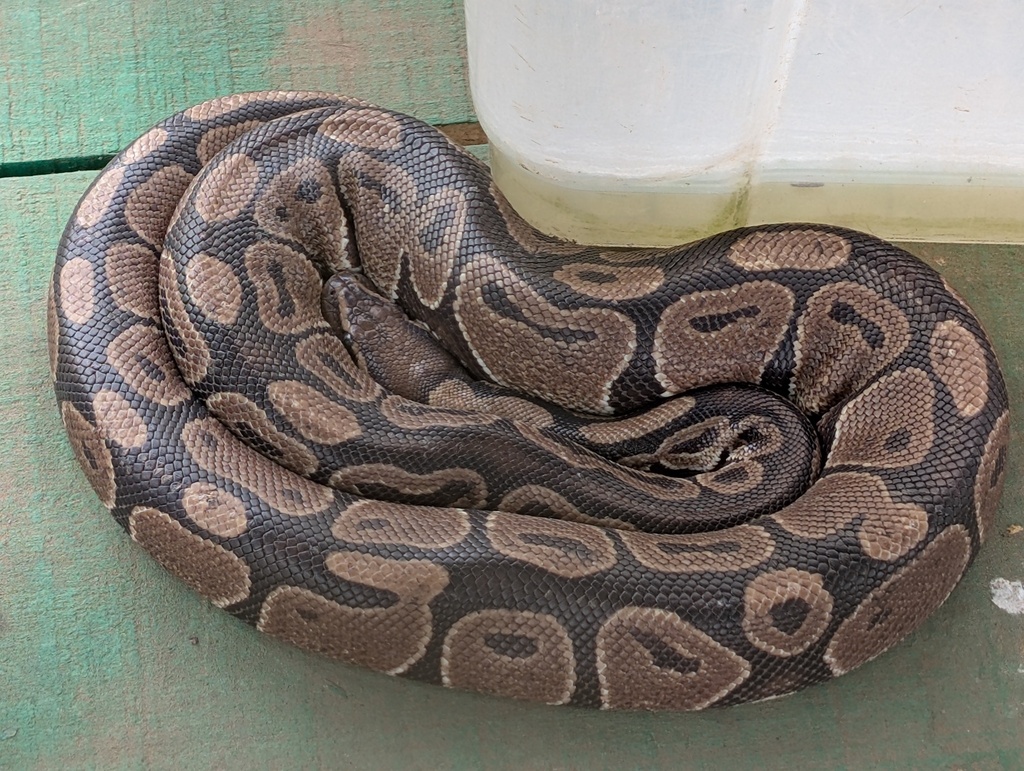
Snakes can make excellent pets for the right person. They are quiet, odorless when kept clean, need only weekly to biweekly feeding, and take up little space. The catch is that a snake is a long commitment: many common pet species live 15 to 20 years, and some reach 30 or more. Going in informed about species, housing, sourcing, and local law is what separates a healthy, long-lived animal from a problem you regret.
Who a pet snake actually suits
A snake suits someone who wants a low daily-maintenance animal rather than an interactive one. You are not walking it, training it, or playing with it. Most of the work is keeping a stable enclosure, feeding on a schedule, and occasional gentle handling. If you want affection and constant engagement, a snake is the wrong choice.
The real cost is time, not effort. Because many species live two decades or longer, you are signing up for years of consistent care, vet access, and a plan for who takes the animal if your life changes. Treat the lifespan figures as ranges and assume the long end. People who do best with snakes are patient, observant, and comfortable feeding dead rodents.
Snakes are also a poor fit for homes that cannot guarantee a secure setup. They are strong, persistent escape artists, and a loose snake is stressful for everyone and dangerous for the animal.
Best beginner species and why
Corn snake: the most widely recommended starter snake. It stays a manageable size, is docile, tolerates handling well, eats readily, and is hardy. Captive breeding has produced many color morphs, so availability is excellent.
Ball python: calm, slow-moving, and forgiving of beginner handling. Adults stay moderate in size. The main quirk is that they can be picky eaters and may refuse food for stretches, so a keeper needs patience and a proper setup to support appetite.
California kingsnake: hardy, active, and a reliable feeder. They can be a bit more food-motivated and nippy as juveniles, but they tame down with regular gentle handling and are very durable.
Rosy boa: small, slow, exceptionally docile, and undemanding. A good pick for someone who wants a calm snake that stays compact and is comfortable to hold.
Gopher snake: alert and active, larger than the others on this list but still beginner-friendly. They may bluff and hiss when nervous, but they are non-venomous, hardy, and calm down with handling. All of these are easy to find captive-bred, which matters more than the specific pick.
Species to avoid as a beginner
Large constrictors are not starter animals. Burmese pythons and reticulated pythons can exceed lengths that make them dangerous to handle alone and impractical to house. They demand specialized enclosures, careful feeding protocols, and a second person present for handling. Many jurisdictions restrict or ban them outright.
No venomous snake belongs in a hobbyist collection. Rattlesnakes, cobras, vipers, and the like require antivenom access, specialized equipment, permits, and training. A bite can be lethal, and keeping them is illegal in many places. There is no responsible beginner path into venomous keeping.
Also skip species known to be high-strung or difficult feeders until you have experience. Start with a hardy, even-tempered, captive-bred animal and grow your skills before considering anything more demanding.
Housing: enclosure, security, and the thermal gradient
Use an appropriately sized enclosure for the species and the snake's adult size, not just its current size. The single most important feature is that it be fully escape-proof. Snakes test every seam, lid, and gap, so a secure locking lid or doors with no openings wider than the snake's head is essential.
Provide a thermal gradient: a warm side and a cooler side so the snake can regulate its own body temperature by moving between them. Snakes are ectotherms and rely on this. Use a thermostat-controlled heat source and verify temperatures at both ends with thermometers. Target ranges differ by species, so look up the numbers for the snake you keep rather than guessing.
Add at least two hides, one on the warm side and one on the cool side, so the snake feels secure at any temperature. A snake without enough cover gets stressed and may stop eating. Include appropriate substrate, and avoid loose materials that can be ingested with prey or cause impaction for that species.
Humidity, water, and a clean habitat
Maintain the humidity range for your species, measured with a hygrometer. Too little humidity causes incomplete sheds and dehydration; too much, with poor airflow, invites scale rot and respiratory infection. Adjust with substrate choice, water bowl placement, and light misting as needed.
Always provide fresh, clean water in a bowl large enough for the snake to drink from and, for many species, to soak in. Change it whenever it is soiled and clean the bowl regularly.
Spot-clean waste promptly and do a full substrate change on a regular schedule. A clean enclosure is the simplest way to prevent most husbandry-related illness, and snakes have little to no odor when kept this way.
Feeding: frozen-thawed prey on a schedule
Feed appropriately sized rodents, generally prey no wider than the widest part of the snake. The standard and safest practice is frozen-thawed rather than live. Frozen-thawed avoids the risk of a live rodent biting and injuring your snake, it is more humane, and it is easier to store and source.
Thaw prey fully and warm it to roughly the rodent's body temperature before offering it, never in a microwave. Feed on a schedule that fits the snake's age and species: hatchlings and juveniles eat more often than adults, and feeding intervals commonly range from every several days for young snakes to every one to two weeks or longer for adults.
Do not handle a snake right after it eats. Give it 24 to 48 hours to digest, since handling too soon can cause it to regurgitate. Track feedings and weights so you notice changes in appetite early.
Handling gently and reading stress
Once a new snake is settled and feeding reliably, handle it gently and regularly to build tolerance, but keep sessions short at first. Support the body fully and never grab the head or pull at the snake. Calm, predictable movements lower stress for both of you.
Avoid handling right after feeding, during a shed when vision is impaired and the animal is defensive, and when the snake shows clear stress signals. Wash your hands before and after, both to avoid transferring food smells that trigger a feeding response and for general hygiene, since reptiles can carry Salmonella.
Learn your individual animal's normal behavior. A snake that suddenly hides constantly, refuses food, or acts defensively is telling you something about its environment or health.
Legality, ethics, and responsible sourcing
Check your local laws before acquiring any snake. Rules vary by country, state, and even city, and some species require permits or are banned entirely. Confirm what is legal where you live and obtain any permits before you buy.
Never release a pet snake into the wild. It is illegal in many places, the animal usually suffers or dies, and non-native snakes that do survive can become invasive and harm local ecosystems. If you can no longer keep your snake, rehome it through a reputable rescue, breeder, or herpetological society.
Buy captive-bred, not wild-caught. Captive-bred animals are healthier, better adjusted to captivity, less likely to carry parasites, and they put no pressure on wild populations. A responsible breeder or established shop should be transparent about the animal's origin, age, and feeding history.
Signs you should see a reptile vet
Establish care with a qualified reptile or exotics veterinarian before you have an emergency, and consider a wellness check after acquiring a new animal. Not every general-practice vet treats snakes, so find one in advance.
Seek a vet if you notice prolonged refusal to eat beyond what is normal for the species and season, noticeable weight loss, or lethargy. Respiratory signs such as open-mouth breathing, wheezing, mucus, or bubbling around the nose or mouth warrant prompt attention.
Other red flags include repeated incomplete or stuck sheds, retained eye caps, mouth swelling or discharge that can indicate mouth rot, discolored or rotting scales, visible mites, unusual lumps, regurgitation of meals, or abnormal stool. When in doubt, call the vet. Reptiles hide illness, so early signs are worth taking seriously.
Frequently asked
- How long do pet snakes live?
- It depends on the species, but many common pet snakes live 15 to 20 years, and some reach 30 or more with good care. Plan for the long end of the range before committing.
- What is the single best beginner snake?
- The corn snake is the most commonly recommended first snake because it stays a manageable size, is docile, feeds reliably, and is hardy. Ball pythons, California kingsnakes, rosy boas, and gopher snakes are also solid beginner choices.
- Do I have to feed live mice?
- No, and you generally should not. Frozen-thawed rodents are safer because a live rodent can bite and injure your snake, and frozen-thawed is more humane and easier to source and store. Thaw and warm the prey before offering it.
- Are pet snakes dangerous?
- Common beginner species are non-venomous and pose little risk beyond an occasional defensive bite that is minor. The danger comes from keeping venomous snakes or large constrictors, which beginners should avoid entirely. Wash your hands after handling, since reptiles can carry Salmonella.
- Can I let my snake go outside if I can no longer keep it?
- Never release a pet snake into the wild. It is often illegal, the animal usually does not survive, and released non-native snakes can become invasive. Rehome through a reputable rescue, breeder, or herpetological society instead.
- How often should I handle my snake?
- After the snake is settled and feeding reliably, short regular sessions build tolerance. Avoid handling for 24 to 48 hours after a meal, during a shed, or when it shows stress, and always support the body fully.
Last reviewed June 22, 2026. Informational only, and not a substitute for professional medical or wildlife advice.