
Keeping snakes
How to Set Up a Snake Enclosure
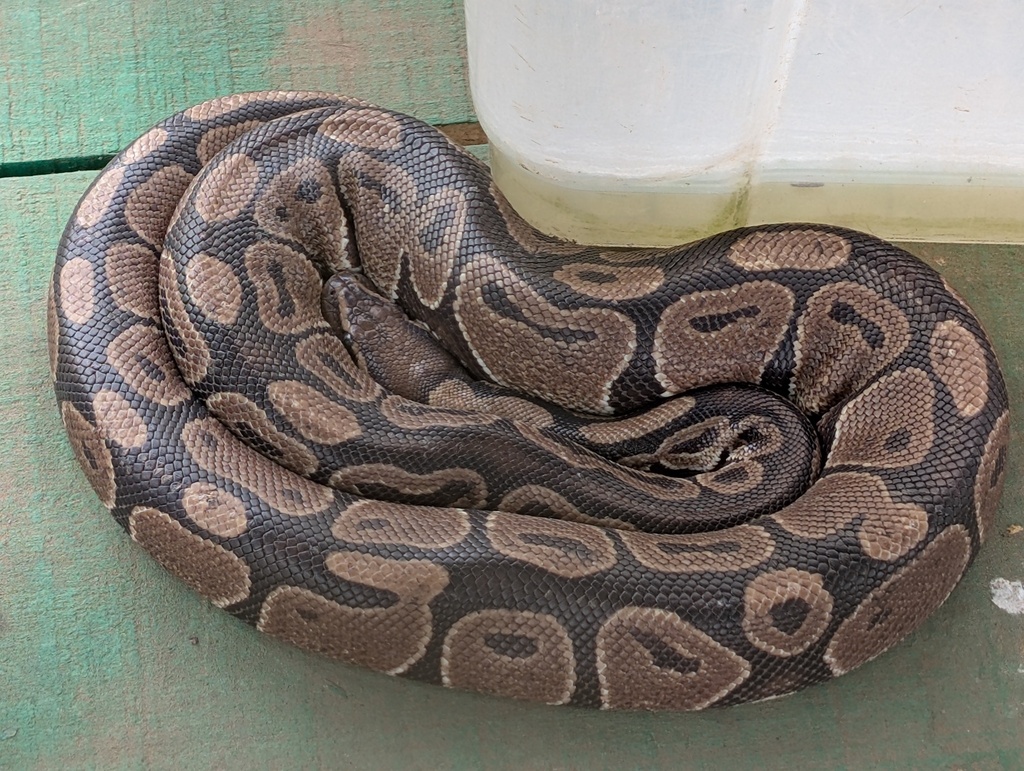
A correctly set up enclosure is the single biggest factor in a pet snake's long-term health. Most husbandry problems, including respiratory infections, refused meals, and stress, trace back to wrong temperatures, poor humidity, or a tank the snake can escape. This guide walks through choosing the enclosure, building the heat gradient, dialing in humidity, and getting everything stable before the snake ever goes in.
Choose the Right Enclosure Type and Size
Snakes are kept in glass terrariums, sealed PVC reptile cages, or front-opening vivariums. PVC enclosures hold heat and humidity far better than glass and are the standard recommendation for most species, especially humidity-dependent ones like ball pythons and boas. Glass tanks with screen tops lose heat and moisture quickly, so they suit drier species or require extra effort to seal and insulate. Whatever the material, the enclosure must lock or latch securely, because snakes are persistent and will push at any loose lid or gap.
Size depends on the species and the adult size of the animal, not the size of the hatchling you buy. A common rule of thumb for terrestrial snakes is that the enclosure length plus width should at least equal the snake's total length, giving it room to stretch out fully. A 4 to 5 foot snake such as an adult ball python or corn snake typically needs a 4 foot long enclosure (often listed as 120 gallons or a 4 by 2 by 2 foot PVC cage). Arboreal species need more vertical height and sturdy branches instead of floor space.
Build a Temperature Gradient
Snakes are ectotherms, meaning they regulate body temperature by moving between warm and cool areas, so the enclosure must offer a gradient rather than one uniform temperature. Set up a warm side and a cool side so the snake can thermoregulate by choosing where to sit. Exact targets vary by species, but a typical temperate snake wants a warm side around 85 to 90 F (29 to 32 C) and a cool side around 75 to 80 F (24 to 27 C), with a small basking spot for some species. Always confirm the correct range for your specific species before setup.
Heat is usually supplied by an under-tank heat mat, an overhead heat panel, or a basking bulb, placed at one end so the gradient forms naturally. Every heat source must be wired through a thermostat that shuts the heat off when it reaches the set point, because unregulated mats and bulbs can overheat and burn a snake or start a fire. Measure actual temperatures with a digital probe thermometer or an infrared temperature gun at the surface where the snake rests. Do not rely on the cheap stick-on dial gauges, which are inaccurate.
Set and Monitor Humidity
Humidity drives healthy shedding and respiratory function, and the right level depends heavily on species. Desert species like many kingsnakes do well around 30 to 50 percent, corn snakes around 40 to 50 percent, ball pythons around 55 to 65 percent, and tropical boas and pythons often need 60 to 80 percent. Measure it with a digital hygrometer placed at the snake's level, and check your species' published range rather than guessing.
Raise humidity by using a moisture-holding substrate, adding a larger water bowl, partially covering a screen top, or misting the enclosure. A humid hide, which is a closed hide box with damp sphagnum moss inside, gives the snake a high-moisture retreat that helps with shedding. If humidity runs chronically high with poor airflow, it invites scale rot and respiratory infection, so balance moisture with ventilation rather than soaking the enclosure.
Pick a Substrate and Add Hides
Substrate is the bedding on the floor of the enclosure, and it should match the humidity your species needs while being safe if a little is swallowed during feeding. Good general options include aspen shavings for drier species, cypress mulch or coconut husk for humidity-loving species, and plain paper towels or reptile carpet for quarantine or easy cleaning. Avoid cedar and pine shavings, which release oils that are toxic to reptiles, and be cautious with very fine sand for species not adapted to it.
Every snake needs at least two snug hides, one on the warm side and one on the cool side, so it never has to choose between feeling secure and being at the right temperature. A good hide is dark, enclosed, and just big enough that the snake's body touches the walls, which is what makes it feel safe. Add a sturdy water bowl large enough for the snake to drink from and, for many species, soak in. Branches, cork bark, and artificial plants add climbing structure and cover that reduce stress.
Cycle the Enclosure Before Adding the Snake
Set everything up and run it empty for several days to a week before introducing the snake. This lets you confirm the warm side, cool side, and humidity all hold steady through day and night cycles, and it gives you time to adjust the thermostat, ventilation, or water bowl size without stressing an animal. Log the readings once or twice a day so you can see how stable the setup really is.
Use this window to verify the enclosure is genuinely escape-proof by checking every seam, vent, and lid latch, since a gap a snake can fit its head through is a gap it can escape through. Once temperatures and humidity stay in range on their own, the enclosure is ready. After the snake moves in, give it about a week of minimal handling to settle before its first feeding.
Maintain the Enclosure Over Time
Daily care is light: check temperatures and humidity, confirm fresh water, and spot-clean any waste or shed skin. Snakes are clean animals, but standing waste and soiled substrate quickly raise the risk of scale rot and bacterial infection, so remove messes as soon as you see them.
On a longer cycle, do a full substrate change and disinfect the enclosure and decor with a reptile-safe cleaner, rinsing thoroughly so no residue remains. Replace any failing equipment promptly, and keep at least a backup thermometer and hygrometer on hand so a dead gauge never leaves you guessing. Quarantine any new snake in a separate, simple setup for several weeks before housing it near established animals to avoid spreading parasites or disease.
Frequently asked
- How big should a snake enclosure be?
- Size to the adult animal, not the hatchling. A common guideline for terrestrial snakes is that enclosure length plus width should at least equal the snake's full length so it can stretch out. A 4 to 5 foot adult snake typically needs roughly a 4 foot long enclosure. Arboreal species need more height and climbing branches instead of floor space.
- Do I need a thermostat for the heat source?
- Yes. Heat mats, panels, and bulbs can run far hotter than intended and cause burns or fires if left unregulated. Wire every heat source through a thermostat that cuts power at the set temperature, and verify actual surface temperatures with a digital probe thermometer or infrared gun rather than trusting stick-on dial gauges.
- What temperature and humidity does my snake need?
- It depends entirely on the species, so check published care guidance for your exact snake. As a general pattern, set a warm side around 85 to 90 F and a cool side around 75 to 80 F. Humidity ranges widely, from roughly 30 to 50 percent for desert species up to 60 to 80 percent for tropical boas and pythons.
- What substrate is safe for snakes?
- Aspen shavings suit drier species, while cypress mulch or coconut husk hold humidity for tropical species. Paper towels work well for quarantine and easy cleaning. Avoid cedar and pine shavings, which release oils toxic to reptiles, and choose a substrate that matches your species' humidity needs.
- How many hides does a snake need?
- At least two, one on the warm side and one on the cool side, so the snake can feel secure at any temperature it chooses. A good hide is dark, enclosed, and snug enough that the snake's body touches the walls. A third humid hide with damp moss can help many species shed cleanly.
Last reviewed June 22, 2026. Informational only, and not a substitute for professional medical or wildlife advice.