
Snake basics
Snake Myths and Misconceptions, Debunked
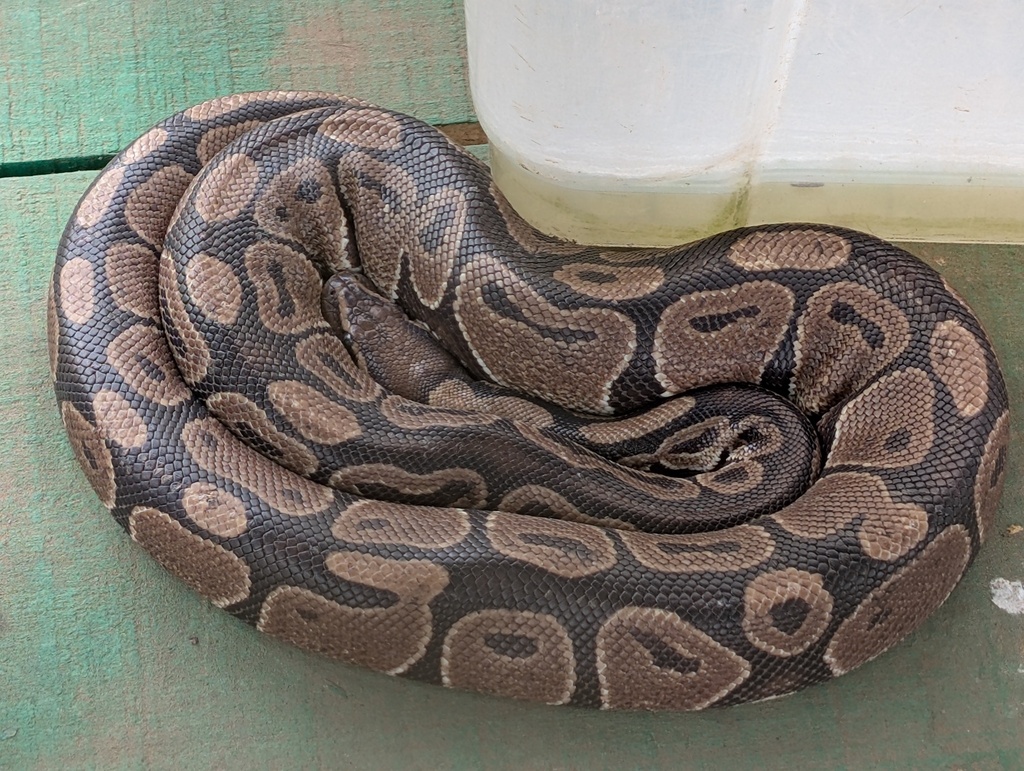
Snakes carry more folklore than almost any other animal, and a lot of it is wrong in ways that can get people hurt or get harmless snakes killed. Below are the myths people repeat most often, paired with what is actually true. Knowing the difference helps you stay safe and react sensibly when you meet a snake.
Myth: Snakes are slimy
Snake skin is dry. The scales are made of keratin, the same material as your fingernails, and they have no mucus glands. People expect slime because snakes look wet and glossy and they share the word reptile with amphibians like frogs.
A healthy snake feels smooth, cool, and dry, often compared to fine leather. Some species have keeled scales that feel slightly rough or ridged, but never slimy.
Myth: Snakes chase people
Snakes do not hunt humans, and they have no reason to pursue something far too large to eat. Their default response to a person is to freeze, flee, or hide. A snake moving toward you is almost always trying to reach cover or a retreat that happens to be in your direction.
Two species feed the chasing reputation. Cottonmouths (water moccasins) often stand their ground and gape with an open white mouth, which reads as aggression but is a defensive bluff. Racers and coachwhips are fast, curious, and sometimes move toward a person, but they are not attacking. The fix is the same in every case: back away and give the snake an open path to leave.
Myth: Baby venomous snakes are more dangerous than adults
The popular claim is that babies cannot control their venom and dump everything in one bite, making them deadlier than adults. This is not supported by the evidence. Adult venomous snakes have far more venom, longer fangs, and the ability to deliver a larger dose, so a serious adult bite is generally the worse one.
Juveniles can and do meter their venom, and many bites from any age class are defensive dry bites or low-dose bites. A young venomous snake still deserves full respect and distance, but the idea that it is automatically more dangerous than an adult is false.
Myth: A triangular head means a snake is venomous
Head shape is an unreliable identifier. Many venomous snakes do have a broad, arrow-shaped head from the venom glands at the jaw, but plenty of harmless snakes flatten and spread their heads into a triangle when threatened. Water snakes, hognose snakes, and rat snakes all do this to mimic vipers and scare off predators.
Meanwhile, some highly venomous snakes break the rule entirely. Coral snakes have narrow, rounded heads that look nothing like a triangle. Use range, color pattern, and reliable local identification resources rather than head shape, and never handle a snake to check.
Myth: You can suck out the venom
Sucking the wound, cutting it, or using a suction extractor device does not remove meaningful venom and can make things worse by damaging tissue, introducing infection, and wasting time. Tourniquets and ice are also discredited and can cause additional harm.
Correct snakebite first aid for a venomous bite: move away from the snake, stay calm, keep the bitten limb still and roughly at heart level, remove rings and tight items before swelling starts, and get to emergency care fast. Antivenom administered at a hospital is the real treatment.
Myth: A snake must coil before it can strike
Snakes do not need a coiled stance to strike, and they cannot lunge their entire body length. A snake can strike from almost any position, including stretched out or partly raised, typically reaching about one third to one half of its body length.
A coil simply gives a longer, more forceful strike and is one defensive posture among several. The practical lesson is to keep your distance from any snake regardless of how it is positioned, because a relaxed-looking snake can still strike if you step too close.
Myth: Hair ropes, gourds, mothballs, and store repellents keep snakes away
The old camping trick of a horsehair rope around your sleeping bag does not stop a snake, which will cross it without hesitation. Gourds, sulfur powder, lime, and most commercial snake repellents have little to no proven effect either.
Mothballs deserve a specific warning. Their active ingredient is a pesticide that is toxic to people and pets, illegal to use in ways not stated on the label, and ineffective at repelling snakes. The thing that actually works is habitat management: cut tall grass, clear brush and debris piles, seal gaps in foundations, and control the rodents that draw snakes in.
Myth: Snakes travel in pairs and a mate will seek revenge
Snakes are solitary and do not form lasting pairs. If you kill or remove one, there is no partner waiting to avenge it. Snakes lack the brain structures for that kind of bonding or planning.
Seeing two snakes near each other usually just means the spot has good food, shelter, or basking conditions, or it is breeding season when males may briefly seek out females. Finding one snake does not mean a second is guaranteed nearby.
Myth: Snakes are deaf
Snakes have no external ears or eardrums, which led to the old belief that they cannot hear. They do detect sound. Vibrations travel through the ground and through the air to the jawbone and inner ear, so snakes sense both substrate vibrations and a range of airborne sound.
This is also why a snake charmer's cobra sways: it is tracking the movement of the flute, not following the tune. Snakes respond more to ground vibration from footsteps than to a shout, which is why stomping is a reasonable way to announce yourself on a trail.
Myth: All snakes lay eggs, and the red-touches-yellow rhyme works everywhere
Not all snakes lay eggs. Many species give live birth, including most vipers such as rattlesnakes and copperheads, plus garter snakes, boas, and many water snakes. Egg-laying (oviparous) and live-bearing (viviparous or ovoviviparous) strategies both occur across snakes.
The coral snake rhyme, red touches yellow kills a fellow, red touches black venom lack, is only reliable for coral snakes in the United States, and even then it is not perfect. It does not apply to coral snake species in Central and South America, where color banding varies, so the rhyme is useless or dangerous outside its narrow range. Identify by region and verified resources, not by a saying.
Frequently asked
- If a snake comes toward me, is it attacking?
- Almost never. Snakes move toward people to reach cover, water, or a retreat that happens to be in your direction, or out of curiosity in fast species like racers. Step aside and give it a clear path to leave.
- Are baby venomous snakes really deadlier than adults?
- No. Adults carry more venom, have longer fangs, and can deliver a larger dose, so adult bites are generally more serious. Juveniles can control their venom and often deliver dry or low-dose bites. Both deserve full distance and respect.
- What should I actually do for a venomous snakebite?
- Get away from the snake, stay calm, keep the bitten limb still and near heart level, remove rings and tight clothing before swelling starts, and reach emergency care fast. Do not cut, suck, apply ice, or use a tourniquet. Antivenom at a hospital is the treatment.
- Do mothballs or store-bought repellents keep snakes away?
- No. Mothballs are an ineffective and toxic pesticide hazardous to people and pets, and most commercial snake repellents show little proven effect. Manage habitat instead: mow tall grass, clear debris, seal foundation gaps, and control rodents.
- Does the red-touches-yellow rhyme always identify coral snakes?
- Only for coral snakes in the United States, and even there it is imperfect. It fails for coral snake species in Central and South America, where banding patterns differ. Identify by your region and trusted local resources rather than the rhyme.
- Can snakes hear me coming?
- Yes, in their own way. Snakes lack external ears but detect ground vibrations through the jaw and inner ear and sense some airborne sound. They respond strongly to footstep vibrations, so stomping on a trail helps alert them to move off.
Last reviewed June 22, 2026. Informational only, and not a substitute for professional medical or wildlife advice.