
Living with snakes
Snake Proof Fence: What Actually Works and What It Costs
A snake proof fence can work if it is built right: fine 1/4-inch mesh, buried bottom, smooth height, angled top, and tight gates. Here are the specs and limits.
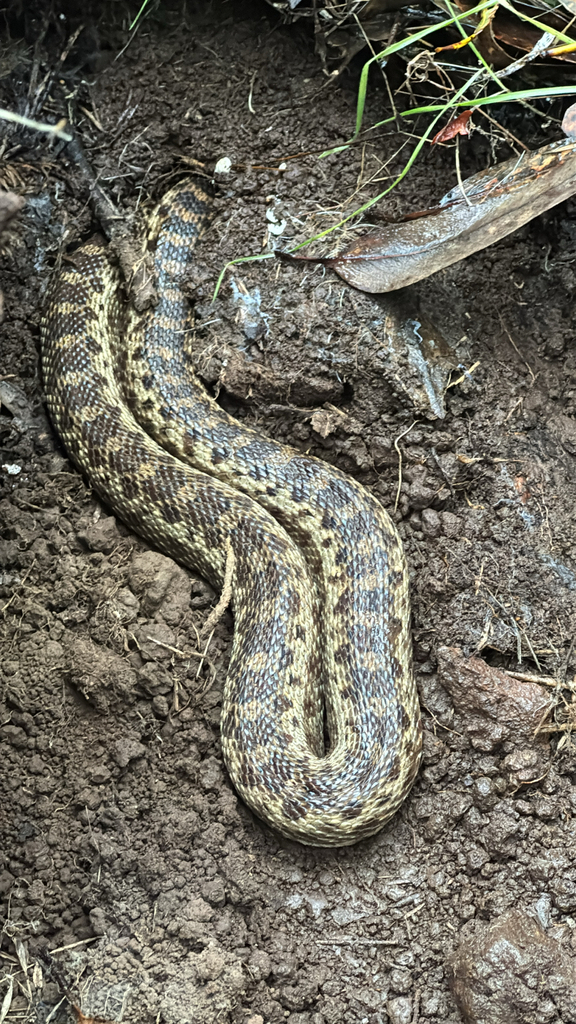
Unlike most snake-repellent products, a properly built snake proof fence is one of the few physical barriers that genuinely works. The catch is in the details. Snakes are flexible, can climb, and squeeze through surprisingly small gaps, so a fence only succeeds if every part of it is built to the right specification. Here is what an effective snake fence looks like, what it realistically can and cannot do, and roughly what it costs.
Why ordinary fences fail
A standard chain-link or picket fence stops nothing. The mesh openings are large enough for most snakes to pass through, the bottom leaves a gap, and the texture gives a climbing snake plenty to grip. To exclude snakes you need a purpose-built barrier, or a snake-specific modification added to an existing fence.
The mesh: fine and small-gauge
The single most important detail is the mesh. Use galvanized steel hardware cloth or fine mesh with openings no larger than 1/4 inch (about 6 mm). Quarter-inch mesh blocks adult snakes and most juveniles. Larger openings let small or young snakes slip straight through, which defeats the whole project. Solid materials also work, such as sheet metal or smooth, sealed boards, as long as there are no gaps.
Bury the bottom
Snakes will try to go under a barrier, and many species are capable diggers or will follow a rodent burrow. Bury the bottom edge of the mesh several inches into the ground, commonly 4 to 6 inches, and bend the buried portion outward to form an L shape facing away from the protected area. This underground lip stops snakes from nosing underneath. Make sure the fence meets the soil with no gaps at the base.
Height, angle, and a smooth face
Many people are surprised that snakes climb. Some species can climb, swim, and dig well, so the fence has to account for it.
- Height: aim for at least 24 to 36 inches above ground for the mesh portion.
- Angle the top outward at roughly 30 degrees, away from the protected area, so a climbing snake reaches an overhang it cannot get past.
- Keep the outside face smooth. Avoid horizontal rails, ledges, or rough texture on the outside that give a snake footholds.
- Do not attach lattice, plants, or anything climbable to the outside of the fence.
Gates and the perimeter
A fence is only as good as its weakest gap. Gates must close flush to the ground with no opening underneath, and the gaps at the hinges and latch side need to be smaller than 1/4 inch. Self-closing gates help if the area sees a lot of traffic. Walk the entire perimeter and check where pipes, drains, utility lines, and downspouts cross the barrier, sealing every one of those openings, because a snake will find the one gap you missed.
Realistic limits and cost
Be honest about what a snake fence can do. It is most practical around a defined high-value area, such as a small backyard, a play area, a chicken run, or a pool enclosure. Fencing a large, wooded, or irregular property is expensive and hard to keep sealed over time. Materials alone for quality hardware cloth and posts often run in the range of several dollars per linear foot, and professional installation can push a modest yard into the hundreds or low thousands of dollars depending on length and terrain. Maintenance matters too: erosion, frost heave, and damage can open new gaps, so a snake fence needs periodic inspection.
Pair the fence with habitat changes
A fence keeps snakes out of one area, but it does nothing about why they are on the property in the first place. Combine it with the habitat work that reduces snake activity overall.
- Control rodents, the main food source drawing snakes in.
- Clear brush piles, tall grass, leaf litter, and debris near the protected area.
- Keep the fenced zone itself free of cover, woodpiles, and clutter where a snake that does get in could hide.
- Seal gaps under nearby sheds, decks, and foundations.
For the broader strategy, see our guide on how to keep snakes away and what attracts snakes. Skip the repellent powders and ultrasonic gadgets entirely; independent testing has found them ineffective, and a well-built barrier plus habitat control is what actually delivers.
If a snake is inside the fence
Even a good fence is not perfect, and most snakes you encounter are harmless and helpful. If one turns up inside the enclosure, give it space and let it find its way out, or open a gate to give it a clear exit. To identify what you are dealing with, use our identification tool or browse snakes by state and county. For removal of a snake you cannot identify or safely usher out, call local animal control or a licensed wildlife professional rather than handling it yourself.
Done properly, a snake proof fence is a real solution, not a gimmick. Just go in with eyes open: the right mesh, a buried lip, an angled smooth top, sealed gates, and ongoing maintenance, paired with habitat control, is what turns a fence into an actual barrier.