
Living with snakes
Plants That Repel Snakes: Do Any of Them Actually Work?
Looking for plants that repel snakes? Marigolds, snake plant, and lemongrass are popular picks, but the evidence is thin. Here is what really reduces snakes.
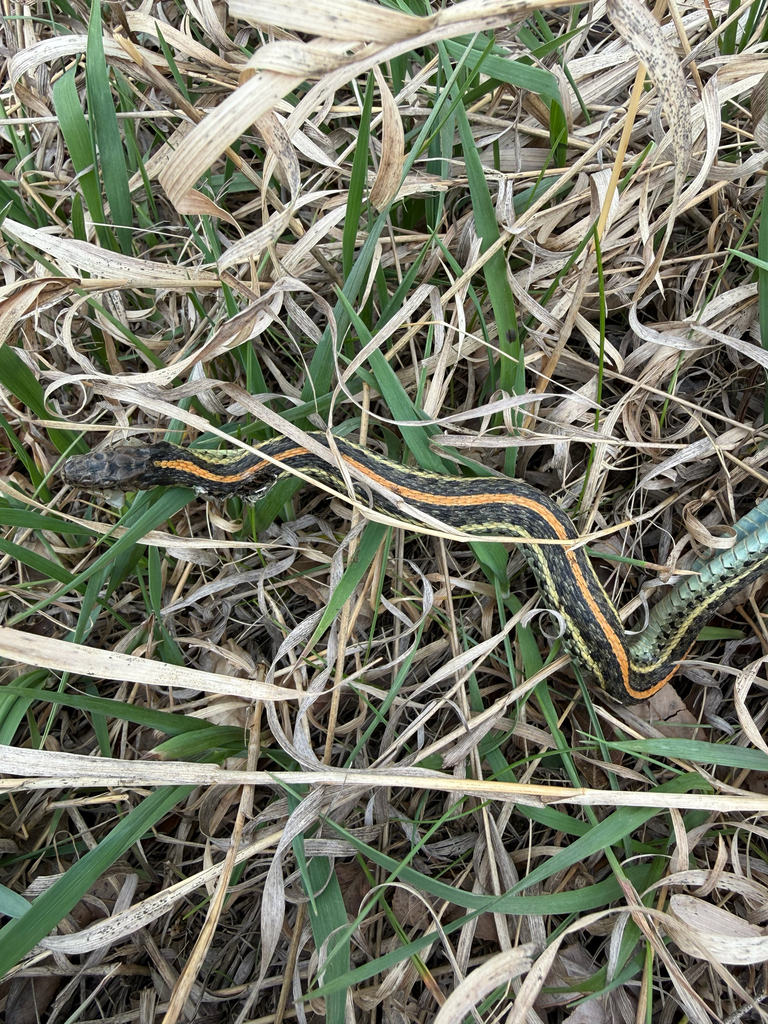
Search for plants that repel snakes and you will find confident lists naming marigolds, the snake plant, lemongrass, wormwood, garlic, and more. The promise is appealing: plant a few border flowers and the snakes stay away. Unfortunately, the science does not back it up. There is little to no credible evidence that any plant repels snakes. What does work is changing the habitat, and a few plants can help with that, just not the way the myth claims.
Why the plant-repellent idea is so popular
The theory usually goes that strong-smelling plants overwhelm a snake's senses, or that a sharp-edged plant like a sansevieria, confusingly nicknamed the snake plant, is physically off-putting. It is an attractive idea because it is cheap, pretty, and chemical-free. But snakes do not respond to plant aromas the way the myth assumes, and there is no controlled research showing a planted border that meaningfully deters them.
The popular picks, and what we actually know
- Marigolds: often credited with repelling pests through their roots, but there is no evidence they deter snakes. The pest claim itself is mostly about certain soil nematodes, not reptiles.
- Snake plant (mother-in-law's tongue): named for its shape, not any repellent power. It does nothing to snakes.
- Lemongrass and citronella: their oils are studied as mosquito deterrents, not snake deterrents, and a living plant gives off far less than concentrated oil anyway.
- Wormwood, garlic, and onion: strong-smelling, but no study shows them keeping snakes off a property.
- West Indian lemongrass and 'mole plant' (Euphorbia): folk remedies with no reliable supporting data, and some are toxic to pets.
The same goes for sprays and gadgets
Plants are only one branch of the snake-repellent industry. Powders, granules, and ultrasonic stakes make the same promise, and independent testing has repeatedly found them ineffective too. Snakes are nearly deaf to airborne sound, and the chemical repellents do not stop a snake that is following a rodent trail. If a yard has food and shelter, a snake will pass right by the marigolds.
It is worth understanding why the smell theory fails specifically. A snake reads the world by collecting scent particles on its forked tongue and processing them, a system tuned to detect prey and other snakes, not to be overwhelmed by a flower bed. A living plant also releases only a faint fraction of the concentrated oils used in lab studies, so even the aromatic species on the popular lists give off far too little to matter. The result is that a snake on the trail of a mouse simply does not register your border planting as a reason to turn around.
What genuinely reduces snake activity
Snakes come for two things: prey and cover. Take those away and the snakes have no reason to stay. This is where your gardening effort actually pays off.
- Control rodents first. Rats and mice are the main draw, so secure pet food, bird seed, and trash and deal with any infestation.
- Clear cover. Cut tall grass and weeds, remove brush piles and leaf litter, and pull back dense ground cover, especially against the house.
- Mind your plantings. Thick, sprawling shrubs and unmanaged ground cover create exactly the cool, hidden shelter snakes like, so keep beds open and trimmed rather than overgrown.
- Store woodpiles and debris off the ground and away from doorways.
- Seal gaps under sheds, decks, and foundations so snakes cannot shelter there.
So a tidy, open garden does help, not because of any magic plant but because it removes hiding places. For the complete approach, see our guide on how to keep snakes away and the companion on what attracts snakes. If you keep finding shed skins or burrow openings, the signs of snakes guide explains what to look for.
If you do find a snake
The vast majority of snakes in a U.S. or Canadian garden are harmless and quietly useful, eating the rodents and slugs you would rather not have. Give any snake space and let it move on. To learn which species live where you are, try our identification tool and browse by state and county, or explore the species library. If one needs to be moved, call local animal control or a licensed wildlife professional instead of handling it yourself.
The honest takeaway is that there is no shortcut shrub. Plant marigolds because you like marigolds. To actually reduce snakes, focus on rodent control and clearing cover, the boring fundamentals that work where repellent plants do not.