
Identification
Gopher Snake vs. Rattlesnake: How to Tell the Mimic From the Real Thing
A gopher snake vs rattlesnake guide. The harmless gopher snake hisses, flattens its head, and shakes its tail like a rattler. Here is how to tell them apart.
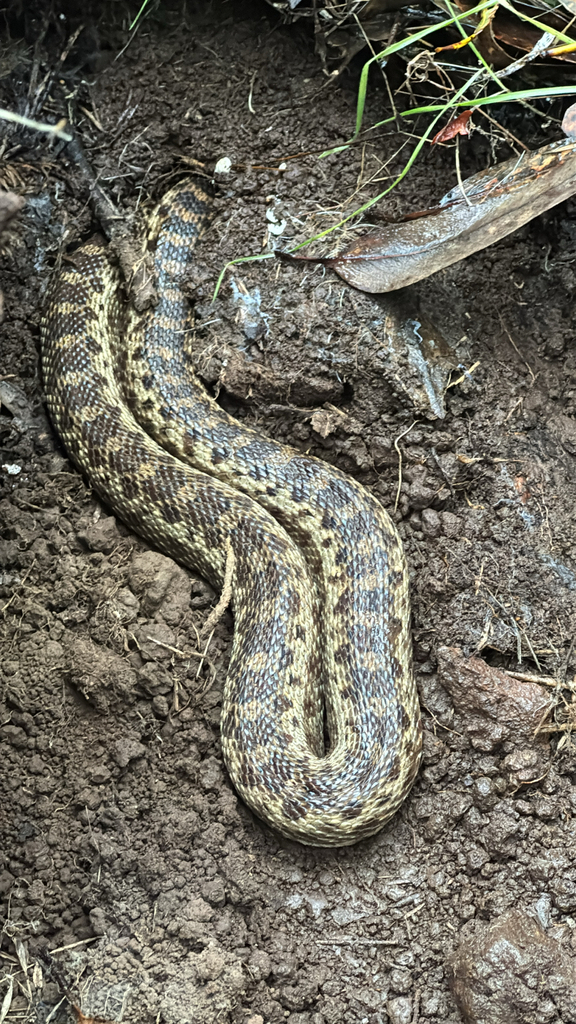
Few harmless snakes do a better impression of a dangerous one than the gopher snake, also called the bullsnake across much of the central United States. When cornered it hisses loudly, flattens and widens its head, and vibrates its tail fast against dry leaves. To a startled hiker that adds up to one word: rattlesnake. The truth is that the gopher snake is completely non-venomous, and a few calm checks will tell it apart from a true rattler every time.
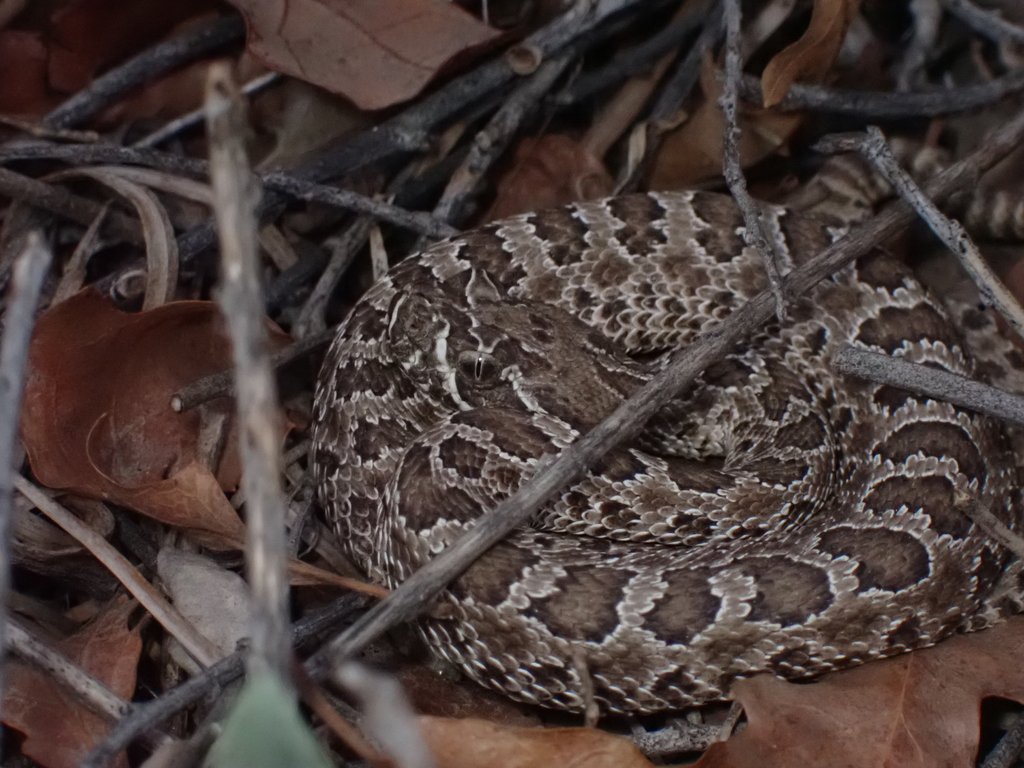
Why gopher snakes act like rattlesnakes
This is a textbook case of mimicry. Looking and sounding like a venomous snake keeps predators away, so over time the gopher snake evolved a bluff that borrows the rattlesnake's playbook. It hisses by forcing air past a flap in its windpipe, it draws its head into a broad triangle, and it buzzes its tail tip. None of it is backed by venom or a rattle, but it works well enough to fool people, dogs, and hawks alike.
Look at the tail first
The tail is the single most reliable tell. A rattlesnake has an actual rattle, a series of dry, interlocking keratin segments at the very tip that it holds up and shakes. A gopher snake has a plain, tapering tail that ends in a simple point. When a gopher snake vibrates that point against leaf litter it can sound buzzy, but there is no rattle there. If you can see a true segmented rattle, treat the snake as venomous and back away.
Head shape and pupils, from a photo
Rattlesnakes are pit vipers, with a broad, blocky head that is clearly wider than the neck, vertical cat-like pupils, and a heat-sensing pit between each eye and nostril. A relaxed gopher snake has a narrower, more rounded head and round pupils. The catch is that a threatened gopher snake flattens its head to fake the viper triangle, so head shape alone can mislead you. Use it together with the tail and pattern, and only judge pupils from a clear, zoomed-in photo, never up close.
Body pattern and build
Gopher snakes are long and fairly slender, often four to six feet, with a cream to yellow background and bold dark blotches running down the back. Rattlesnakes tend to be heavier-bodied for their length, with diamond, blotch, or banded patterns depending on the species. The gopher snake's blotches are usually crisper and more rectangular, and its body tapers smoothly to that thin tail rather than ending in a thick, blunt rattle base.
Behavior and movement
A cornered rattlesnake often coils tightly, holds its ground, and rattles a steady warning. A gopher snake puts on a loud show but is more likely to flee, and it frequently flattens its whole body and hisses in long bursts. Watch for these differences from several body lengths away:
- Tail: visible segmented rattle held up and shaken means rattlesnake; plain pointed tail means gopher snake.
- Sound: a dry sustained buzz from a real rattle versus a softer rasp from a tail beating leaf litter.
- Hiss: gopher snakes hiss loudly and often; rattlesnakes rely more on the rattle.
- Build: heavy-bodied with a blunt tail base points to a rattlesnake.
Range and where you are matters
Gopher snakes and bullsnakes are widespread across the western and central United States, and many rattlesnake species overlap with them. Before you assume the worst, check which snakes actually live in your area using the state and county browser, and read up on the dangerous species near you on the venomous snakes guide.
Confirm the identification the safe way
Read the full profiles for the gopher snake and a representative rattler like the prairie rattlesnake, or upload a clear photo to our identification tool. You can also sharpen your eye with the snake ID quiz and learn the general rules in how to tell if a snake is venomous.
The gopher snake is one of the most beneficial snakes you can have around, a steady hunter of the rodents that draw rattlesnakes in. You do not need to identify a snake to stay safe from it, though. Give any snake room, and a gopher snake will drop the act and slip away on its own.