
Identification
Bullsnake vs. Rattlesnake: Telling the Prairie Mimic From the Real Thing
A bullsnake vs rattlesnake guide for the plains. The harmless bullsnake hisses, buzzes its tail, and flattens its head to fake a rattler. Tell them apart.
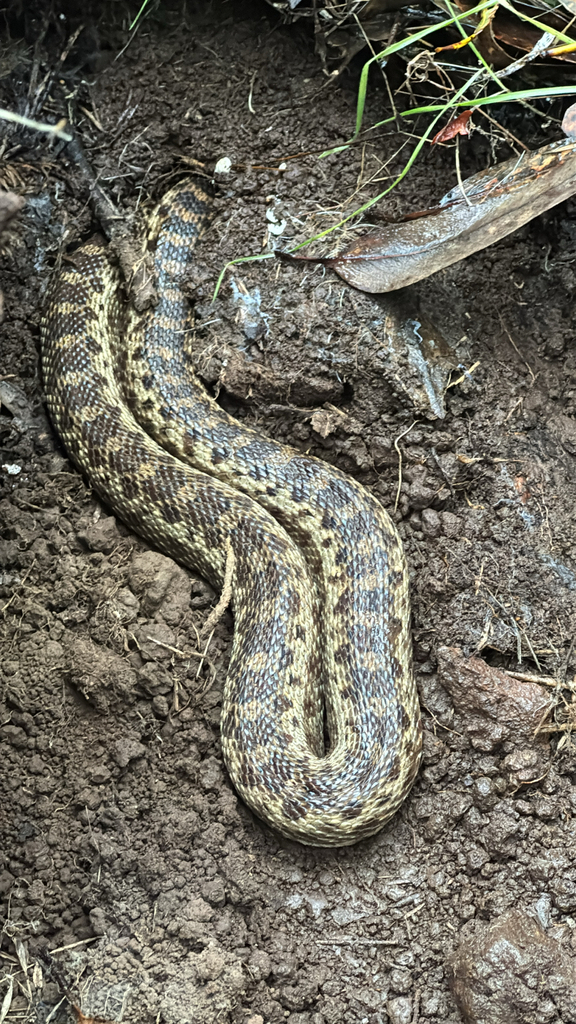
On the prairies and grasslands of central North America, one harmless snake does a remarkable impression of a deadly one. The bullsnake, which is the large prairie form of the gopher snake, hisses loudly, vibrates its tail in dry leaves, and flattens its head when it feels cornered. The result fools a lot of people into thinking they have met a prairie rattlesnake. The two share the same open country, so the confusion is understandable, but a few calm observations separate them every time.
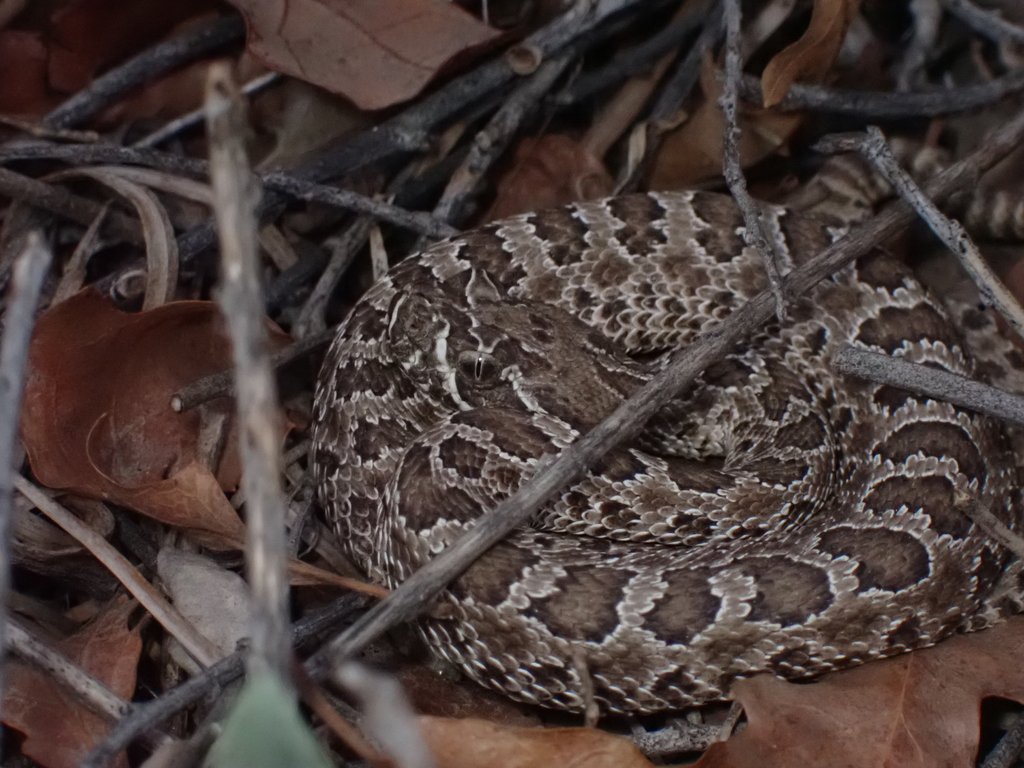
The single most reliable difference is the tail. Learn that one feature first and you will rarely be wrong.
Look at the tail and listen for a true rattle
A rattlesnake has a segmented keratin rattle at the very tip of its tail, and it produces a steady, electric buzz that does not stop while the snake stays alarmed. A bullsnake has a plain, pointed tail with no rattle. When threatened it will rapidly vibrate that bare tail against grass, leaves, or soil, which can make a dry rustling sound that imitates a rattle. The trick is that the bullsnake's sound comes from whatever its tail is hitting, not from the tail itself, and it is rougher and more irregular than a real rattle. If you can see a true rattle on the tip, it is a rattlesnake. No rattle means it is not.
Compare head shape, and do not trust it alone
Rattlesnakes are pit vipers, so they have a broad, blocky, clearly triangular head that is much wider than the neck. A relaxed bullsnake has a narrower, more rounded head that flows into the body. The catch is that a frightened bullsnake will flatten and spread its head to look triangular and dangerous, which is exactly the bluff that gets it killed. Because of this, head shape is a supporting clue, never a verdict on its own. Pair it with the tail and the overall build.
Read the pattern and color
Both snakes wear brown and tan blotches over a lighter background, which is why they cross signals so often. A few habits help on the plains:
- Bullsnakes are long and powerfully built, often four to six feet, with crisp dark blotches that become bolder and ringed near the tail.
- Prairie rattlesnakes are usually shorter and heavier-bodied for their length, with blotches that fade into less distinct bands toward the tail.
- A bullsnake's blotches stay sharp-edged down the whole back, while a rattlesnake's pattern softens before reaching the rattle.
Watch the behavior
A defensive bullsnake puts on a loud show. It draws back into an S-curve, hisses with a deep, drawn-out sound created by a flap in its windpipe, vibrates its tail, and may strike with a closed mouth as a bluff. It is loud because it is unarmed and trying to be left alone. A rattlesnake tends to be more reserved, coiling tightly, holding still, and relying on the rattle as a clear warning. Big noise and bluster usually points to the harmless mimic, not the venomous snake.
Range and habitat overlap
Bullsnakes and prairie rattlesnakes share grasslands, sandhills, farm edges, and rodent-rich fields across the Great Plains, so location alone will not settle an ID. What location does tell you is which species are even possible. Before you assume the worst, check exactly what lives in your area on our state and county pages, and read up on how to tell a venomous snake from a harmless one.
Why the mimicry exists, and why it matters
The bullsnake's act is a textbook example of a harmless animal borrowing a dangerous one's reputation. By sounding and looking like a rattlesnake, an unarmed bullsnake convinces predators, livestock, and people to back off without a fight. The unfortunate side effect is that the same bluff gets bullsnakes killed by anyone who assumes the worst. That is a real loss, because bullsnakes are among the most effective rodent hunters on the plains, taking large numbers of gophers, ground squirrels, and mice that damage crops and stored feed. Learning to read the tail and the overall build, rather than reacting to the hiss and the buzz, saves a beneficial snake and spares you a needless and risky encounter.
Compare the species side by side
Read the full profiles for the gopher snake and the prairie rattlesnake, browse all venomous snakes, or upload a photo to our identification tool. You can also test your eye with the snake ID quiz.
Bullsnakes are valuable rodent hunters, and their rattlesnake act is pure theater. The safest move with any unknown snake on the plains is the same either way: stop, give it room, and let it move off on its own. You never have to identify a snake to stay safe from it.