
Safety
Snake in the Pool: How to Get It Out Safely
Found a snake in your pool? Here is how snakes end up there, how to safely get one out from a distance with a net, and how to keep them all out for good.
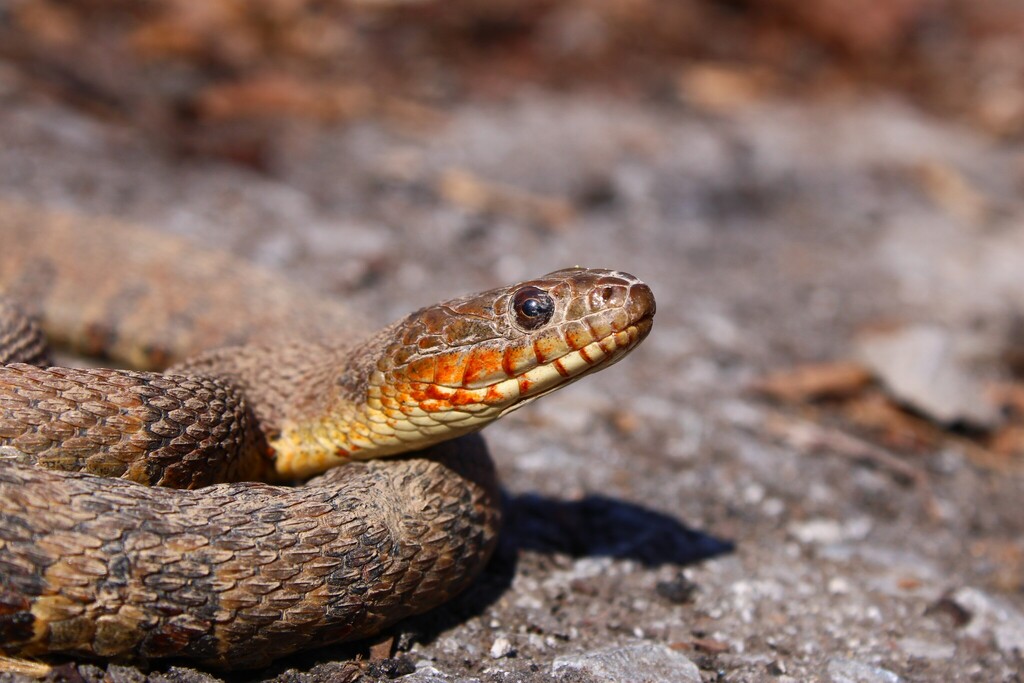
Finding a snake in the pool is a common summer surprise, and it is rarely the emergency it feels like. Most snakes that end up in a pool are harmless, and they are usually there by accident and looking for a way out. With a little patience and the right tools, you can help one leave without putting yourself at risk.
How snakes end up in pools
Snakes do not seek out chlorinated water, but they swim well and often fall in by accident while crossing a yard, hunting near the edge, or escaping a predator. Once in, the smooth walls give them nothing to grip, so they swim laps along the edge searching for an exit. A snake circling your pool is almost always trying to get out, not trying to stay.
First, do not panic and do not grab it
Keep people and pets back and take a breath. The most important rule is to never reach in and grab a snake with your hands, even one you believe is harmless. The vast majority of snakebites happen when someone tries to catch or handle a snake, and a stressed snake in water is hard to identify and easy to misjudge. Keep your distance and use a tool.
How to safely get a snake out
If you are confident it is harmless and you want to help it out yourself, do it gently and at arm's length:
- Use a pool skimmer, leaf net, or long-handled pool brush to scoop the snake from a safe distance.
- Lift it slowly and carry it on the net to a quiet edge of the yard, well away from the pool, then lower it to the ground and let it leave.
- You can also place a partly submerged board, towel, or pool float ramp at the edge so the snake can climb out on its own, then give it space.
- Move slowly and calmly; quick jabbing motions make a snake defensive.
Do not strike at, trap underwater, or try to kill the snake. Drowning attempts are cruel, often fail, and bring your hands close to a frightened animal.
When to call a professional
Some situations are not worth the risk. Call a licensed wildlife removal service or local animal control if you cannot identify the snake, if you think it may be venomous, if it is large, or if you are simply not comfortable. Professionals have the right equipment and experience. While you wait, keep everyone away from the pool and keep an eye on the snake from a distance. If you are unsure what species live near you, our identification tool and county pages can help.
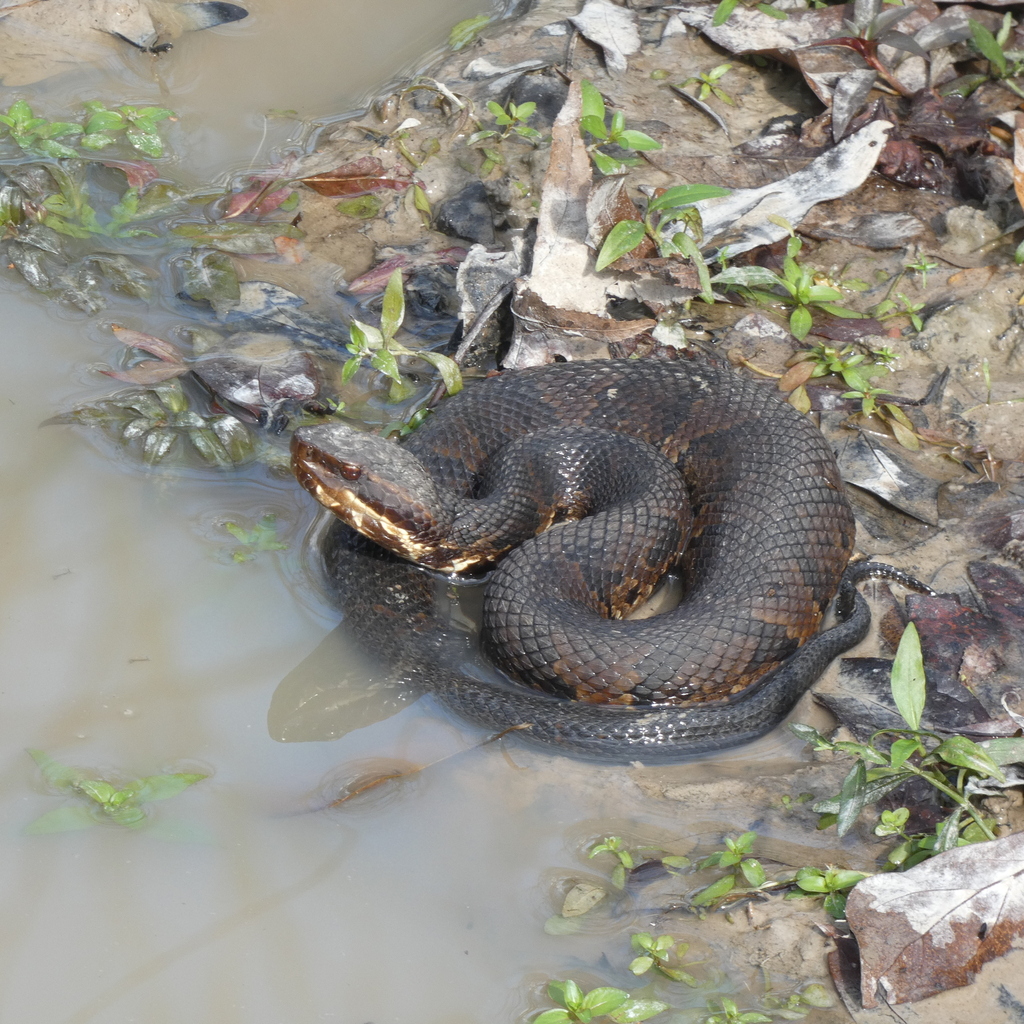
Is the snake okay after being in the pool?
A short swim in a pool will not usually harm a snake, and most leave none the worse once they reach dry ground. A snake that has been circling for a long time may be tired, so give it a quiet, shaded spot and let it recover at its own pace rather than handling it. Chlorine is not good for snakes, but a brief exposure is not the emergency people sometimes imagine. The kindest and safest outcome for everyone is the same: get the snake out gently, set it down well away from the pool, and let it go on its way.
If you find a snake that has clearly drowned, do not assume it was venomous or a threat; harmless species fall in just as often. Remove it with your net or a tool, never bare hands, and dispose of it well away from the pool. If drownings keep happening, that is a sign your prevention needs attention.
Keeping snakes out of the pool
A few habits make your pool far less likely to host a visitor:
- Use a pool cover when the pool is not in use, especially overnight.
- Keep fencing in good repair and consider fine mesh along the bottom of yard fencing.
- Trim grass and clear brush, woodpiles, and debris near the pool where snakes shelter.
- Control rodents, which are the main food that draws snakes into a yard (see keeping snakes away).
- Keep the pool deck clear of clutter that offers hiding spots.
A snake in the pool is usually a harmless animal that took a wrong turn and wants out as much as you want it gone. Help it from a safe distance with a net, or call a professional when in doubt, and never reach in by hand. For more on living alongside snakes, see found a snake and the species library.