
Safety
Do Snakes Chase You? The Truth Behind the Myth
Do snakes chase you? No, snakes do not hunt or chase humans. Here is the science behind defensive behavior and the cottonmouth and the black mamba myths.
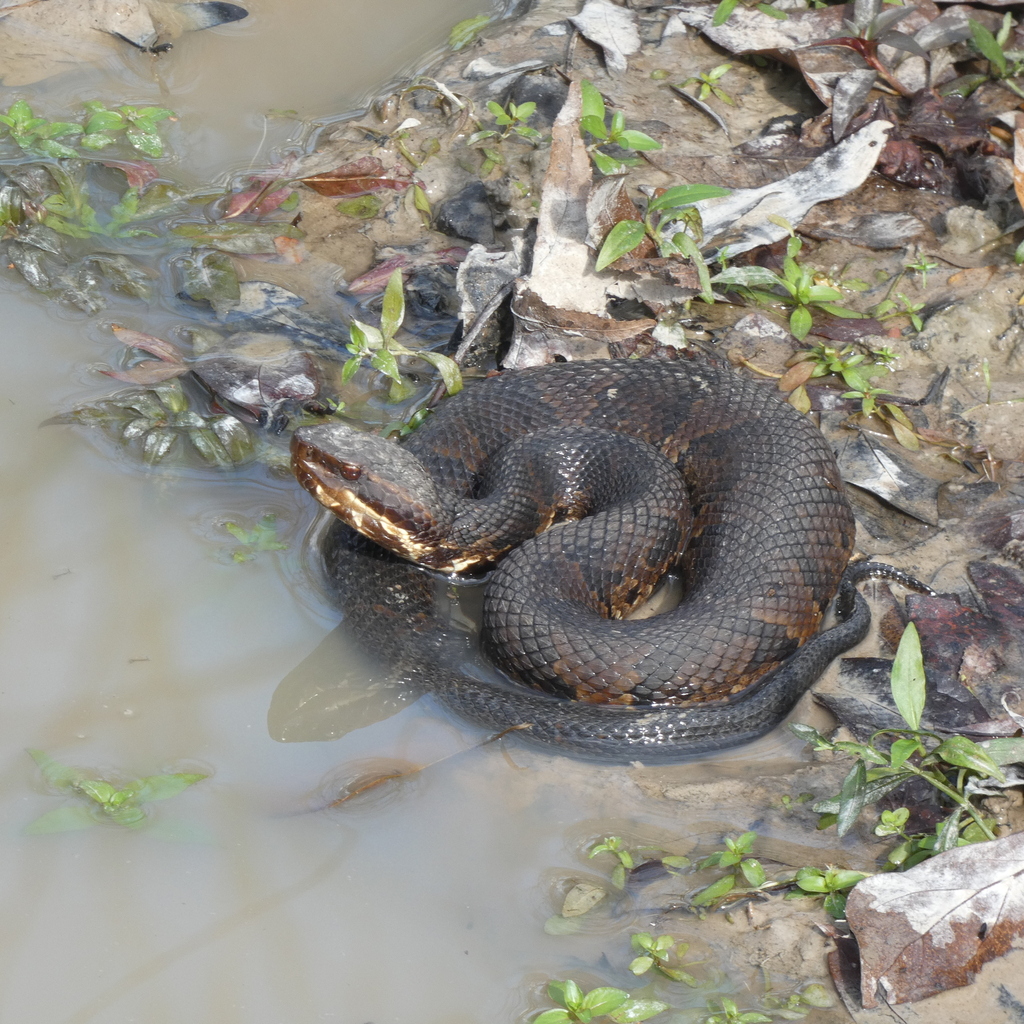
Few snake fears are as common as the belief that a snake will chase you down. It is a vivid story, and almost everyone has heard a version of it. The reality is reassuring: snakes do not hunt or chase humans. Understanding why makes encounters far less frightening and much safer for both you and the snake.
Why a snake has no reason to chase you
A snake hunts to eat, and its prey is rodents, frogs, lizards, and similar small animals. A human is hundreds of times too large to be food, so there is no predatory motive to pursue you. Venom is also metabolically expensive to produce, and a snake will not spend it on something it cannot possibly swallow. From the snake's point of view, you are a large potential threat to be escaped, not a target to be caught.
What people mistake for chasing
When a snake appears to move toward a person, it is almost always trying to reach safety, not attack. Snakes flee toward cover they know: a burrow, water, a rock pile, or thick brush. If you happen to be standing between the snake and its escape route, it may travel in your direction simply because that is where safety lies. Step to the side and it will pass you and keep going.
Defensive behavior is not aggression
Cornered snakes put on a defensive display: coiling, hissing, rearing up, flattening the head, or a rattlesnake buzzing its tail. A cottonmouth may gape to show the white lining of its mouth. These are warnings that say leave me alone, not invitations to fight. A snake doing this wants you to back off so it does not have to bite. Give it room and the display ends.
The cottonmouth myth
Cottonmouths (also called water moccasins) have a fierce reputation for chasing people in the water and on land. Studies that deliberately approached cottonmouths found the opposite: most tried to flee, many stood their ground and gaped as a warning, and essentially none pursued the researchers. The chasing stories usually come from a snake heading toward the only nearby water or cover, which sometimes means heading toward the person who startled it. Harmless watersnakes are frequently blamed too, simply because they are mistaken for cottonmouths.
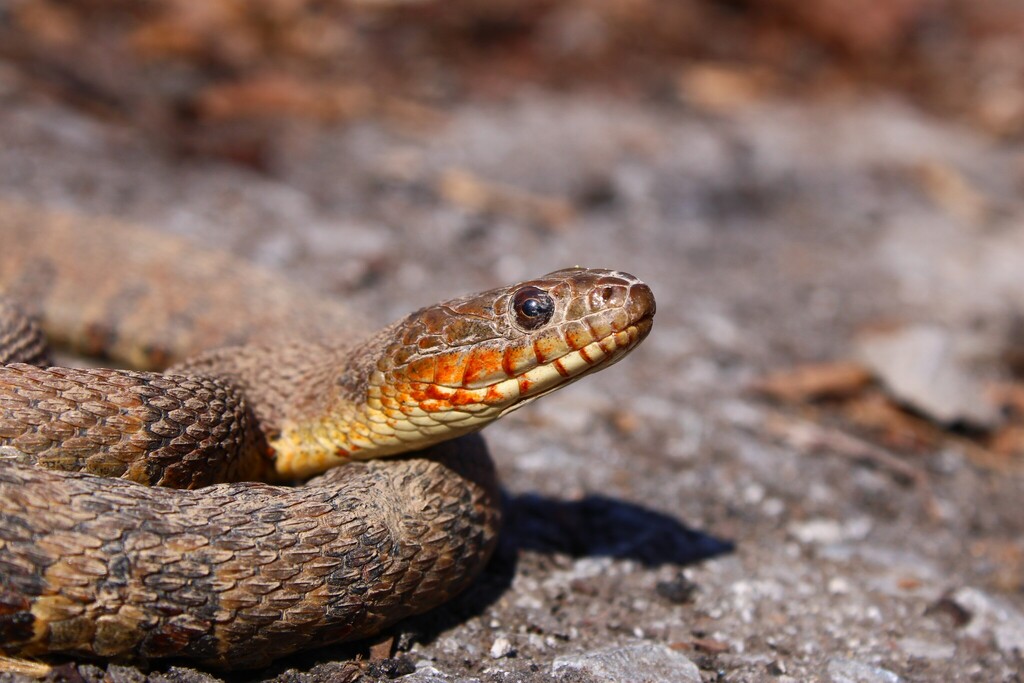
Both snakes live near water and both can look dark and stout, so harmless watersnakes are often killed out of fear. Learning to tell them apart, from a safe distance, prevents needless risk. Our identification tool and the watersnake vs cottonmouth guide can help.
The black mamba myth
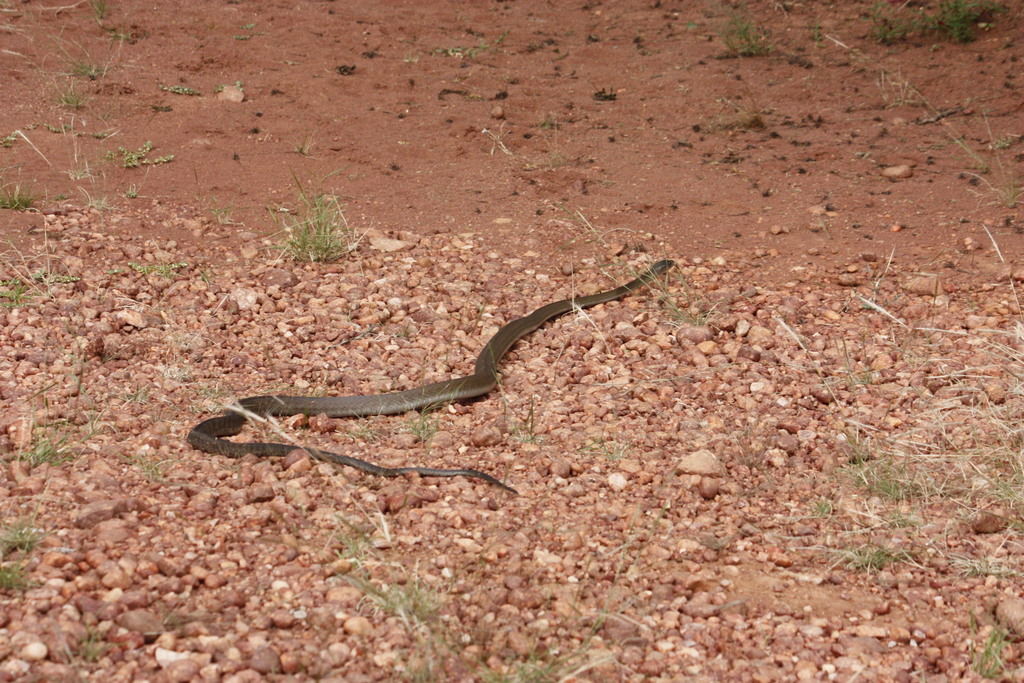
The black mamba of sub-Saharan Africa is fast and highly venomous, and it anchors many chasing legends. It is genuinely one of the quicker snakes over short distances, but its speed is used to escape, not to run people down. Like other snakes, a mamba's first choice is to flee to a known retreat. Bites happen when it is cornered, surprised, or its escape is blocked, not because it singled out a person to pursue.
Why the myth refuses to die
Chasing stories spread because they are dramatic and because a near miss is genuinely scary in the moment. When a startled snake bolts toward the nearest cover and a person happens to be in the way, the brain remembers being chased, not the snake's panic. Add the natural human tendency to retell a frightening encounter as more dangerous than it was, and the legend grows with each telling. A few species with bold defensive displays, like cottonmouths gaping or rattlesnakes standing their ground, reinforce the impression even though neither is actually pursuing anyone.
It is worth correcting the story, because the belief leads to bad decisions. People who think snakes hunt them are more likely to panic, run blindly, or try to kill the snake, all of which raise the chance of injury. Understanding that the snake only wants to escape lets you respond calmly and safely instead.
What to do in an encounter
Because snakes are not chasing you, the right response is simple and calm:
- Stop and give the snake space, at least several body lengths.
- Move sideways or back away slowly so the snake has a clear escape route.
- Do not try to catch, kill, or handle it, which is when most bites happen.
- Let it leave on its own; most snakes move off within minutes.
The chasing snake is a myth built on misread escapes and defensive warnings. Once you understand that a snake only wants to get away, encounters become far less frightening. To put snakebite risk in perspective, read are snakes dangerous, or browse the species library to learn the snakes near you.