
Safety
Snake Bite on a Dog: What to Do (Calm, Step by Step)
Snake bite, dog, what to do: stay calm, keep your dog still, and get to a vet immediately. The safe first steps, the warning signs, and what never to do.
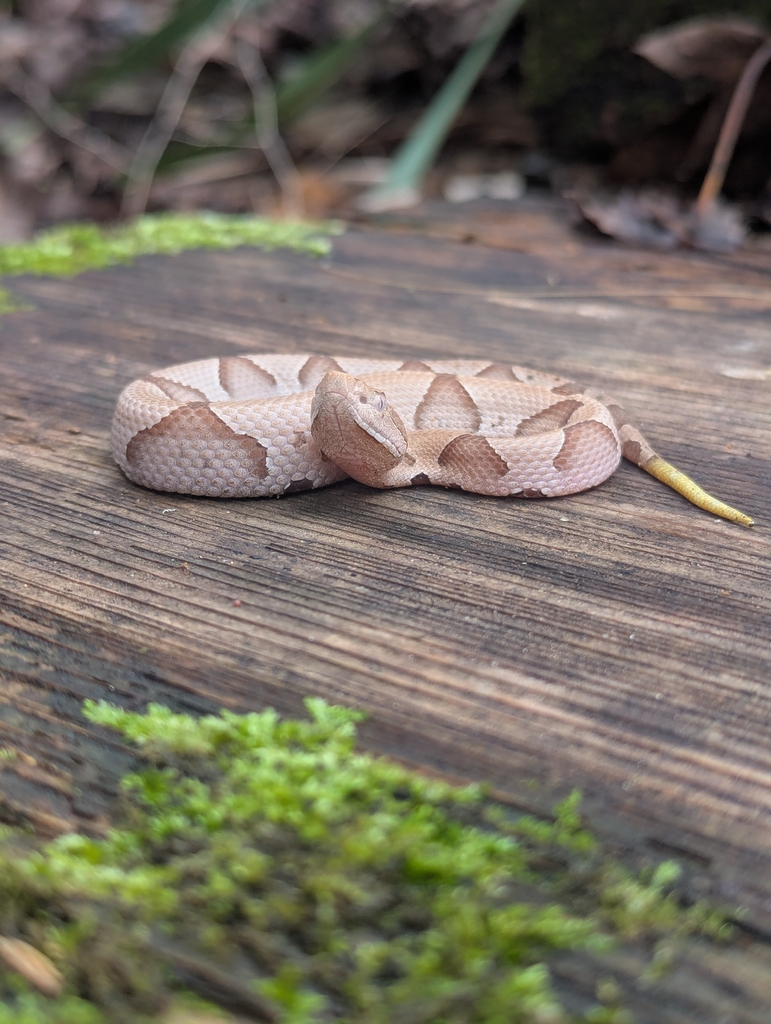
A snake bite on a dog is frightening, but your response in the first few minutes matters. The single most important thing is to get your dog to a veterinarian or an emergency animal hospital as fast as you safely can. This article is general information to help you act, not a substitute for veterinary care. If you think your dog has been bitten, call a vet right now.
Stay calm and keep your dog calm
Your dog reads your energy. Panic makes a dog move more, and movement speeds the spread of venom through the body. Speak softly, move slowly, and try to keep your dog as still and quiet as possible. If you can carry a smaller dog rather than letting it walk, that is better, because limiting activity is one of the few things you can actually do that helps.
Get to a vet immediately
Time is the factor you can control. Call ahead so the clinic can prepare, then transport your dog without delay. Many bites in the U.S. come from pit vipers such as copperheads, cottonmouths, and rattlesnakes, and antivenom plus supportive care work best when given early. Even a bite that looks minor can swell and worsen over hours, so do not wait to see if it gets better.
If your usual veterinarian is closed, head straight to the nearest emergency animal hospital and call them on the way. A bite that is not venomous still needs attention, because puncture wounds can become infected and a vet can clean the wound and watch for swelling. When you cannot tell whether the snake was venomous, treat the situation as if it was and let the professionals make that call. There is no benefit to waiting, and a great deal to lose.
Note the snake from a safe distance, do not chase it
If the snake is still nearby, glance at it from where you stand and try to remember its color, pattern, and rough size. A zoomed-in phone photo from a safe distance can help the vet, but only if you can take it without getting close. Never chase, corner, or try to catch or kill the snake. A second person or pet getting bitten only makes the emergency worse, and identification is helpful but not required for treatment. If you are unsure what lives in your area, our identification tool and the county browser can help you learn later.
What NOT to do
Several old remedies are useless or actively harmful. For a snake bite on a dog, do not:
- Do not cut the wound or try to suck out venom.
- Do not apply a tourniquet or tie anything tightly around the limb.
- Do not apply ice or a cold pack to the bite.
- Do not give your dog any human pain medication, alcohol, or home remedies.
- Do not waste time trying to catch or kill the snake.
- Do not wait to see if the swelling goes down on its own.
If it is easy and safe, you can gently rinse the area with water and remove your dog's collar or harness in case of neck swelling, but none of this should delay the drive to the vet.
Signs of a snake bite in dogs
You may not see the snake at all. Watch for sudden yelping outdoors, puncture marks, rapid swelling (often on the face, head, or a leg), bleeding, drooling, weakness, trembling, or collapse. Bites to the nose and face are common because dogs investigate with their muzzle. If any of these appear, treat it as an emergency.
Symptoms can come on quickly or build over an hour or two, and they vary with the snake, the amount of venom, and your dog's size. A small dog bitten by the same snake can be in far more danger than a large one. Do not try to judge severity yourself or assume a quiet dog is fine. Because the early picture can be misleading, the safest course is to have a veterinarian assess any suspected bite rather than watching and waiting at home.
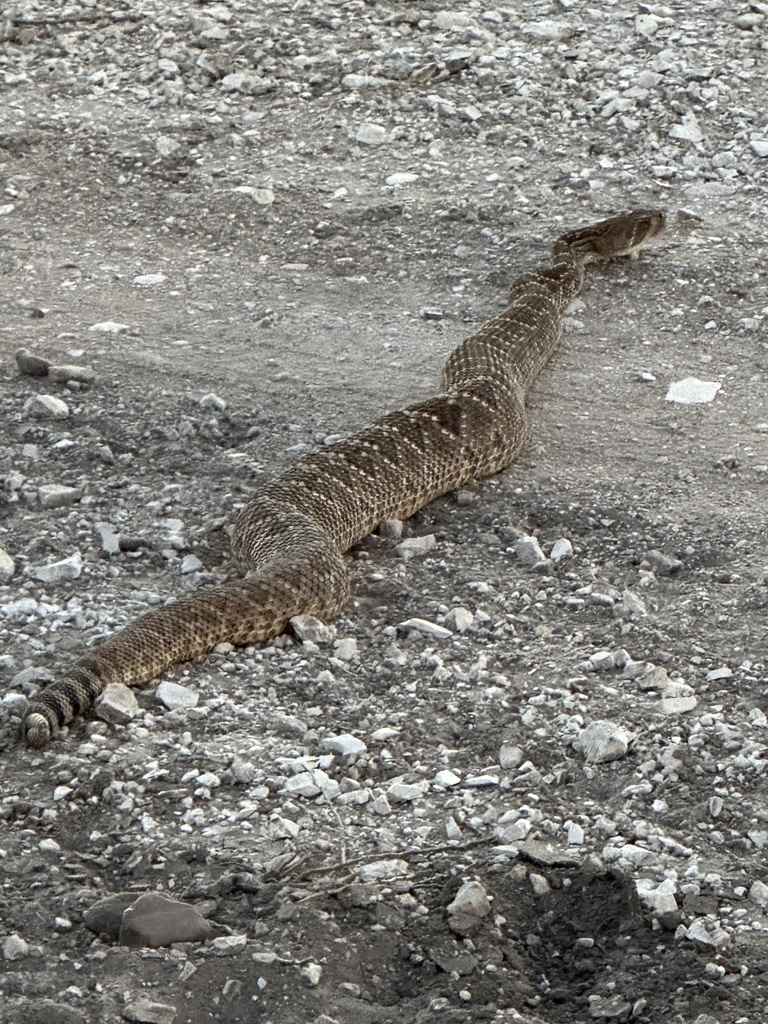
Preventing the next bite
Most bites happen when a dog harasses or steps on a snake. You can lower the odds:
- Keep dogs leashed on trails and in tall grass, brush, and rocky areas.
- Keep your yard tidy: trim grass and clear woodpiles, brush, and debris where snakes shelter.
- Control rodents, which are the main food that draws snakes near a home (see keeping snakes away).
- Avoid walking dogs at dawn, dusk, and on warm nights when snakes are most active.
- Ask your vet about a rattlesnake vaccine and avoidance training if you live in high-risk country.
A snake bite on a dog is a true emergency, but a calm owner who limits movement and drives straight to care gives their dog the best chance. Keep your vet's number and the nearest emergency animal hospital saved before you ever need them. To understand the snakes near you, browse the venomous species guide and your local county pages.