
Safety
Snake Bite While Hiking: First Aid That Actually Works
Snake bite while hiking: the first aid experts actually recommend, the dangerous old myths to skip, and the simple habits that lower your risk on the trail.
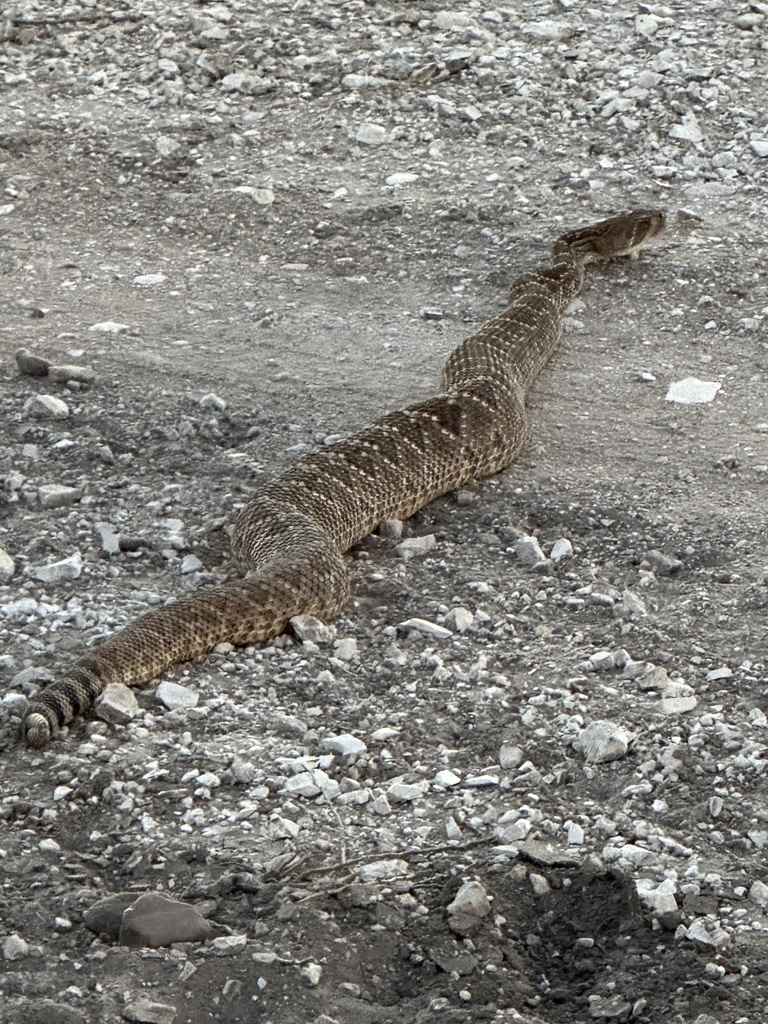
Snakebites on the trail are uncommon, and serious outcomes are rarer still when people respond correctly. The problem is that most of what people remember about snakebite first aid is wrong and can make things worse. Here is what actually helps, what to avoid, and how to lower your risk while hiking.
Step one: move away from the snake
Calmly back away beyond striking range, which is well over a body length. Do not try to catch, kill, or get a better look at the snake, because most second bites happen during exactly those attempts. Once you are clear, you can begin first aid safely.
Call for help and note the time
Call 911 or emergency services as soon as you can. If you have no signal, send someone for help or move toward it while keeping exertion low. Note the time of the bite and watch how symptoms change, since this information helps medical staff. The goal is to reach a hospital, where antivenom and monitoring are available.
Symptoms of a venomous bite can include pain and swelling around the wound, puncture marks, tingling, nausea, lightheadedness, or trouble breathing. Some bites are dry, meaning little or no venom was injected, but you cannot rely on that, and you cannot tell from the outside. Treat every venomous-snake bite as serious and let the hospital decide what treatment is needed. If you can mark the leading edge of any swelling with a pen and note the time, that gives staff a clear record of how fast it is spreading.
Keep calm and keep the limb still
A racing heart and a moving limb move venom through the body faster. Sit or lie down, breathe slowly, and keep the bitten area as still as possible. Keep the bite at or slightly below heart level. If the bite is on a hand or arm, gently immobilize it the way you would a sprain and avoid using that limb.
Remove rings, watches, and tight clothing
Snakebites often swell, sometimes a lot. Before swelling starts, slip off rings, watches, bracelets, and tight footwear or clothing near the bite. Doing this early prevents items from cutting off circulation as the limb expands.
What NOT to do
These popular remedies are discredited and can cause real harm. For a snakebite while hiking, do not:
- Do not cut the wound or try to suck out venom, by mouth or with a kit.
- Do not apply a tourniquet or tie anything tightly around the limb.
- Do not apply ice or soak the bite in cold water.
- Do not drink alcohol or caffeine, and avoid taking pain medication unless told to by a professional.
- Do not try to catch or kill the snake to bring it in.
- Do not run or push through a long hike out if it can be avoided.
Antivenom is the real treatment, and it is given at a hospital. Everything in your control is about staying calm, limiting movement, and getting there. Identifying the snake helps but is never required for care, so never risk a second bite to get a photo or a closer look.
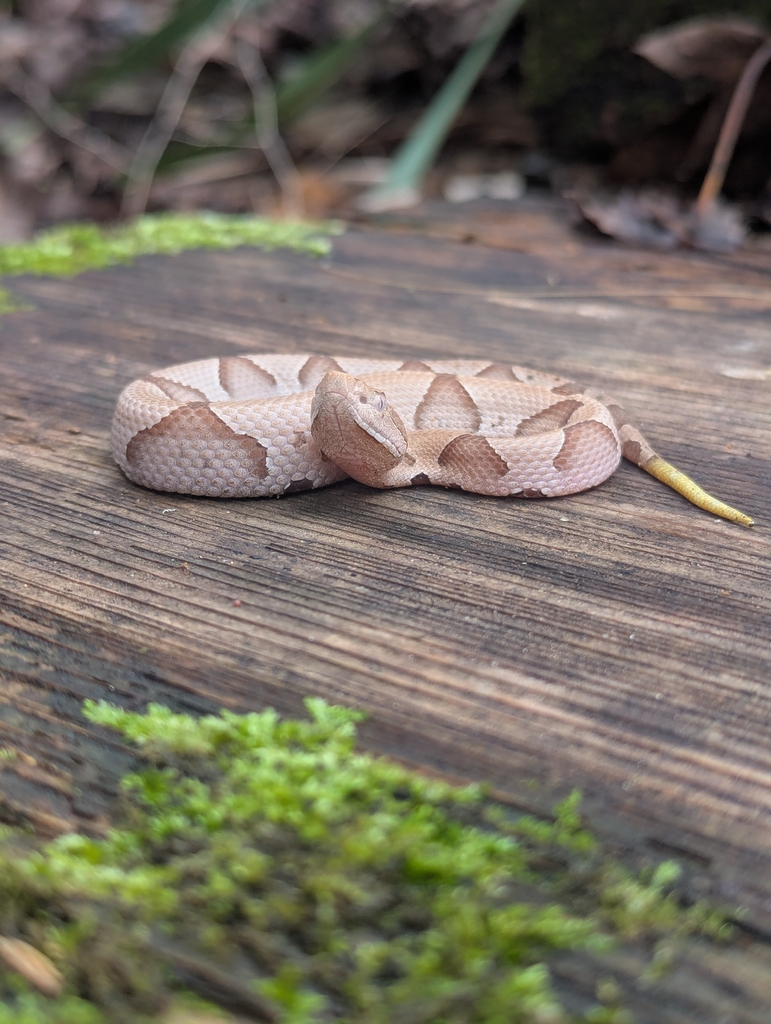
Lower your risk on the trail
Most bites are preventable with a few habits:
- Stay on the trail and wear closed boots and long pants in snake country.
- Watch where you step and where you put your hands; step on top of logs and rocks, not blindly over them.
- Do not reach into rock piles, crevices, or tall grass you cannot see into.
- Use a flashlight at night, when many snakes are active.
- Give any snake you see a wide berth and let it move off on its own.
- Hike with a companion and carry a charged phone so you can call for help if needed.
It also helps to know your terrain before you go. Snakes are most active in warm weather and tend to bask on open, sunny stretches of trail, rocks, and logs, and to shelter in shade during the hottest part of the day. A quick look at which venomous species live in the area sets your expectations and tells you what to watch for. The point is not to be afraid of the trail, but to move through it with a little awareness so a snake never has to choose between fleeing and biting.
A snakebite while hiking is a serious event, but a calm hiker who keeps the limb still, removes tight items, and gets to a hospital has every reason to expect a good outcome. For more on response, see our snakebite first aid guide, and learn which species share your trails through the venomous snakes hub and your county pages.