
Safety
How to Identify a Snake From a Photo (Safely)
Identify a snake from a photo the safe way: how to shoot from a distance, which features really matter, and how to use the identify tool and county pages.
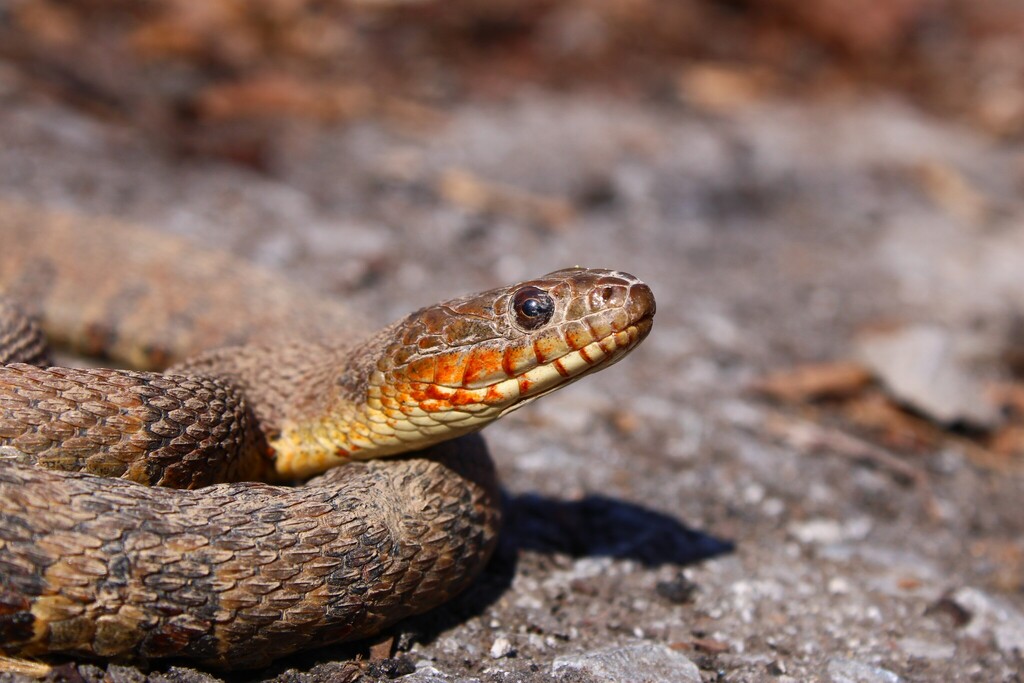
A clear photo is one of the safest ways to identify a snake, because it lets you study the animal long after it has moved on, without ever getting close. The key word is safe. A good identification is never worth a bite, so the goal is to capture useful detail from a distance and let the photo do the work.
How to take a safe photo
Distance first, always. Stay several body lengths back and use your phone's zoom rather than stepping closer. Brace your elbows or rest the phone on something steady so the zoomed shot is not blurry. Take several frames, and try to catch the snake from the side and from slightly above if you can do so without moving toward it. If the snake is leaving, let it; a partial photo is fine, and another encounter is not worth chasing.
Which features actually matter
Identification rests on a handful of details. When you review your photo, look for:
- Head shape and markings, though shape alone is not reliable since some harmless snakes flatten their heads to mimic vipers.
- Body pattern: stripes, blotches, bands, diamonds, or a plain color, and how those are arranged.
- Color and how it changes along the body.
- Tail features, such as a rattle, a sharply tapering tail, or a bright tail tip on some juveniles.
- Approximate size and body thickness relative to something in the frame.
- The setting, such as water, desert, forest, or grassland.
No single feature is foolproof. The strongest identification combines several of these clues together rather than relying on one.
Location is half the answer
Where you are narrows the field dramatically. Most areas have only a few venomous species, so knowing your county rules out the vast majority of look-alikes before you even study the photo. Note where and when you saw the snake, then check which species actually live there using our state and county browser. Pairing your photo with local range data is the single best way to reach a confident answer.
Use the identification tools
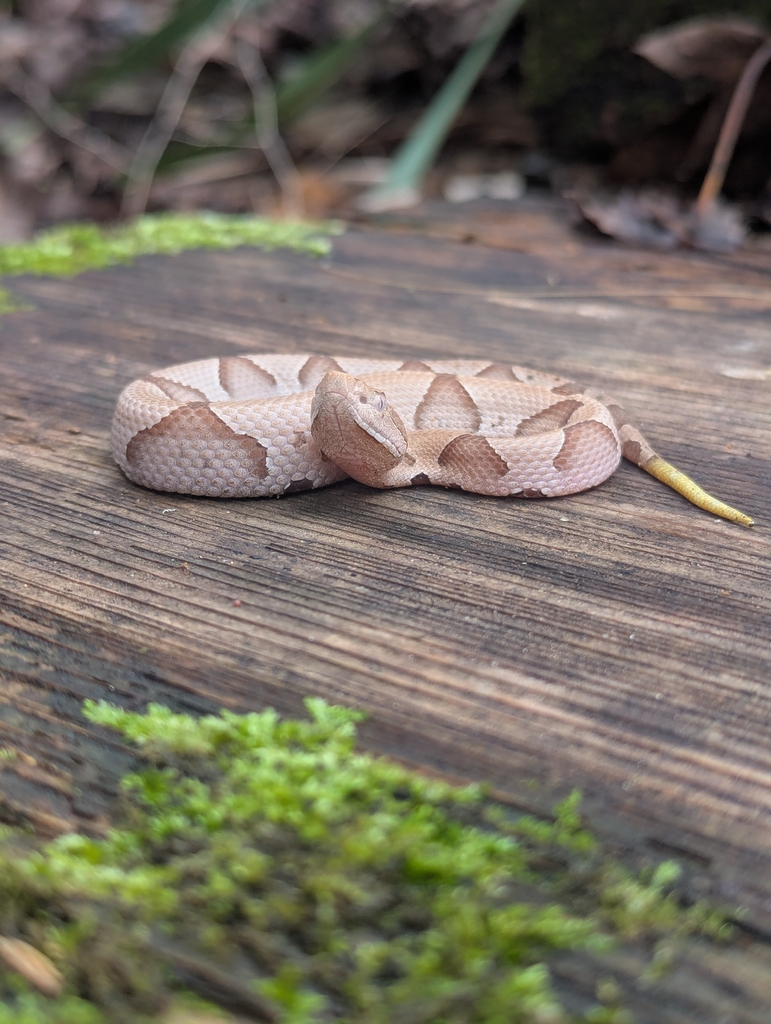
Once you have a photo and a location, put them to work. Our identification tool walks you through visible features to narrow down candidates, and the snake quiz helps you practice recognizing the key field marks. From there you can compare your snake against full species profiles in the species library and confirm against the venomous snakes hub for your region.
Common photo mistakes to avoid
A few habits sink otherwise useful photos. The biggest is getting too close, which is dangerous and rarely improves the shot once you account for zoom. Beyond safety, watch for these:
- Blurry frames from an unsteady hand at full zoom; take several and keep the sharpest.
- No sense of scale, which makes a small snake and a large one look identical.
- Harsh shadows or backlighting that hide the true color and pattern.
- Only a head shot, when the body pattern and tail are often more telling.
- Forgetting to record where and when you saw it, which is half the answer.
If your only photo is poor, that is fine. A rough identification plus a confident location is often enough to rule out the dangerous species, and you can always note details for next time. Never go back for a better angle.
Why careful identification matters
Most snakes people photograph are harmless, and many are killed simply because they were mistaken for something dangerous. Harmless watersnakes are confused with cottonmouths, and many smooth, slender species are mistaken for venomous ones. A calm look at a good photo, paired with local range data, usually reveals a harmless animal that is better left alone. If you genuinely cannot tell and the snake is somewhere it must be moved, contact a local wildlife professional rather than getting close.
A safe photo plus your location will identify the great majority of snakes you meet, with no risk to you or the animal. Zoom in, keep your distance, and let the tools and county data finish the job. Start with the identification tool, and learn the field marks in our guide on how to tell if a snake is venomous.