
Safety
Are Baby Snakes More Dangerous? What the Science Says
Are baby snakes more dangerous than adults? The popular claim that babies can't control their venom is a myth. Here is what the science actually shows.
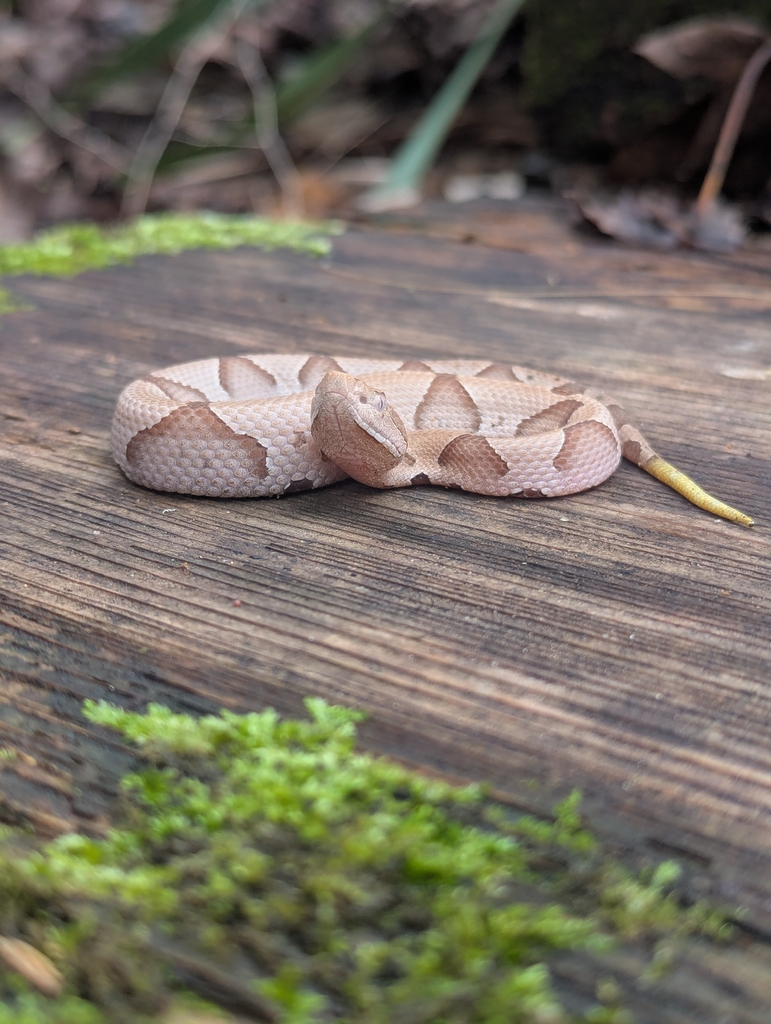
You have probably heard it stated as fact: baby venomous snakes are more dangerous than adults because they cannot control how much venom they inject. It sounds plausible, and it spreads easily. But the science does not support it. Adult snakes are the bigger threat, and treating a baby snake as more dangerous can lead to risky decisions.
Where the myth comes from
The claim has a tidy logic: a young snake is inexperienced, so it supposedly dumps all its venom in one panicked bite, while a wise adult meters out a smaller dose. People then conclude that a small snake is the one to fear. The story persists because it feels intuitive, not because it has held up to study.
What the science actually shows
Research on venom delivery tells a different story. Snakes, including young ones, can and do control their bites. They deliver dry bites with no venom, partial bites, and full bites depending on the situation. The idea that babies are physically unable to regulate venom is not supported by the evidence.
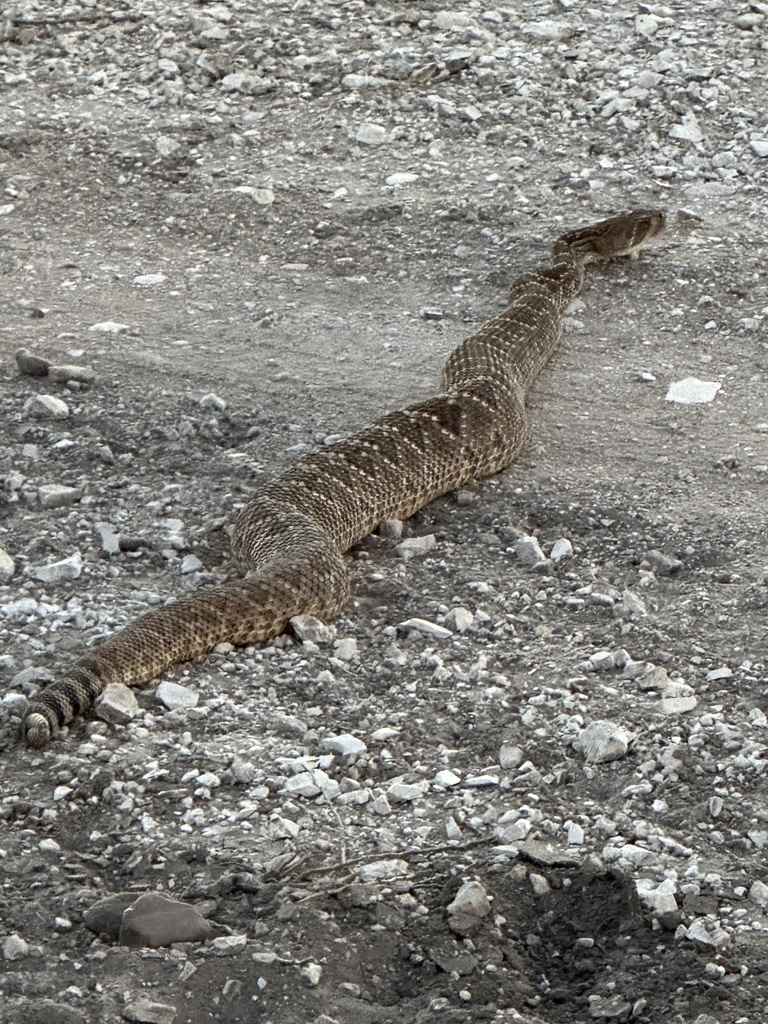
More importantly, the total amount of venom an animal carries scales with its size. An adult has far larger venom glands and longer fangs than a hatchling, so a serious adult bite can deliver many times more venom and inject it deeper. By the measure that matters most, the volume of venom that can actually reach you, adults are the greater danger.
Are baby snakes dangerous at all?
Yes, and this is the part worth taking seriously. A baby of a venomous species is venomous from birth and a bite still requires medical care. Hatchlings are also small, well camouflaged, and easy to step on or reach near without noticing, so they can surprise people. The right takeaway is not that babies are harmless, and not that they are super-venomous, but simply that every venomous snake deserves respect and distance, regardless of size.
What about the venom itself?
Some people argue that even if babies carry less venom, their venom is somehow more potent or more toxic drop for drop. The picture here is mixed and species-specific. In a few snakes, the chemistry of juvenile venom does differ from the adult version, often tuned to the different prey young snakes eat. But a difference in chemistry is not the same as being more dangerous to a person. What ultimately drives the severity of a bite is the total amount of venom delivered and how deeply it is injected, and on both counts a larger adult has the advantage. There is no good evidence that the average baby bite is worse for a human than the average adult bite.
It is also worth remembering that venom evolved to subdue prey, not to harm people, and a snake of any age would rather not waste it on something it cannot eat. That is why dry and partial bites happen at every life stage. None of this means a hatchling bite is trivial, only that the scary headline about uncontrolled baby venom does not hold up.
Telling young snakes apart
Identifying baby snakes is genuinely hard. Many look quite different from the adults of the same species, and harmless babies are often killed out of fear that they are venomous. For example, young copperheads and cottonmouths often have a bright yellow or greenish tail tip they use to lure prey, a feature adults lose. Because misidentification is so common, judge any snake from a safe distance and never handle one to get a closer look.
The safe bottom line
Whether a venomous snake is a hatchling or a full-grown adult, the safe response is identical:
- Give it space, at least several body lengths, and let it move off.
- Do not try to catch, handle, or kill it, no matter how small it looks.
- Identify from a distance using a zoomed-in photo, never up close.
- Treat any bite from a venomous species as a medical emergency.
Baby snakes are not more dangerous than adults; that is a myth. They are venomous, they deserve respect, and they are best left alone, exactly like the grown-ups. To learn how young snakes look and grow, see our baby snakes and eggs guide, and use the identification tool and county pages to learn the species near you.