
Living with snakes
Snake Season: When Are Snakes Most Active?
Snakes follow the temperature, not the calendar. Here is when snakes are most active by season and time of day, and how that shifts across the country.
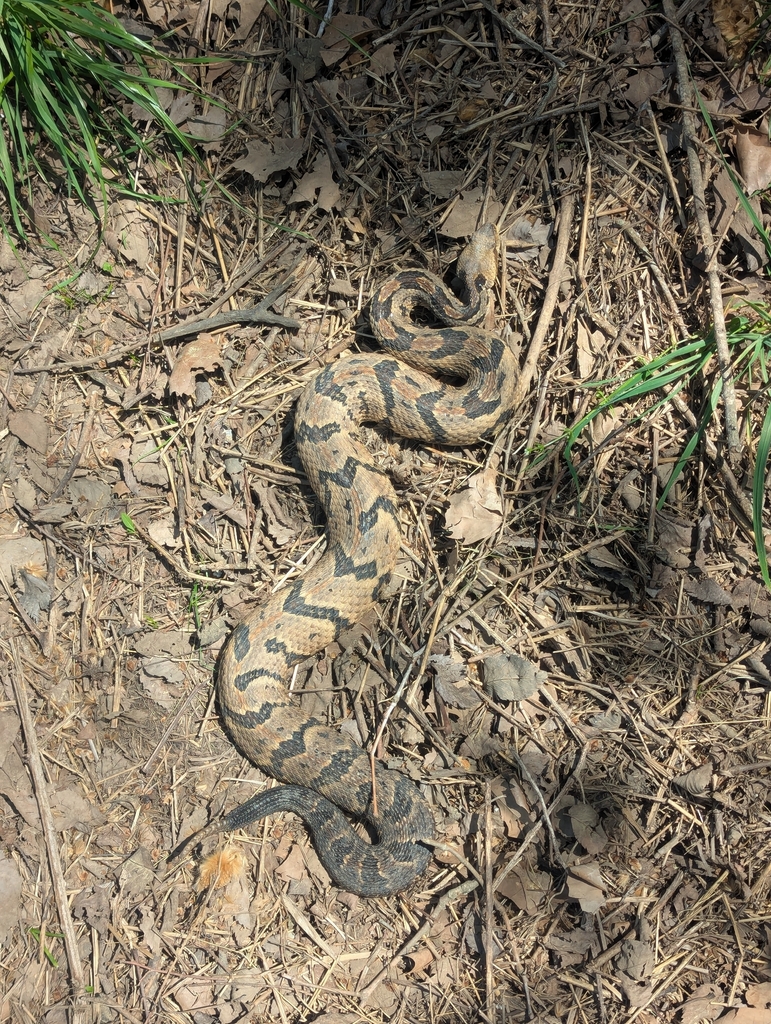
Snakes are ectotherms, which means they rely on outside heat to regulate their body temperature. That single fact explains nearly everything about when you will and will not see them. There is no fixed snake season nationwide; activity tracks temperature, so it shifts with the seasons, the time of day, and where you live.
Spring: emergence
As days warm in spring, snakes leave their winter shelters and become active again. In many regions this is one of the busier stretches for sightings, because snakes bask in the open to warm up and males move around in search of mates. Cool spring days can still send them back under cover quickly.
Summer: hot weather shifts the schedule
In the heat of summer, snakes are very active but often change their hours. When midday temperatures climb too high, many species avoid the heat and shift to dawn, dusk, and nighttime. So a quiet, hot afternoon does not mean the snakes are gone; they have simply moved their activity to cooler hours. In hot desert regions this nighttime pattern is especially strong.
Fall: a second surge
Autumn often brings another wave of sightings as snakes feed heavily and move toward winter shelter sites. Cooler weather pulls them back into daytime basking. This is a good season to be attentive on trails and around woodpiles and foundations.
Winter: dormancy, not true hibernation
In cold climates, snakes enter a dormant state called brumation, sheltering in burrows, rock crevices, and below the frost line. They are largely out of sight. In warm southern regions, though, snakes may stay active year round and emerge on any mild day, so winter is not a guarantee of zero encounters everywhere.
Time of day
- Mild spring and fall days: snakes favor warm midday basking spots.
- Hot summer days: activity shifts to early morning, evening, and night.
- After rain: many snakes move more, especially in warm, humid conditions.
Practical takeaway
Match your awareness to the conditions. Watch where you step and reach during warm-weather months, carry a light on summer evening walks, and stay alert near rocks, logs, and tall grass. To see which species are active in your area and when, look up your county on the state and county pages or browse the full species library.